Automotive Shop Essentials: Fluids and Fuels That Keep Bays Moving
Automotive shop supplies are the lifeblood of every dependable repair facility, whether it is a small community shop or a high-volume dealership bay. These items include everything from hand tools and diagnostic equipment to essential consumables such as wipes, rags, and protective gear. At the heart of daily operations, however, is a core collection of products that keep vehicles running and bays moving: fluids and fuels. Quality shop supplies enable technicians to diagnose, repair, and maintain vehicles without interruption.
Without steady access to key products—such as motor oil, antifreeze, brake fluid, and transmission fluid—a shop can quickly come to a halt. These products may not be glamorous or make headlines, but they are essential for profitability and reliability. Investing in high-quality automotive shop supplies supports customer satisfaction, repeat business, and a safer working environment. Forward-thinking shops optimize inventory utilization, forecast demand, and build strong supplier relationships to ensure vital fluids and fuels are never out of stock.
Why Motor Oil Is a Critical Inventory Priority for Automotive Shops
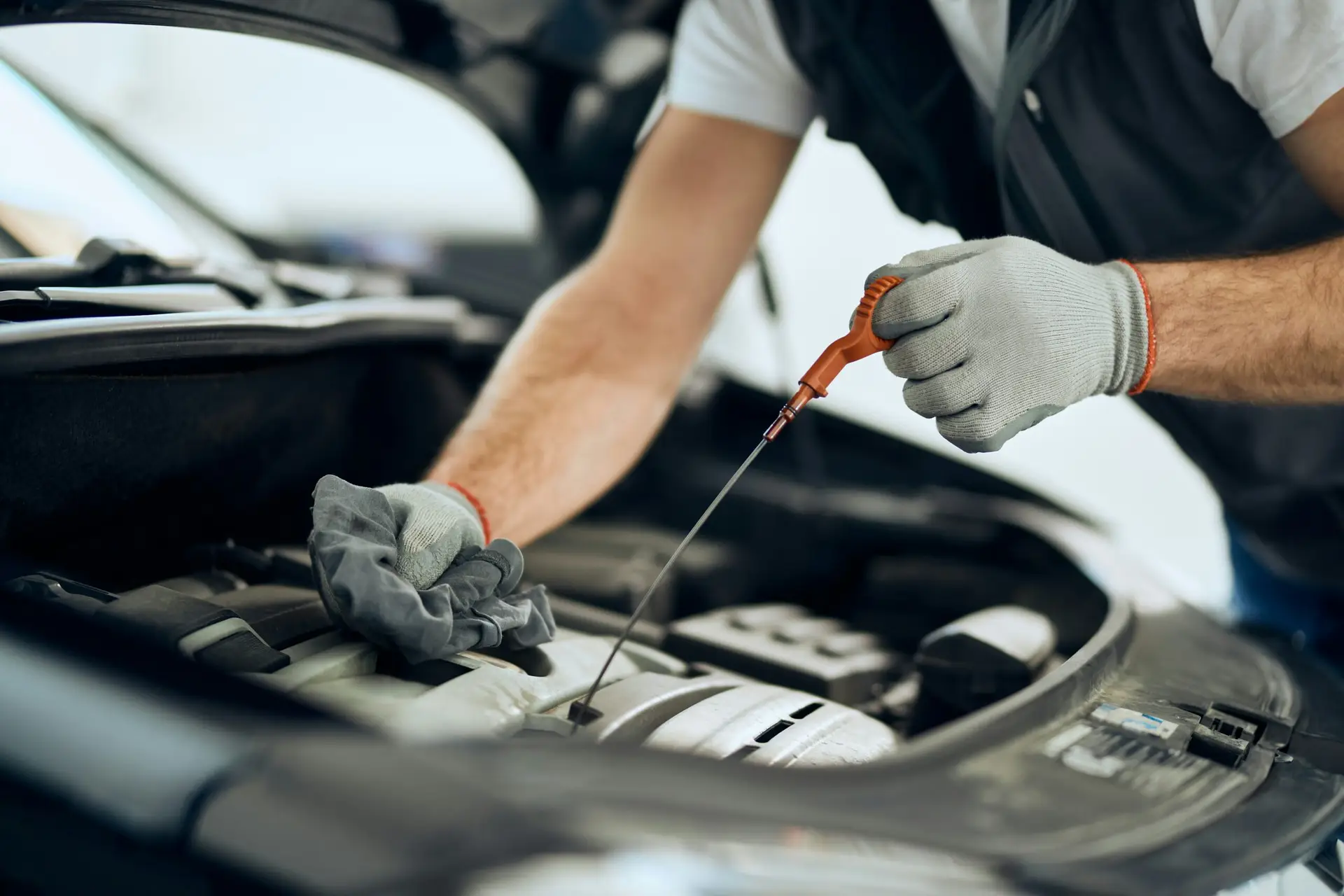
Motor oil is one of the most essential fluids in any automotive shop. It does more than lubricate—motor oil reduces friction, absorbs heat, resists corrosion, and helps keep engine parts clean.
Different vehicles require specific viscosities and specifications, and many modern engines need synthetic or semi-synthetic oil. A well-stocked shop carries common oils for domestic and import models and also keeps high-mileage and specialty grades on hand. Tracking oil usage helps shops understand customer needs and prevent costly stockouts.
Proper storage and handling are also vital. Containers should be labeled, sealed, and stored at the right temperatures to prevent damage from extreme conditions. Old or contaminated oil can harm engines, leading to customer dissatisfaction and warranty issues.
Antifreeze and Coolants: Protecting Engines in Every Season
Antifreeze, also called coolant, keeps engines running at safe temperatures year-round. While it is often associated with winter, coolant is important in every season. In cold weather, it prevents freezing in the cooling system; in hot weather, it raises the boiling point to prevent overheating.
Coolant also contains additives that protect internal components—like the radiator, water pump, and heater core—from corrosion and buildup. Common types include ethylene glycol, OAT (organic acid technology), and HOAT (hybrid organic acid technology), each suited to specific vehicle models.
Shop managers must know these differences to avoid costly mistakes. Using the wrong coolant can lead to expensive repairs and unhappy customers.
Keeping sufficient coolant inventory improves shop efficiency by enabling timely cooling system services. Proper disposal of used antifreeze is also required for compliance and environmental responsibility. Offering routine coolant flushes or inspections can extend vehicle life and generate consistent revenue.
Critical Safety Supplies Every Shop Must Stock
Transmission fluid and brake fluid are essential automotive safety components that play pivotal roles in vehicle protection and overall performance. Transmission fluid not only lubricates gears; it also cools components and provides hydraulic pressure for smooth shifting in automatic transmissions. Modern vehicles with continuously variable transmissions (CVTs) and dual-clutch transmissions often require specific formulations, making proper inventory management essential for efficient operations.
Brake fluid, meanwhile, operates in a demanding environment. Because it must withstand high temperatures without boiling, its performance directly affects braking effectiveness and overall safety. Most brake systems use DOT3, DOT4, or DOT5.1 fluids, each with unique performance requirements. Maintaining multiple fluid types in inventory allows a shop to serve a broader customer base without delay.
From a workflow perspective, having transmission and brake fluids readily available saves technicians time and supports consistent productivity. These fluids also require careful handling and disposal. Spills, contamination, or misapplication can slow operations and result in additional cleanup costs.


Fuel Additives & Stabilizers That Deliver Real Results
Fuel may not be visible on the shop shelf, but it remains one of the most vital automotive essentials. While most shops do not store gasoline or diesel on-site due to safety and regulatory restrictions, they can offer fuel additives and stabilizers that enhance engine performance and protect fuel systems. These products can be easily added to a vehicle’s tank, helping prevent gum buildup and improving octane or cetane ratings.
Fuel stabilizers are particularly important for vehicles that sit unused for extended periods, such as seasonal vehicles, recreational equipment, or fleet units. Stabilizers help prevent fuel degradation that can lead to starting problems and rough idling. Modern engines—especially those with direct injection and turbochargers—are especially sensitive to fuel quality.
Shops that understand how different fuels and additives interact can provide more comprehensive guidance and build customer trust. Integrating these products into routine maintenance services can also increase revenue while improving customer satisfaction.
Shop Products That Keep Repair Bays Moving
Beyond headline items like motor oil and antifreeze, numerous essential automotive shop products quietly contribute to every repair. Greases for chassis lubrication, sealants for gaskets and threads, and hydraulic fluids for power-steering systems are all part of the daily workflow in a busy bay. While these products may not make headlines, running out of a specific grease or sealant can delay a job and reduce productivity.
Technicians rely on having the correct product on hand, whether it is high-temperature wheel bearing grease or a silicone sealant for a complex gasket surface. These items contribute significantly to operational efficiency by reducing downtime and preventing temporary fixes that could compromise safety or require rework. Inventory systems that monitor usage trends and reorder points help shops maintain optimal stock levels without overstocking.
Inventory Management: The Key to Shop Efficiency
Efficient inventory management of automotive shop supplies is not just a convenience—it is a strategic advantage. When bays run out of essential fluids like motor oil or antifreeze, workflow slows, and technicians lose valuable time waiting for restocks. Modern inventory practices use software, bin tagging, and usage monitoring to anticipate demand and prevent shortages.
Shops that analyze their usage patterns can forecast demand more accurately, reducing excess inventory and improving cash flow. For example, tracking how frequently specific oil viscosities are used over a quarterly period enables smarter ordering that aligns with customer needs. Cross-training staff responsible for ordering and inventory management ensures there is no single point of failure in the supply chain.
Equally important is shop organization: separating fluids, fuels, and hazardous materials in accordance with safety guidelines prevents spills, contamination, and compliance issues.
Future Trends in Automotive Products
The automotive industry is evolving, and shop supplies must evolve with it. Electrification and advanced powertrains are changing fluid requirements, introducing new coolant and lubricant needs for electric and hybrid vehicles. At the same time, modern fuel formulations continue to advance for internal combustion engines, making product knowledge essential.
Integrating digital tools for inventory monitoring and predictive reordering improves efficiency and prevents stockouts, while sustainable practices—such as fluid recycling and reduced waste—are becoming increasingly important to customers and regulators. As technology advances, ongoing technician training remains critical. Shops that stay ahead of these trends will maintain top-tier service, optimize operations, and remain competitive in a rapidly changing market.