
Antifreeze FAQ: Everything You Need to Know

Antifreeze plays a critical role in keeping your engine running at the right temperature and ensuring reliable performance in any season. It’s a liquid additive mixed with water and circulated through the engine’s cooling system to prevent freezing in cold conditions and overheating in high-heat operations. Without it, water in the radiator can freeze in the winter or boil in the summer—leading to potential engine damage and costly downtime.

Antifreeze also includes corrosion inhibitors that protect metal components within the engine, radiator, and cooling system. These additives are essential for preserving the life of your equipment and avoiding premature wear.

One common point of confusion is the difference between “coolant” and “antifreeze.” While often used interchangeably, antifreeze is the concentrated solution that becomes coolant when diluted with water.

Whether you’re maintaining passenger vehicles or heavy-duty equipment, using the right antifreeze is a simple but powerful way to reduce risk, avoid breakdowns, and extend engine life. Run with Senergy—we’ll help you get it right.
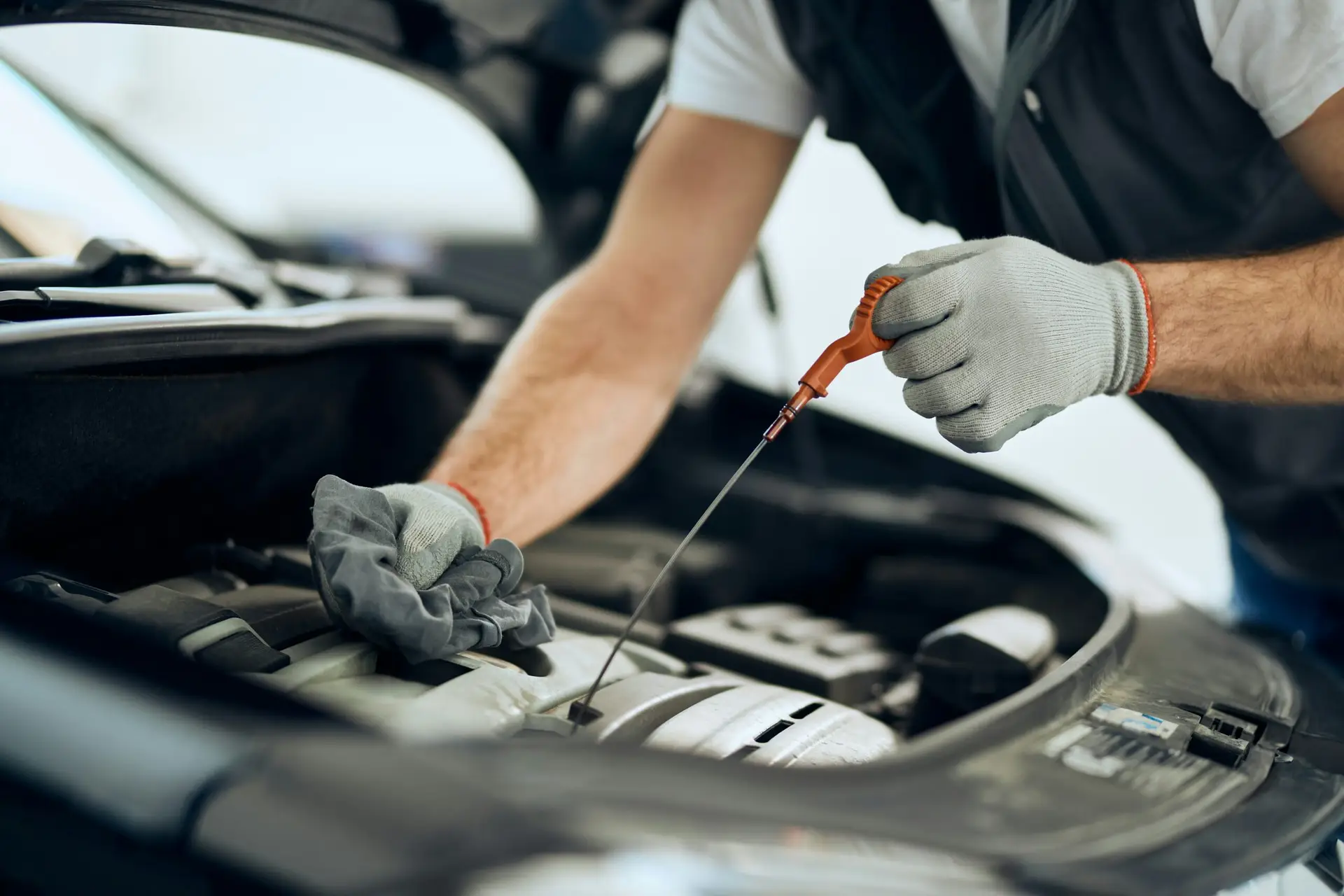
Understanding the Different Types of Antifreeze

Choosing the right antifreeze means knowing the types available and matching them to your equipment’s needs. The most common options include Inorganic Additive Technology (IAT), Organic Acid Technology (OAT), and Hybrid Organic Acid Technology (HOAT).

IAT coolant—typically green—works best for older vehicles but requires more frequent replacement due to its shorter lifespan. OAT coolant, often orange, red, or purple, suits modern engines and delivers long service life with strong corrosion protection. HOAT coolant combines the benefits of both IAT and OAT, often appearing yellow or turquoise, and supports a wider range of engine types while boosting overall system protection.

Mixing incompatible formulas without checking compatibility often leads to sludge, blockages, and system damage. To avoid these issues, consult your owner’s manual or equipment specifications and confirm the right product before topping off. Each formula targets specific engine materials and performance demands. Run with Senergy—we’ll help you make the right call.

How to Read Antifreeze Labels and Choose the Right Product

When you’re staring at shelves full of antifreeze options, the choices can feel overwhelming. That’s why knowing how to read the label matters.

Most antifreeze products are based on either ethylene glycol or propylene glycol. Ethylene glycol is more common and highly effective at heat transfer, while propylene glycol is considered a safer alternative but slightly less efficient.

Look for information on service life—many products are labeled as “long life” or “extended protection,” often rated up to 150,000 miles or five years. Certifications like ASTM D3306 (for passenger vehicles and light trucks) and ASTM D6210 (for heavy-duty engines) are key indicators of quality and application.

Also, check that the product matches your equipment type. While coolant color can offer a general guide, it’s not a reliable way to confirm compatibility. Many products include FAQs on the label or website to clarify usage questions. Always cross-check product specifications with your vehicle or equipment manual—cooling systems are not one-size-fits-all, and Senergy is here to help you get it right.

Common Antifreeze Myths That Could Cost You

Misinformation about coolant is more common than you’d think—and believing the wrong thing can lead to serious engine trouble. One of the most frequent questions we hear is, “Can I mix different antifreezes?” The answer is almost always no—unless the product specifically states it’s compatible with other formulas.

Another misconception: “If the coolant looks clean, does it still need to be changed?” Even if it appears fine, the protective additives inside coolant degrade over time. Visual inspection alone isn’t enough to judge its effectiveness.

Some drivers also ask if plain water can replace antifreeze in a pinch. While water can temporarily cool the engine, it doesn’t offer the protection needed against freezing, overheating, or corrosion.

Finally, don’t rely on color to determine compatibility. While it may be helpful in some cases, color is not a reliable indicator of chemical formulation. Always refer to your owner’s manual and product documentation before making a decision. Understanding the role of antifreeze and how it works helps you avoid breakdowns, protect your system, and keep your equipment running strong. Run with Senergy—we’ll help you get it right.
Why Routine Coolant Maintenance Matters

Routine maintenance of your cooling system is just as important as regular oil changes. How often antifreeze needs to be replaced depends on the type of coolant and your vehicle or equipment requirements. Traditional IAT coolant typically needs to be changed every 30,000 miles or 2 years, while longer-life OAT and HOAT coolants can last up to 150,000 miles or 5 years. Always refer to your owner’s manual for specific service intervals.

Coolant replacement involves draining the existing fluid, flushing the system with distilled water to remove rust and debris, and refilling it with a properly diluted antifreeze mixture. Most systems require a 50/50 blend of antifreeze and distilled water unless you’re using a pre-mixed product. Avoid using tap water, as it can introduce minerals that clog the system.

A clean, properly filled cooling system helps maintain optimal engine temperature and reduces the risk of unexpected breakdowns—especially during extreme operating conditions. Keep your equipment running strong with reliable coolant maintenance from Senergy.

Signs Your Antifreeze Needs Attention

Knowing when your antifreeze needs attention can help you avoid major engine issues. One of the most obvious signs is engine overheating—even when coolant levels appear normal—which could point to degraded coolant or internal blockages. A sweet, syrup-like smell from the engine bay often signals a coolant leak.

Discoloration—such as brown, rusty, or milky coolant—indicates contamination or chemical breakdown. Foamy or sludgy textures usually mean incompatible coolants have been mixed, which can damage your system. Dashboard warning lights—especially temperature or check engine indicators—should never be ignored.

Other warning signs include visible leaks under the vehicle or gurgling noises from the radiator or reservoir. These symptoms all point to coolant that’s no longer performing as it should. Promptly addressing them can help prevent serious issues like radiator corrosion or head gasket failure.

Regular system checks and asking the right questions during service visits will keep your cooling system in top shape—especially before seasonal temperature swings. Run with Senergy—we’ll make sure you’re ready for whatever’s next.

Why Coolant Compatibility Should Never Be Overlooked

Coolant compatibility is one of the most important—yet often misunderstood—aspects of antifreeze maintenance. With multiple technologies on the market, each containing different corrosion inhibitors and chemical bases, mixing the wrong types can lead to serious problems.

Incompatible coolants can react chemically, causing sludge, gelling, and blockages in the cooling system. This can restrict coolant flow and result in overheating, internal corrosion, or complete radiator failure. Even products labeled as “universal” should be used with caution.

Always confirm compatibility with your specific vehicle or equipment, including the engine materials (such as aluminum or copper). The best way to ensure the right match is by checking the owner’s manual or consulting with your service technician. Some manufacturers also provide coolant compatibility charts to make the selection process easier.

Choosing the right coolant doesn’t just protect your engine—it also helps maintain warranty coverage and avoids unnecessary repairs. Make coolant compatibility a priority during routine maintenance. Senergy can help you choose with confidence.

Choose the Right Antifreeze for How and Where You Operate

Your climate, workload, and driving habits all play a role in selecting the right antifreeze. Colder regions require strong cold-start protection, while hotter climates demand high boiling points and corrosion resistance. Whether you’re towing heavy loads, racking up highway miles, or navigating stop-and-go traffic, the right coolant keeps your engine protected and running smoothly.

Check your manufacturer’s recommendations and make antifreeze selection part of your performance plan. Run With Senergy—we’ll help you choose the right product for the job.

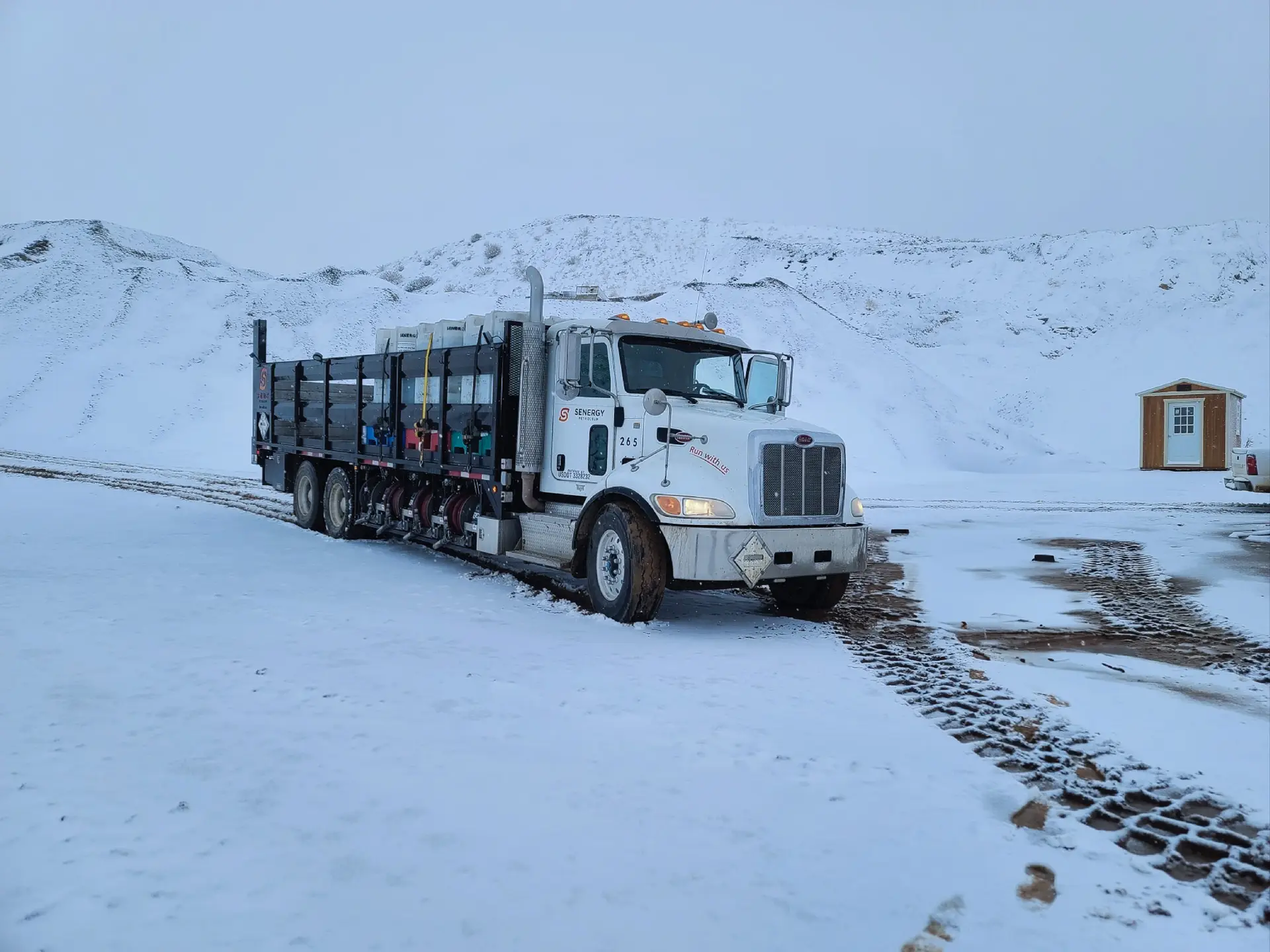
A senergy lubricants truck driving in the snow

Stay Up To Date!

Keep up with Deals, Industry Updates, and more!

"*" indicates required fields

This field is for validation purposes and should be left unchanged.