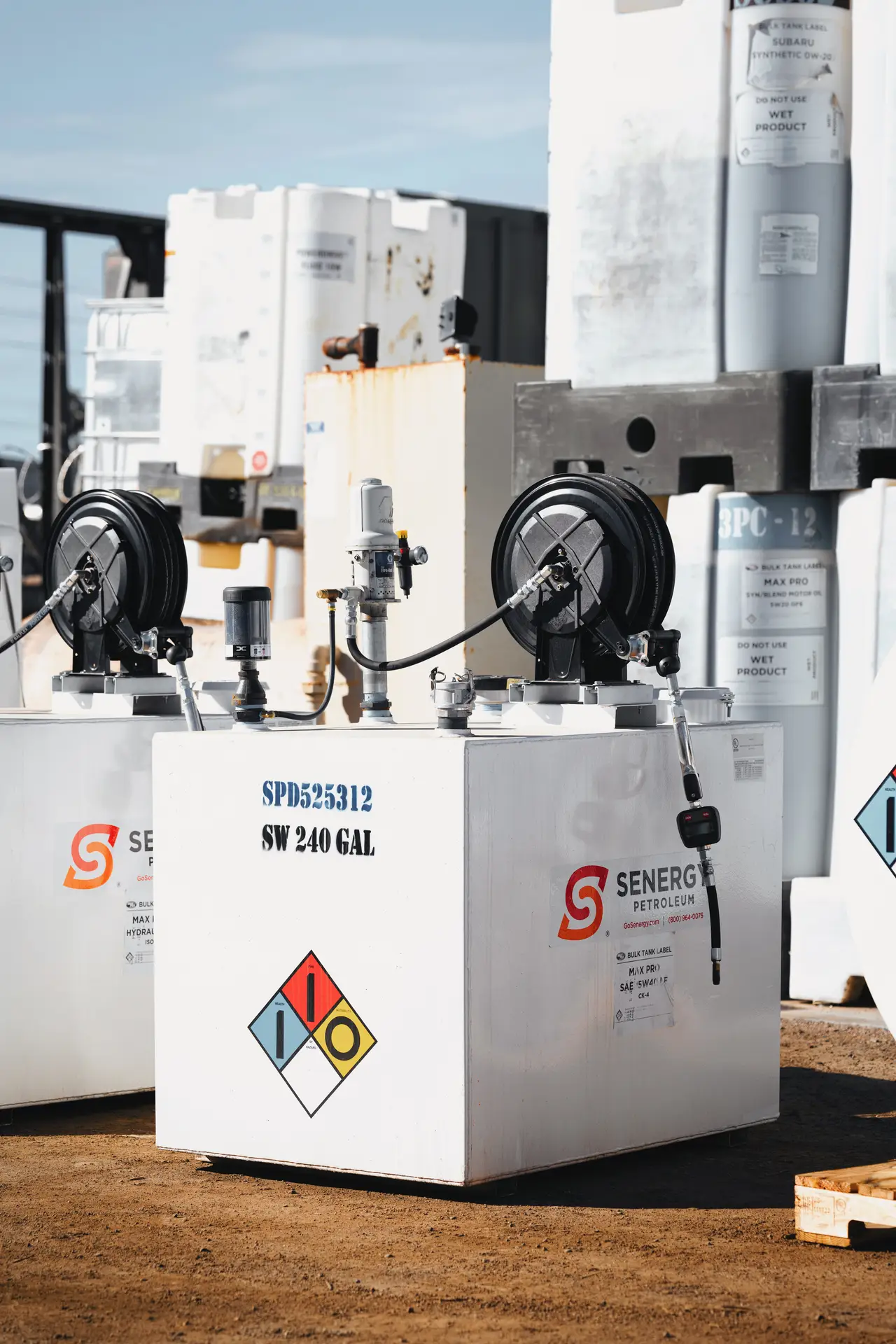
A Complete Guide to Fuel Tank Maintenance and Safety
When fuel flows consistently, it’s easy to overlook the steel tank sitting quietly in a plant or yard. Yet this equipment is both a critical asset and a potential operational risk. Poor tank maintenance can shorten equipment life, increase downtime, and lead to costly safety issues. Whether supporting a small fleet or operating large-capacity storage, tank condition directly affects operational efficiency, insurance exposure, and overall reliability.
Sludge, water, and microbial buildup don’t appear overnight—they accumulate slowly within the tank. Without a clear strategy for cleaning, inspection, and documentation, issues often go unnoticed until they escalate into expensive failures. Safety risks such as leaks, vapor accumulation, and inadequate venting can quickly turn a basic storage system into a serious hazard. A structured maintenance program transforms this risk profile by extending tank lifespan, ensuring clean fuel quality, and maintaining a safer operational environment for personnel.
Understanding the Hidden Risks in Fuel Storage Tanks
Effective tank maintenance starts with understanding the risks involved. Contamination is one of the most common issues affecting large tanks. Water can enter through condensation, loose fittings, uncapped openings, or improper delivery practices. Once inside, it settles at the bottom and creates conditions that support microbial growth. These organisms feed on hydrocarbons and generate sludge, which can clog filters, damage injectors, and reduce engine performance when uptime matters most.
Corrosion is another major concern. It typically develops when water accumulates at the bottom of the tank or around weld seams. External corrosion may also occur on tanks with inadequate coatings, standing water on the exterior surface, or soil contact in underground systems. If ignored, corrosion can lead to pinhole leaks, structural weakness, and even complete tank failure.
Leaks and spills pose additional operational risks. Even a slow, unnoticed leak can escalate into a significant maintenance and repair issue. A proactive inspection routine—inside, outside, and around the tank pad—is the most effective way to identify early warning signs and maintain safe, reliable fuel storage over the long term.
How to Build an Effective Fuel Tank Maintenance Program
A strong maintenance plan is more than a checklist—it is a complete management system. Start by documenting each tank’s location, capacity, type, age, construction materials, and any specialized features such as double walls or overfill alarms. From there, establish consistent maintenance intervals: daily or weekly visual checks by operators, monthly reviews of vents and fittings, and annual comprehensive assessments that include internal inspections when possible.
Clear ownership is essential. Each tank should be assigned to a responsible leader—typically an HSE or maintenance supervisor—to ensure accountability does not shift between departments. Operator training also plays a critical role. Teams should be prepared to identify early warning signs such as stained concrete, unusual fuel odors, damp areas, reduced dispenser flow, or frequent filter changes.
Maintenance processes should be fully integrated into standard operating procedures. Treat tank assets with the same priority as pumps or engines by scheduling inspections, filter changes, and tank cleaning based on defined intervals. Detailed documentation of completed work allows teams to identify trends over time—such as a specific tank requiring more frequent water drains—and adjust the overall fuel storage strategy before issues become urgent.
A Step-by-Step Guide to Fuel Tank Inspections
Effective tank inspections begin at the ground and follow a systematic approach. Start with the base and containment area: check that the concrete pad is in good condition, free of cracks, and properly sloped. Ensure spill containment areas and berms are clear, with no residual liquid. These conditions can reveal early signs of leaks before they are visible inside the tank.
Next, inspect the tank’s exterior. Look for blisters, rust, paint damage, dents, or wet spots. Examine seams, welds, manways, flanges, and gauges, and confirm that capacity labels and markings are accurate and legible to prevent operator errors. For above-ground bulk tanks, ensure ladders, platforms, and handrails are secure and slip-resistant.
Fittings and safety devices also require careful attention. Vents must remain clear, emergency vents must not be sealed, and overfill prevention devices should be tested per manufacturer guidelines. Inspect hoses and valves for cracks, scratches, or leaks, and regularly verify the operation of leak detection alarms and level gauges. Treating tank inspections as a routine procedure strengthens long-term fuel storage reliability and reduces operational risk.
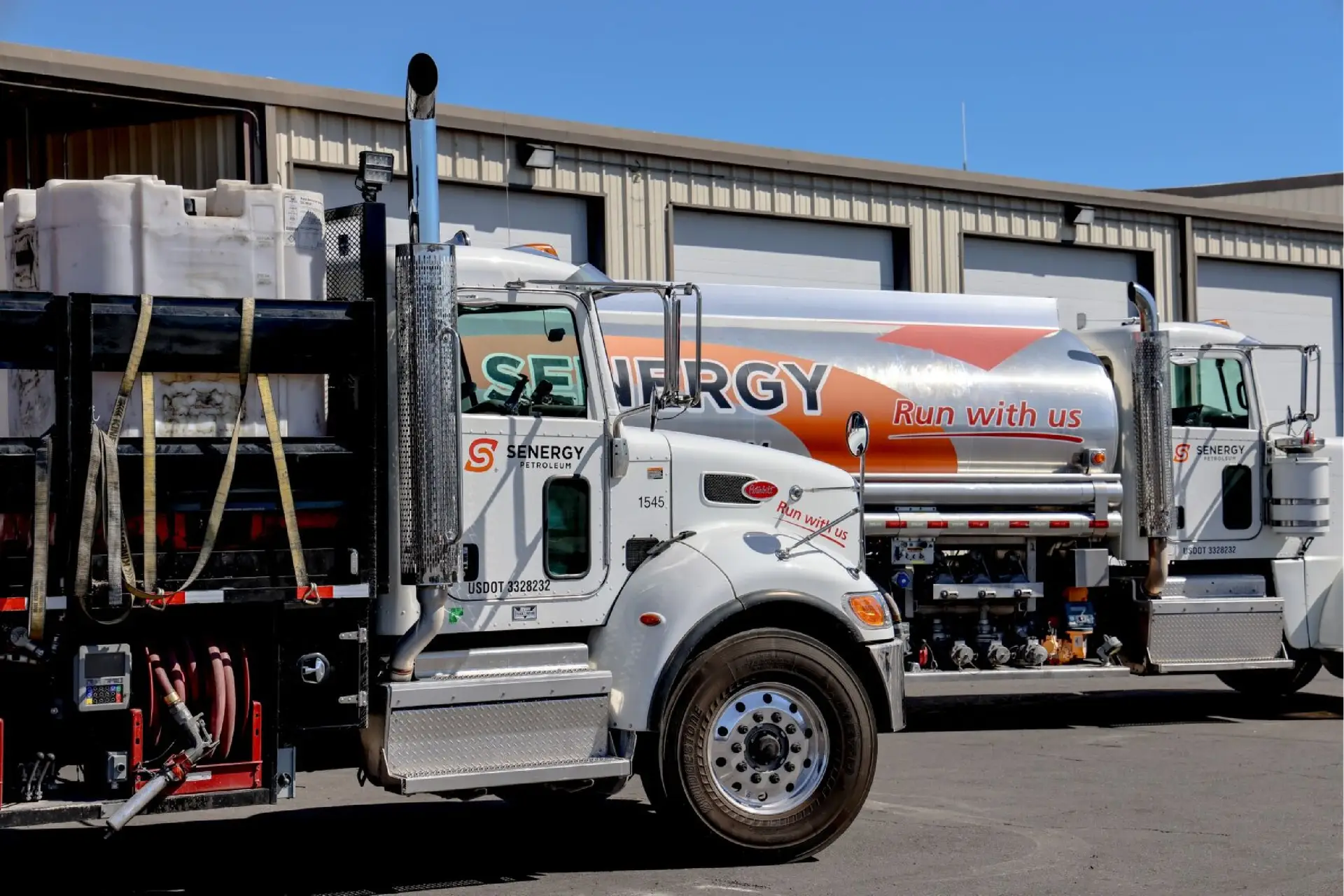
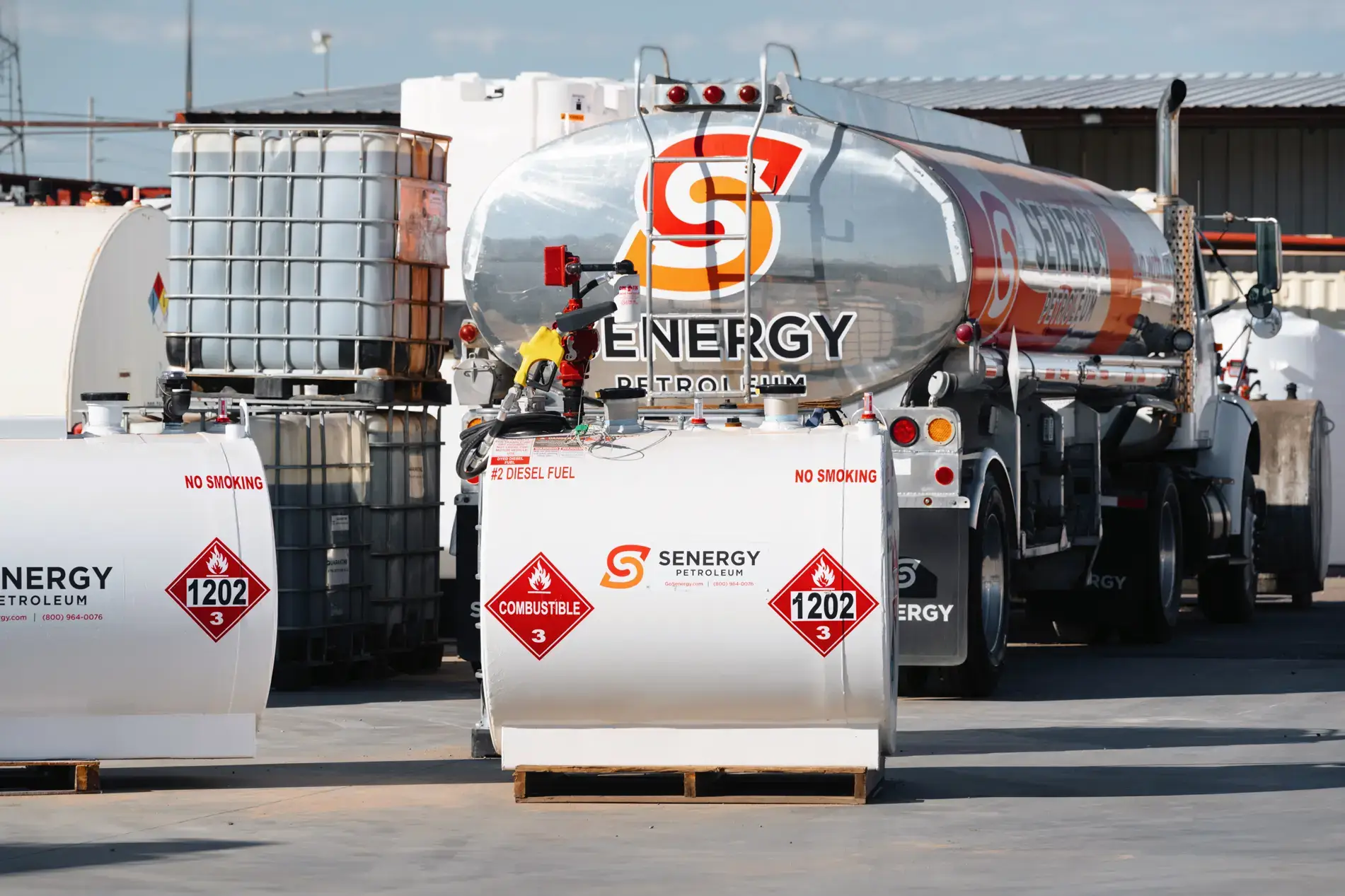
Controlling Water and Contamination in Fuel Tanks
Effective tank maintenance requires controlling water accumulation. Start by minimizing water entry: ensure fill valve caps seal properly and gaskets are intact. Verify water-control measures with the fuel supplier before loading. For large tanks exposed to significant temperature fluctuations, consider floating suction or insulated tanks to reduce condensation in the headspace.
Regularly drain water from sumps and low points. Many tanks include bottom drain valves that should be used on a scheduled basis, not only when issues arise. Taking routine fuel samples from both the top and bottom layers helps detect sludge or water buildup. If microbial growth occurs, biocides may be applied under professional guidance, though they do not replace effective water removal.
Filtration provides a second layer of defense. Use appropriately sized filters on dispensers and, where possible, on return lines within recirculation systems. Monitoring filter differential pressure alerts operators when contamination levels rise and signals when a more thorough tank cleaning is needed. Maintaining clean fuel not only protects equipment but also reflects a consistent, disciplined approach to tank maintenance and safe fuel storage practices.
Essential Safety Practices for Fuel Storage Tanks
The security of fuel storage tanks extends beyond physical protection—it depends on maintaining safe fuel handling practices. Proper ventilation is essential during fuel addition or removal. Vents that are incorrectly sized or blocked can create over-pressurization, vacuum conditions, or tank deformation, placing stress on welds and joints. Vents should comply with code requirements, be protected from debris or pests, and be checked during every tank inspection.
Bonding and grounding are critical for bulk tanks. Static electricity can accumulate during fuel transfer, especially at high flow rates and in dry conditions. Tanks must be properly grounded and bonded, and hoses on transport vehicles should also be bonded prior to fuel transfer or discharge to minimize the risk of sparks or static discharge.
Spill control completes the safety framework. Secondary containment—such as dikes, double-walled tanks, or spill pallets—should meet or exceed regulatory requirements, typically 110–125% of the largest tank’s volume. Spill kits, including absorbent materials and emergency tools, should be easily accessible and clearly labeled. Staff must be trained on kit use and reporting procedures following an incident. Together, these measures elevate tank maintenance from a mechanical routine to a comprehensive safety program.
The Importance of Documentation in Fuel Tank Maintenance
A fuel tank maintenance program is incomplete without thorough documentation. Insurance providers, regulators, and auditors all require evidence that tanks are managed responsibly. Maintain a separate record—digital or physical—for each tank, including installation and design documents, inspection reports, pre- and post-repair results, test outcomes, and permits.
Record each inspection with the date, inspector, findings, and corrective actions taken. Photograph problem areas and repairs, as these records can provide valuable evidence for future reference. When regulations mandate periodic pressure tests, integrity checks, or third-party certifications, schedule them proactively to avoid last-minute complications.
Inspections should be approached as opportunities to demonstrate a well-organized maintenance program. A clear and thorough record system shows that tank security is an integral part of operational management, not merely a compliance exercise. Any deficiencies identified can serve as actionable insights to strengthen the maintenance program over time.
When to Repair or Replace Fuel Tanks
Even with proper maintenance, tanks have a finite lifespan. The goal is to extend service life economically without compromising fuel storage safety. Use inspection records to identify patterns such as recurring damage, frequent leaks, or accelerated filter changes—these often signal underlying structural or design issues.
Minor problems like pitting, small weld cracks, or faulty coatings can typically be addressed by certified technicians. Retrofitting options include internal linings, upgraded vents and overfill systems, and improved gauges or leak detectors. For older tanks not meeting current standards, retrofits can bridge the gap before replacement.
If wall-thickness tests show significant loss or repeated leaks persist, replacement is the safest solution. Modern tanks feature double walls, advanced coatings, and precise monitoring systems, simplifying future maintenance. Making timely, data-driven decisions helps protect fuel quality, personnel, and overall operations.