
What Businesses Should Know About DEF Equipment Compatibility
Businesses operating diesel-powered trucks, construction machinery, and commercial fleets depend on reliable equipment to manage Diesel Exhaust Fluid (DEF). From storage tanks to dispensing pumps, every component plays a role in keeping the fluid clean and ready for use. Choosing suitable equipment helps prevent contamination, reduce maintenance issues, and support the proper operation of modern diesel engines.
However, not all fluid-handling equipment is designed for DEF. Materials that work well with diesel fuel or other industrial fluids may not be suitable for this application. Understanding DEF equipment compatibility allows businesses to make informed purchasing decisions, protect their equipment, and maintain reliable day-to-day operations.
Overview
- Choose DEF-compatible storage and dispensing equipment.
- Prevent contamination through proper handling and cleaning.
- Inspect pumps, hoses, tanks, and seals regularly.
- Follow recommended storage and temperature guidelines.
- Maintain equipment to reduce downtime and operating costs.
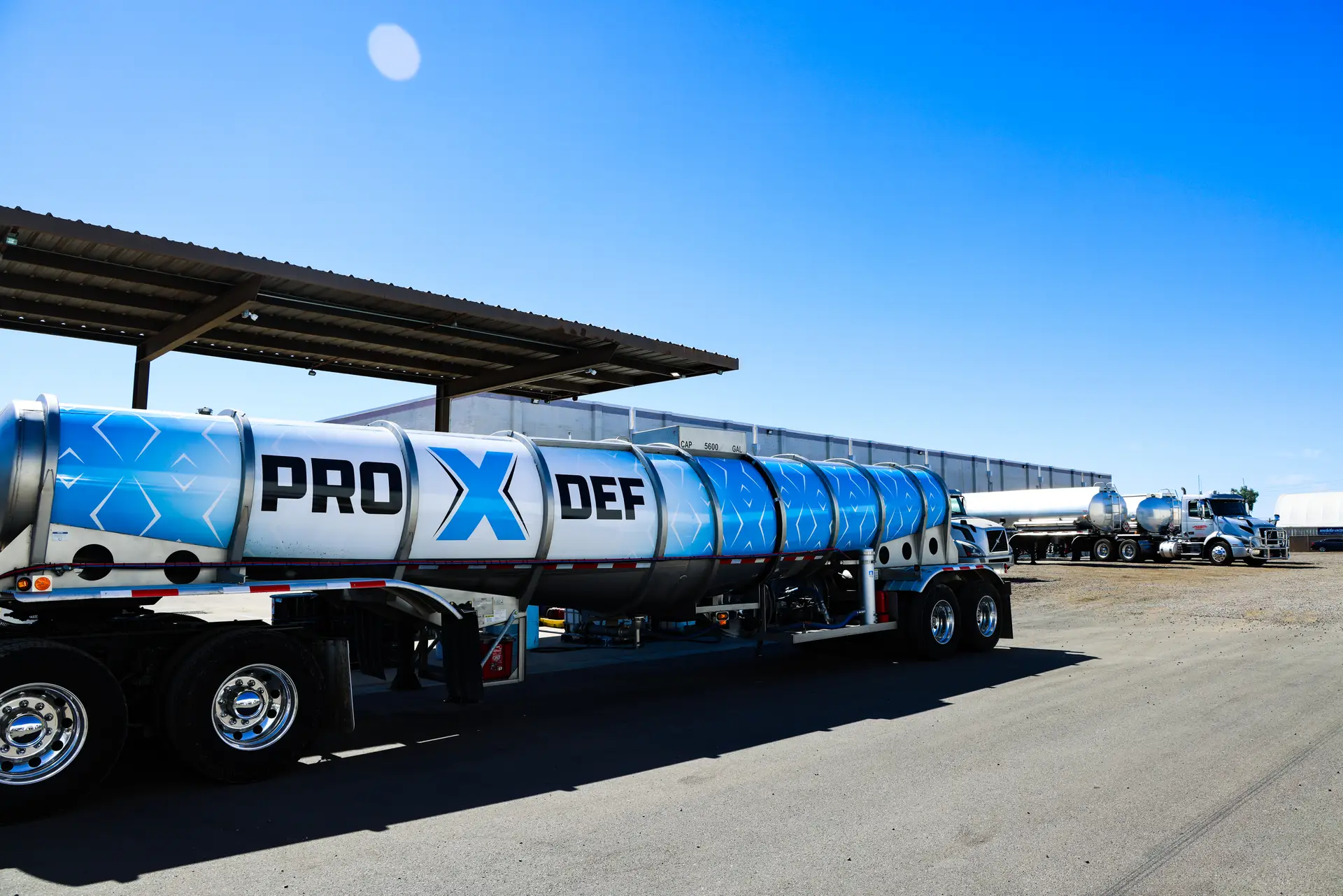
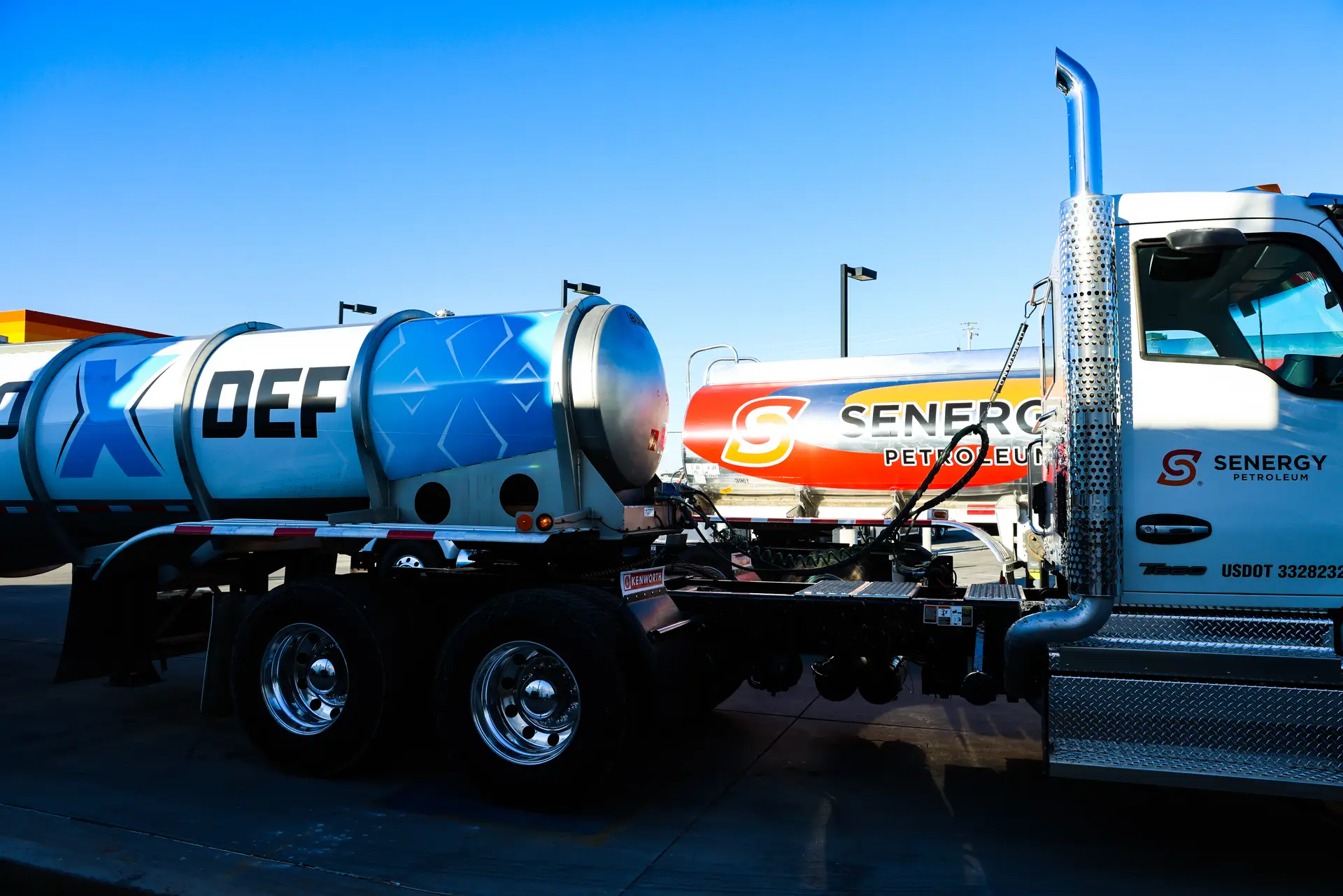
Why DEF Equipment Compatibility Matters
Modern diesel engines use Selective Catalytic Reduction (SCR) technology to reduce nitrogen oxide emissions. This system relies on a consistent supply of clean Diesel Exhaust Fluid to support the emissions control process. Since the fluid has specific handling requirements, businesses must use equipment designed to store and transfer it safely.
Using unsuitable equipment can introduce dirt, metal particles, or traces of other fluids into the DEF supply. Contamination may affect the performance of the SCR system and contribute to maintenance problems. Damaged hoses, leaking connections, and worn seals can also interrupt regular refilling and create avoidable operating expenses.
For trucking companies, construction businesses, and agricultural operations, equipment problems can disrupt daily schedules. Suitable DEF dispensing solutions help maintain clean fluid transfer while making refilling more convenient. Investing in appropriate equipment from the beginning can reduce unnecessary repairs and help businesses maintain consistent operations.
Choosing the Right Materials for DEF Equipment
Material selection is an important part of setting up a dependable DEF storage and dispensing system. High-density polyethylene (HDPE) and polypropylene are commonly used in suitable storage containers and equipment components. Approved stainless steel grades, including 304 and 316, are also used in certain applications because of their resistance to corrosion.
Hoses, seals, and gaskets require the same level of attention. EPDM rubber is commonly used in DEF-compatible hoses and sealing components, while PTFE is found in certain fluid-contact applications. Businesses should confirm that each material is approved for its intended use rather than assuming that every product made from a particular material is suitable.
Before purchasing equipment, review the manufacturer’s specifications for all components that come into contact with the fluid. This includes pump housings, internal seals, connectors, filter media, and dispensing nozzles. Checking the complete assembly helps maintain DEF equipment compatibility and prevent leaks, material breakdown, and contamination during regular use.
Common Equipment Used for DEF Storage and Dispensing
Businesses have different storage requirements depending on fleet size, daily consumption, and available space. Smaller operations may use drums or portable containers, while larger facilities often install stationary storage tanks or intermediate bulk containers (IBCs). Selecting the right capacity helps ensure that enough fluid is available without creating unnecessary storage costs.
Pumps move DEF from storage containers into vehicle tanks, while hoses and dispensing nozzles provide controlled delivery. Some commercial systems also include meters to monitor fluid usage and filters to help remove unwanted particles. Each component should be designed for DEF service to maintain a clean and reliable transfer process.
Modern diesel exhaust fluid systems are available in different configurations to suit commercial requirements. A small fleet may need a basic pump and dispensing setup, whereas a busy trucking terminal could benefit from a larger storage and distribution system. Reliable DEF dispensing solutions should match the facility’s flow requirements, storage capacity, and daily refilling needs.
Proper Storage and Handling Practices
Keeping DEF clean starts with proper storage. Tanks and containers should remain closed when not in use to prevent dust, dirt, and moisture from entering the supply. Businesses should also use dedicated pumps, hoses, and dispensing equipment instead of sharing tools with diesel fuel or other fluids.
Temperature management is another important consideration. DEF freezes at approximately 12°F (-11°C), which can create challenges for businesses operating in colder parts of the United States. Suitable storage arrangements, insulation, or approved heating systems can help maintain access during winter. Once thawed, DEF can generally be used if it has been stored and handled correctly and its quality has not been compromised.
Businesses should also follow supplier recommendations for storage conditions and shelf life. Exposure to prolonged heat and direct sunlight can shorten the fluid’s usable storage period. Keeping track of delivery dates and using older inventory first helps reduce waste. Regular checks of tanks, dispensing areas, and connections can also identify potential problems before they affect diesel exhaust fluid systems.
Common DEF Equipment Problems Businesses Should Avoid
Using equipment designed for other fluids is one of the most common mistakes in DEF handling. Standard fuel pumps, unsuitable metal fittings, and incompatible hoses may introduce contaminants into the supply. Equipment that has previously handled diesel or other products can also contain residues that affect fluid quality. Dedicated equipment helps reduce these risks.
Poor maintenance can cause additional problems. Worn seals may lead to leaks, while damaged hoses and loose fittings can make dispensing difficult. DEF may also leave white crystalline deposits when small amounts dry around nozzles and connections. Regular cleaning and inspection help prevent buildup from interfering with equipment performance.
Businesses should also avoid selecting equipment based only on its purchase price. A pump with insufficient capacity may slow down refilling at a busy facility, while an oversized storage system may increase costs for smaller operations. Considering actual consumption, operating conditions, and maintenance needs helps businesses choose DEF dispensing solutions that support their daily requirements.
Maintaining DEF Equipment for Long-Term Performance
Regular maintenance keeps storage and dispensing equipment in good working condition. Businesses should inspect tanks, pumps, hoses, and nozzles for visible damage, leaks, and signs of wear. Connections should remain secure, and dispensing areas should be kept clean to reduce the risk of contamination.
Cleaning procedures should follow the equipment manufacturer’s instructions. Unapproved cleaning products may leave residues that affect fluid quality, so businesses should use recommended cleaning methods and suitable water where required. Filters, seals, and other replaceable components should also be checked and serviced according to the manufacturer’s schedule.
For larger fleets, maintaining basic service records can make equipment management easier. Recording inspections, repairs, and component replacements helps identify recurring issues and plan maintenance before equipment fails. By prioritizing DEF equipment compatibility, investing in dependable diesel exhaust fluid systems, and maintaining suitable DEF dispensing solutions, businesses can control operating expenses and support the continued performance of their diesel-powered vehicles. For a reliable supply, businesses can explore Diesel Exhaust Fluid for their commercial requirements.