
What Is Fuel Polishing, and When Does Stored Fuel Need It?
Diesel fuel is commonly stored for backup generators, commercial fleets, construction equipment, and industrial operations. Keeping fuel on-site helps businesses maintain a reliable supply when they need it. However, diesel does not always remain in good condition during extended storage. Water, dirt, rust, and other contaminants can gradually collect inside storage tanks and affect fuel quality.
Fuel polishing is a filtration process that removes water and suspended contaminants from stored diesel. It helps maintain fuel cleanliness and reduces the risk of equipment problems caused by contaminated fuel. Understanding how fuel polishing works, why diesel becomes contaminated, and when treatment may be necessary can help businesses protect their equipment and improve their Stored fuel maintenance practices.
Overview
- Fuel polishing removes water and contaminants from stored diesel.
- Water contamination can damage fuel quality and equipment.
- Regular testing identifies when fuel treatment is needed.
- Proper tank cleaning and maintenance help prevent contamination.

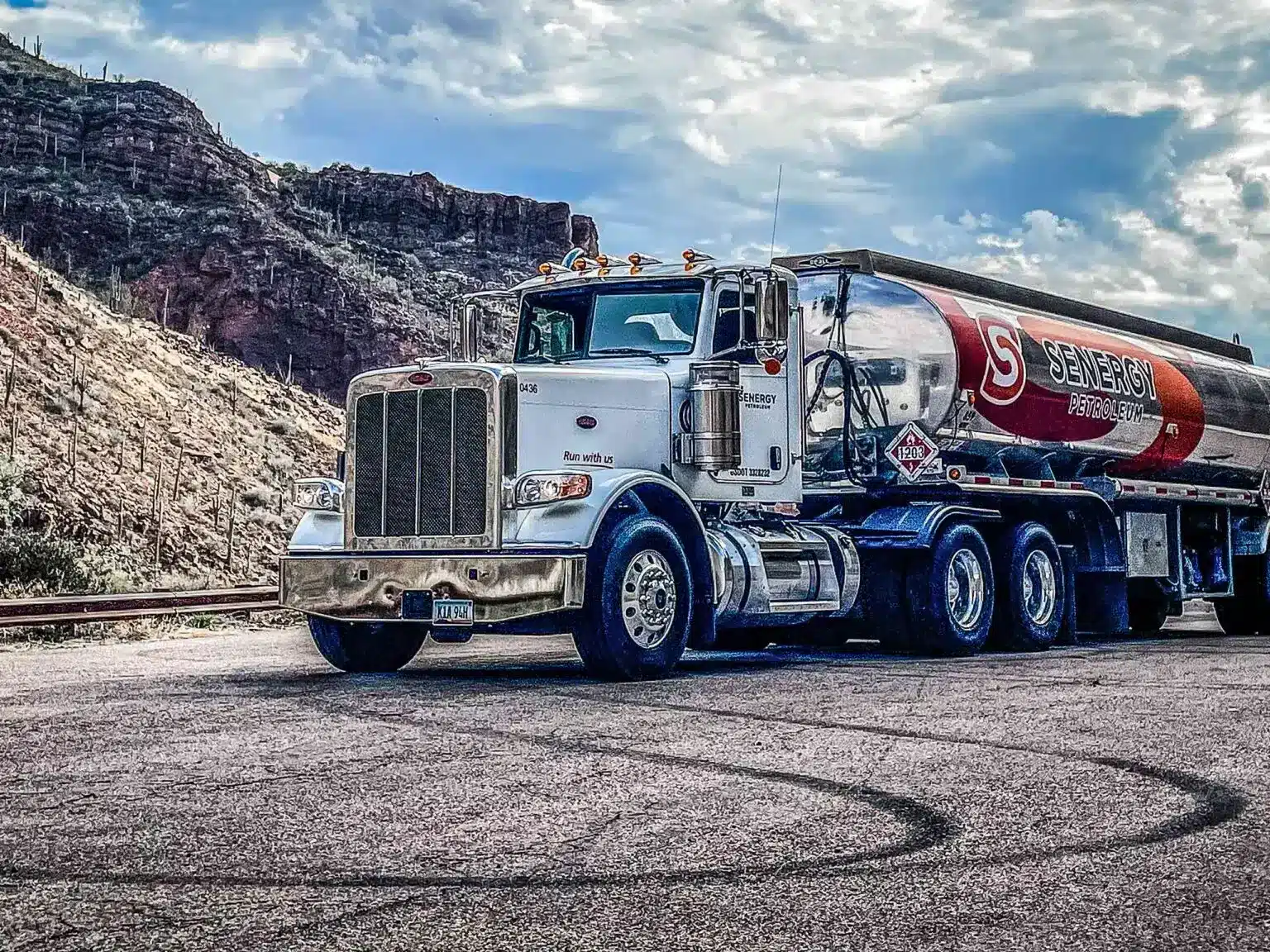
What Is Fuel Polishing?
Fuel polishing is the process of circulating stored diesel through specialized filtration equipment to remove unwanted materials. These may include water, dirt, rust, sediment, sludge, and other particles that accumulate inside a storage tank. Unlike ordinary engine filtration, which cleans fuel as it enters equipment, Fuel polishing treats diesel that is already being stored.
A typical system uses pumps, water separators, and filters to move fuel through several cleaning stages. Water separators remove free water, while filters capture suspended particles of different sizes. Some systems use multiple filtration stages to achieve the cleanliness level required for a particular application. The equipment and filtration method depend on the tank size, fuel condition, and intended use.
The process can help maintain usable diesel and reduce the likelihood of contamination-related equipment issues. However, it does not correct every type of fuel deterioration. Businesses may also evaluate suitable Cleaning Fluid Solutions and other cleaning methods when contamination affects the storage tank itself. Fuel testing helps determine whether filtration is sufficient or whether additional treatment, tank cleaning, or fuel replacement is necessary.
Why Does Stored Diesel Fuel Become Contaminated?
Water is one of the most common causes of diesel contamination. Temperature changes can cause condensation to form inside storage tanks, allowing moisture to collect at the bottom. Water may also enter through damaged seals, loose tank covers, faulty vents, or openings exposed to rain. Water contamination can contribute to corrosion, encourage microbial growth, and create conditions that affect fuel quality.
Dirt, dust, rust, and sediment can enter tanks during fuel delivery, transportation, or routine handling. Over time, these materials may settle at the bottom or remain suspended in the fuel. Microorganisms, including bacteria and fungi, can also develop where water and diesel meet. Their growth may produce deposits commonly associated with diesel bug contamination, contributing to sludge formation and clogged filters.
Fuel can also deteriorate through oxidation during extended storage. This chemical process may lead to the formation of gums, sediment, and other insoluble materials. The rate of deterioration depends on storage conditions, fuel quality, temperature, and the presence of contaminants. Effective Stored fuel maintenance helps identify these issues early and reduces the risk of long-term fuel quality problems.
How Does the Fuel Polishing Process Work?
The process generally begins with an inspection of the storage tank and an assessment of the fuel. A sample may be collected to check for visible water, sediment, cloudiness, or discoloration. When fuel has been stored for a long time or shows signs of deterioration, laboratory testing can provide more detailed information about its condition. Identifying Water contamination and other impurities helps determine the most appropriate treatment method.
After the assessment, filtration equipment is connected to the tank. Pumps circulate the stored diesel through water separators and filtration units. The separators remove free water, while filters capture suspended particles such as dirt, rust, and sludge. Depending on the level of contamination, the fuel may need to pass through multiple filtration stages or circulate through the system more than once.
Once the treatment is complete, the filtered diesel is returned to the storage tank. Additional sampling and testing can help determine whether the process has achieved the required fuel quality. In some situations, specialized Cleaning Fluid Solutions may be considered as part of a broader tank-cleaning procedure, depending on the type of deposits and the tank manufacturer’s recommendations.
It is important to understand that fuel polishing and tank cleaning are not the same. Filtration treats contaminants present in the fuel, but it may not remove deposits or microbial material attached to the tank walls and bottom. Physical tank cleaning may therefore be necessary when contamination remains inside the storage system.
What Are the Signs That Stored Fuel Needs Polishing?
Changes in fuel appearance can provide early indications of contamination. Cloudy or hazy diesel, visible water, dark deposits, and sediment in a sample container may suggest that the fuel needs further inspection. Water collecting at the bottom of a storage tank is another warning sign that should not be ignored.
Repeatedly clogged fuel filters can also indicate a problem. When dirt, sludge, or microbial deposits move through the fuel system, they can restrict fuel flow and reduce the amount of diesel reaching the engine. This may affect generators, trucks, tractors, and industrial equipment. Equipment may become difficult to start, run irregularly, lose power, or shut down unexpectedly.
However, these symptoms do not automatically mean that the fuel is contaminated. Mechanical, electrical, and maintenance-related faults can cause similar problems. Fuel sampling and testing can help identify the actual cause and determine whether Fuel polishing or another corrective measure is appropriate. Addressing signs of Water contamination early can also help prevent further deterioration and reduce avoidable equipment interruptions.
When Should Stored Diesel Fuel Be Polished?
The need for fuel polishing depends on storage duration, tank condition, environmental conditions, and the quality of the stored diesel. Fuel kept for extended periods may require closer monitoring, particularly when tanks experience temperature changes or are exposed to moisture. Storage tanks used for backup generators deserve particular attention because their fuel may remain unused for long periods before an emergency occurs.
There is no single treatment schedule that applies to every diesel storage tank. The appropriate maintenance frequency depends on factors such as tank design, fuel turnover, storage environment, and previous contamination. Regular inspections and fuel testing provide a more reliable basis for deciding when treatment is necessary than following an arbitrary schedule.
Fuel polishing may be appropriate when testing identifies excessive water or suspended particles that can be removed through filtration. However, heavily contaminated tanks may require physical cleaning to remove sludge and deposits attached to internal surfaces. If diesel has undergone significant chemical degradation, filtration alone may not restore it to a suitable condition. In some cases, replacing the fuel is the safer option.
Businesses should follow applicable fuel-quality requirements and equipment manufacturer recommendations. A planned Stored fuel maintenance schedule, supported by regular testing, can help identify problems before they affect equipment performance.
How Can Businesses Prevent Fuel Contamination?
Preventing contamination begins with maintaining the storage tank and limiting the entry of water and dirt. Tank covers, seals, vents, fittings, and connections should be inspected regularly for damage or leaks. Storage areas should also be kept clean, and fuel should be handled carefully during delivery and transfer.
Checking for accumulated water and sediment is another important part of routine maintenance. Removing collected water before it encourages corrosion or microbial growth can help reduce the risk of further contamination. Businesses should also monitor tank conditions after significant temperature changes or periods of heavy rainfall.
A consistent Stored fuel maintenance routine should include fuel sampling, tank inspections, filter checks, and appropriate testing. Keeping records of fuel deliveries, inspection dates, test results, and previous treatment can help identify recurring problems. When necessary, businesses can assess suitable cleaning methods alongside filtration to address contamination within the tank.
Regular inspections and timely Fuel polishing can help maintain fuel cleanliness when testing indicates that treatment is needed. Paying attention to Water contamination, following proper storage practices, and addressing deposits promptly can reduce the likelihood of fuel-related equipment problems.
Ultimately, maintaining stored diesel requires more than occasional filtration. Fuel polishing is one part of an effective storage maintenance program, while appropriate tank cleaning and suitable Cleaning Fluid Solutions may be relevant when deposits affect internal tank surfaces. Consistent monitoring, proper storage conditions, and timely testing help businesses maintain fuel quality, protect equipment, and reduce the risk of unexpected operating interruptions.