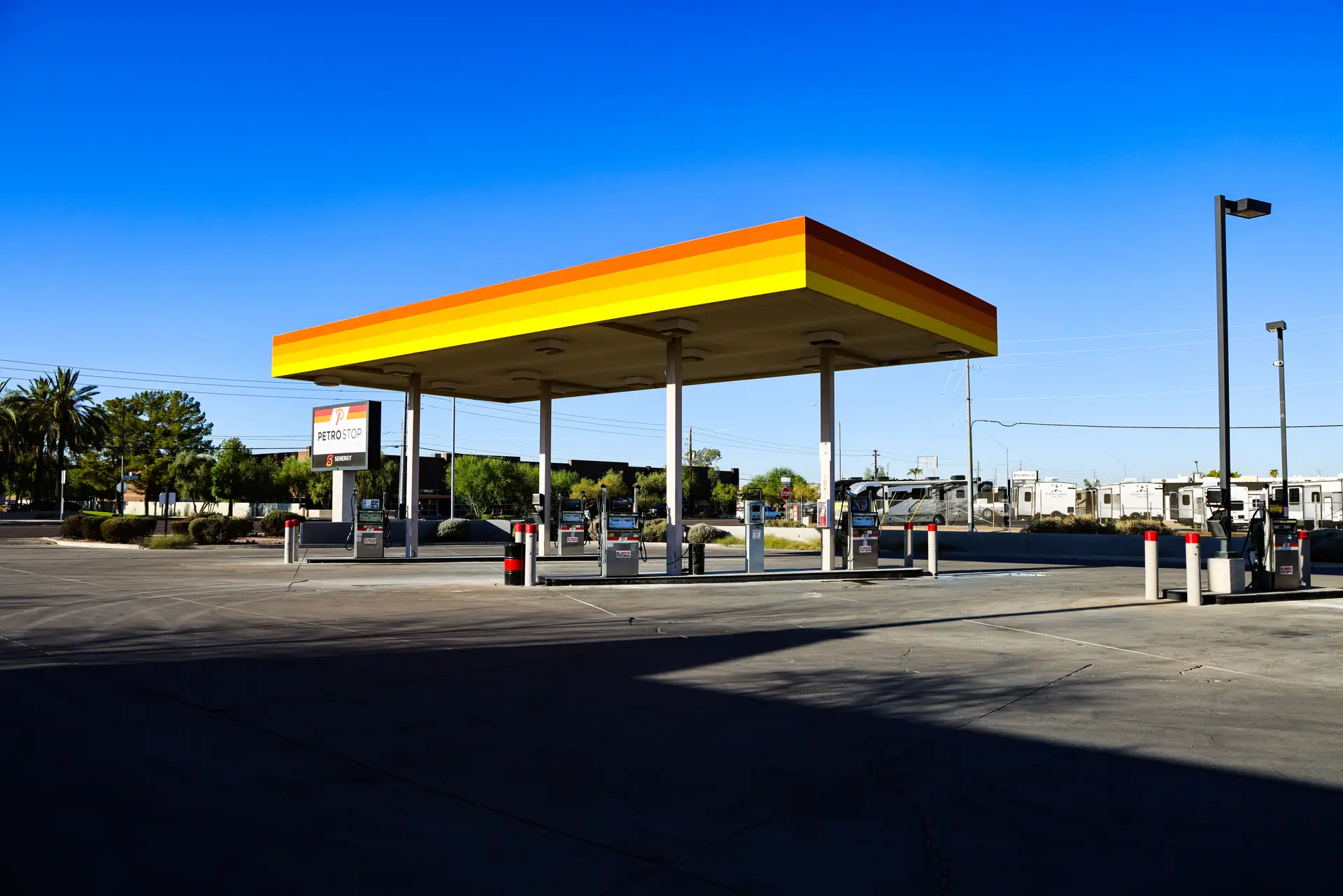
How On-Site Fuel Storage Can Reduce Downtime and Improve Fuel Management
Fuel is essential to businesses that rely on trucks, heavy equipment, generators, and other diesel-powered machinery. When fuel is not available at the right time, work can come to a stop. A single empty tank can leave equipment sitting idle, delay a delivery, or force employees to spend valuable time traveling to a fuel station.
On-Site Fuel Storage gives businesses greater control over their fuel supply. Instead of depending entirely on retail stations or last-minute deliveries, companies can keep an appropriate supply at their own facility. With the right tank capacity, dispensing equipment, monitoring system, and delivery plan, on-site storage can help reduce interruptions and make daily operations easier to manage.
Overview
- On-site fuel storage keeps fuel available where equipment needs it.
- It can reduce unnecessary trips to retail fuel stations.
- Better inventory control helps prevent unexpected fuel shortages.
- Tank monitoring can provide low-level alerts and support timely deliveries.
- Controlled dispensing can improve fuel accountability and reduce unauthorized use.
- The right tank capacity helps balance fuel availability with storage costs.
- A well-planned fuel system can improve equipment uptime and daily efficiency.
Keeping Fuel Available Where It Is Needed
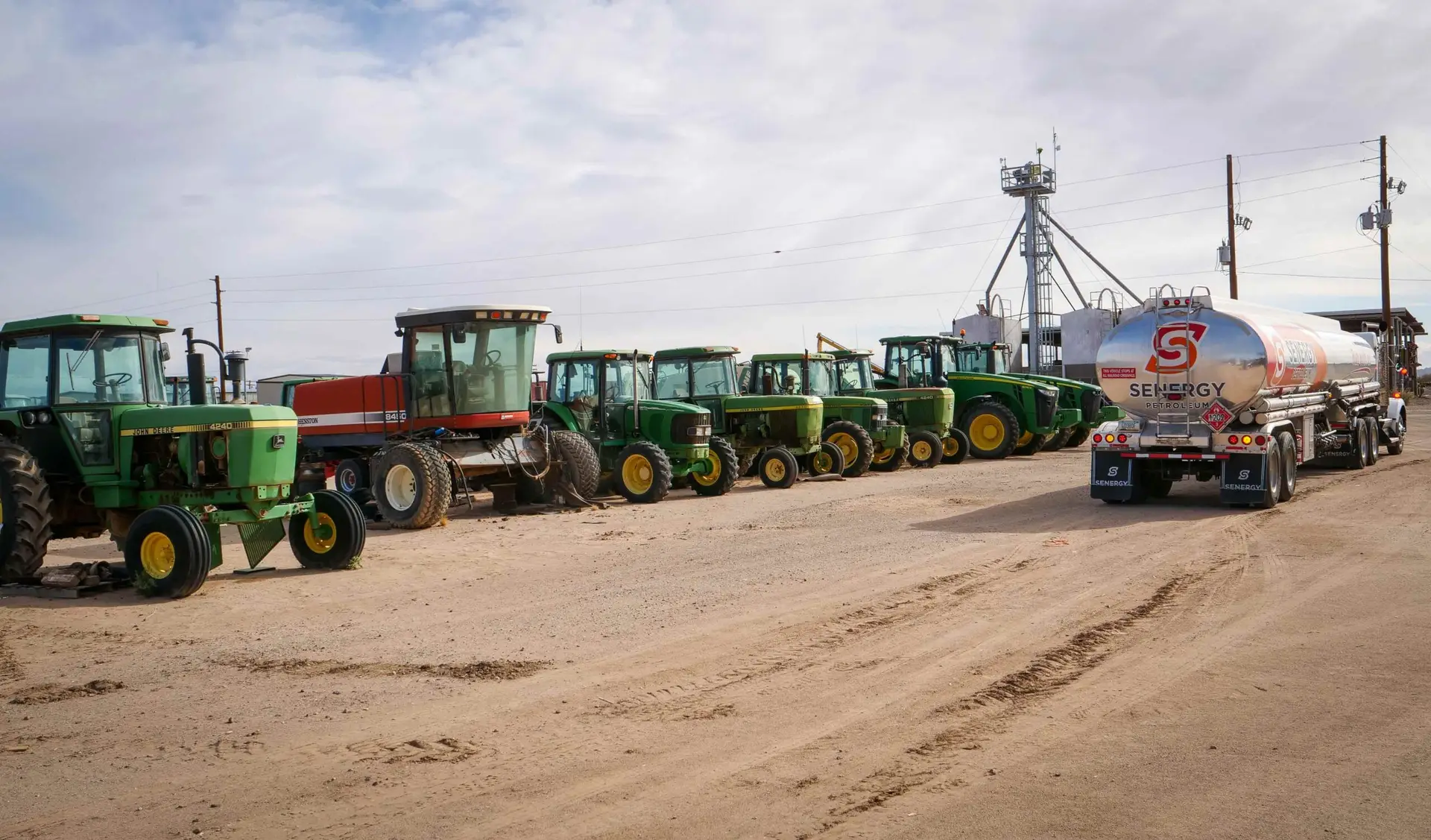
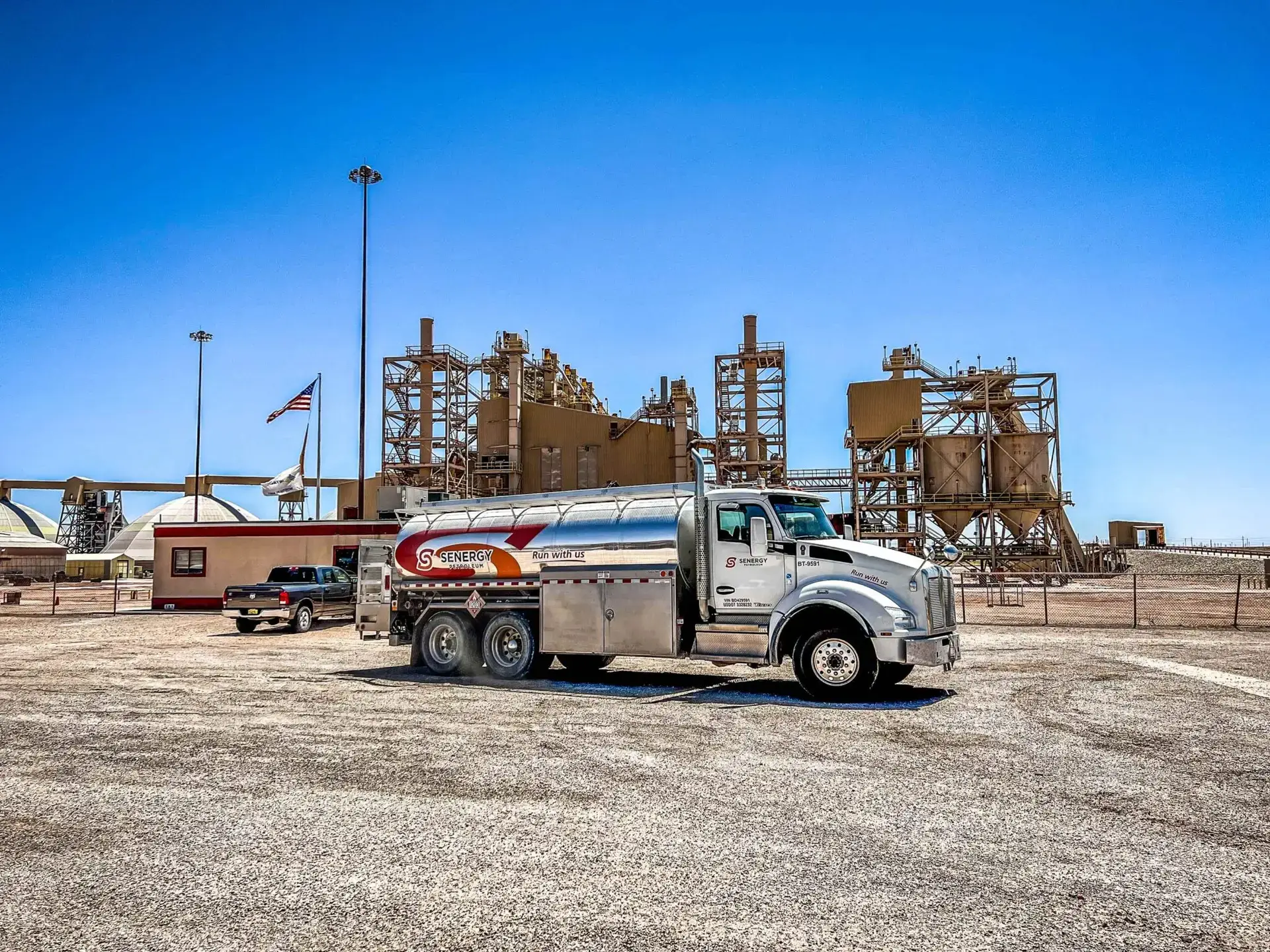
One of the biggest advantages of storing fuel on-site is simple: fuel is available closer to the equipment that needs it. Trucks, generators, construction equipment, agricultural machinery, and industrial vehicles can be refueled without making unnecessary trips away from the property.
A trip to a retail fuel station involves more than the time spent at the pump. Employees may have to drive several miles, wait in line, and return before getting back to productive work. The vehicle also uses fuel during the trip. When several vehicles need fuel during the same shift, those small delays can add up to significant lost time.
An on-site tank allows businesses to plan fueling around their normal workflow. Equipment can be refueled before a shift, during scheduled breaks, or at the end of the workday. This is particularly useful for businesses that operate outside normal retail station hours or manage equipment across a large property.
Keeping fuel nearby also gives operators more flexibility during periods of high demand. Instead of making fuel availability part of the daily schedule, businesses can build fueling into their existing maintenance and operating routines.
Improving Control Over Fuel Inventory
Knowing how much fuel is available is just as important as having a storage tank. Without accurate inventory information, businesses can either order too much fuel or wait too long and risk running out.
Modern fuel storage systems can include tank gauges, digital meters, and remote monitoring equipment. These tools make it easier to check fuel levels and identify when inventory is approaching a predetermined refill point. Early alerts give managers more time to arrange a delivery instead of placing an emergency order.
Fuel records can provide even more useful information. Businesses can track gallons delivered, gallons dispensed, and fuel used by individual vehicles or equipment. Over time, this information can reveal consumption patterns and help managers make better purchasing decisions.
This is where Fuel Management becomes more than simply keeping a tank full. It involves knowing how much fuel the business uses, when consumption increases, how quickly inventory changes, and when another delivery should be scheduled.
Accurate fuel records can also help identify unusual consumption. If one vehicle begins using considerably more fuel than expected, the business has a reason to investigate possible idling, maintenance, operating, or unauthorized-use issues.
Reducing Fuel-Related Downtime
Downtime can be expensive, especially when it affects equipment that generates revenue. A fuel shortage can stop a machine just as effectively as a mechanical problem. The difference is that many fuel-related interruptions can be prevented with better planning.
Businesses can establish minimum inventory levels based on normal consumption and expected demand. For example, an operation may decide that its tank should never fall below a specific number of gallons. When the level approaches that point, a delivery can be scheduled before the supply becomes critical.
Tank monitoring can make this process easier. Remote monitoring systems can provide current inventory information and, in some cases, send low-level alerts automatically. This reduces the need for employees to physically inspect the tank and helps prevent unexpected fuel shortages.
Storage capacity also matters. A tank that is too small may require frequent deliveries, while an unnecessarily large tank can tie up capital in fuel that may not be needed immediately. The appropriate capacity depends on consumption, delivery frequency, available space, equipment demand, and the reliability of the fuel supplier.
The goal is not to store the maximum possible amount of fuel. It is to maintain enough inventory to support normal operations and provide a practical reserve when demand or delivery schedules change.
Choosing the Right Fuel Storage System
Every business has different fuel requirements, so the storage system should be selected around actual usage. Important considerations include tank capacity, fuel type, location, delivery access, dispensing requirements, and expected consumption.
Businesses can choose from several tank configurations, including stationary, portable, aboveground, and double-wall systems. Double-wall tanks provide an additional containment layer, while secure cabinets and controlled dispensing equipment can help protect the fuel supply from unauthorized access.
The dispensing equipment deserves attention as well. Pumps, hoses, filters, nozzles, meters, and gauges all affect how quickly and conveniently fuel can be transferred to vehicles and equipment. A system designed for the expected volume can make daily fueling easier and reduce unnecessary waiting.
Tank placement is another practical consideration. The storage area should allow fuel deliveries to be made safely while giving vehicles and equipment convenient access to the dispensing point. Businesses should also review applicable federal, state, and local requirements before installing a storage system.
Safety features such as secondary containment, spill protection, proper ventilation, overfill protection, and secure access may also be relevant depending on the tank and installation. Requirements can vary by location, fuel type, tank capacity, and system design, so businesses should confirm the rules that apply to their specific setup.
Using Monitoring and Automation to Improve Efficiency
Fuel storage becomes considerably more useful when monitoring technology is added. A manual tank check may be sufficient for a small operation, but businesses with larger fleets, multiple storage locations, or high fuel consumption can benefit from automated information.
Remote tank monitoring can provide current inventory levels without requiring someone to inspect the tank. Low-level alerts can give managers advance notice that a delivery is needed, while consumption records can show how quickly fuel is being used.
Controlled dispensing can provide another layer of accountability. User identification, PIN access, fuel cards, digital meters, and transaction records can help businesses determine who dispensed fuel, when it was dispensed, and how much was used.
This information can be compared with vehicle mileage, equipment hours, production levels, or project activity. Over time, these records may highlight excessive idling, unusual consumption, inefficient equipment, or unauthorized fuel use.
Automated replenishment can also simplify deliveries. Instead of relying entirely on manual checks, businesses can establish inventory thresholds and use monitoring information to schedule deliveries before fuel levels become critical.
Making Fuel Storage Part of a Long-Term Operating Plan
The most effective fuel strategy connects fuel purchasing, fuel storage, delivery, monitoring, and equipment use. Businesses should begin by reviewing historical fuel consumption and identifying periods when demand is highest. From there, they can determine an appropriate tank capacity, reserve level, and delivery schedule.
Cost should also be evaluated beyond the price per gallon. The total cost of obtaining fuel can include delivery charges, employee time, vehicle mileage, fueling trips, emergency deliveries, and productivity lost when equipment is unavailable.
Bulk purchasing may offer advantages in certain situations, but the actual benefit depends on purchase volume, market conditions, delivery distance, storage capacity, and supplier terms. A lower price per gallon does not automatically mean a lower overall operating cost.
Regular maintenance is another important part of the plan. Tanks, pumps, hoses, filters, meters, and monitoring equipment should be inspected and maintained according to applicable requirements and manufacturer recommendations. Proper storage practices can also help protect fuel quality and reduce contamination problems.
For businesses that depend on fuel every day, a storage tank should be viewed as part of the operating system rather than simply a container. When fuel is readily available, inventory is monitored, dispensing is controlled, and replenishment is planned, businesses can reduce avoidable interruptions and keep equipment available for the work that matters.
A well-designed on-site fueling setup can therefore support more than convenience. It can reduce unnecessary fueling trips, improve inventory visibility, strengthen fuel accountability, and help prevent fuel-related downtime. When these pieces work together, businesses have a more dependable way to manage one of their most important operating resources.
For operations that also use Lubricants, keeping fuel, maintenance products, and dispensing equipment organized can make routine maintenance and inventory control easier.