How Tank Monitoring Systems Help Prevent Fuel Runouts
Fuel plays a critical role in keeping businesses, equipment, and essential operations running smoothly. From diesel generators that provide backup power to vehicles and heavy machinery that support daily operations, reliable fuel availability is necessary to avoid unexpected interruptions. A sudden shortage can lead to equipment downtime, delayed projects, and costly emergency responses.
Traditional fuel management methods often depend on manual tank checks and estimated usage patterns. While these methods may work for smaller operations, they can become unreliable when managing multiple tanks, remote locations, or equipment with changing fuel demands. A Fuel Tank Monitor provides a more accurate way to track fuel levels and understand consumption patterns before a shortage occurs.
Modern monitoring systems combine sensors, digital reporting, and remote access to improve visibility into fuel storage. By providing real-time information about tank levels and usage, these systems support better planning and stronger Fuel Runout Prevention strategies for businesses of all sizes.
Overview
- Fuel monitoring systems track tank levels and prevent unexpected runouts.
- Real-time alerts help avoid downtime for generators, fleets, and equipment.
- Fuel usage data improves planning, refueling, and inventory management.
- Remote monitoring reduces manual checks and supports better fuel control.
- Smart fuel tracking helps maintain reliable operations and reduce costs.
Why Fuel Runouts Can Disrupt Business Operations
Fuel shortages rarely happen at convenient times. A generator that runs out of diesel during a power outage, a construction machine that stops in the middle of a project, or a fleet vehicle waiting for fuel can create serious operational challenges. Many industries rely on continuous fuel availability, making early detection of low fuel levels extremely important.
One of the main problems with manual monitoring is that fuel consumption is not always consistent. Equipment usage can change depending on workload, weather conditions, operating hours, and production demands. A tank that appears sufficient during a routine inspection may reach a critical level sooner than expected.
Remote locations create another challenge. Checking tanks manually at multiple sites requires additional labor and time. It can also increase the risk of missing important changes in fuel levels. Remote fuel monitoring helps solve this issue by allowing operators to view tank information without physically visiting every location.
A Fuel Tank Monitor helps businesses move from reactive fuel management to a planned approach. Instead of discovering an empty tank after equipment stops working, operators can receive updates and take action before fuel reaches a critical point.
How Fuel Tank Monitoring Systems Work
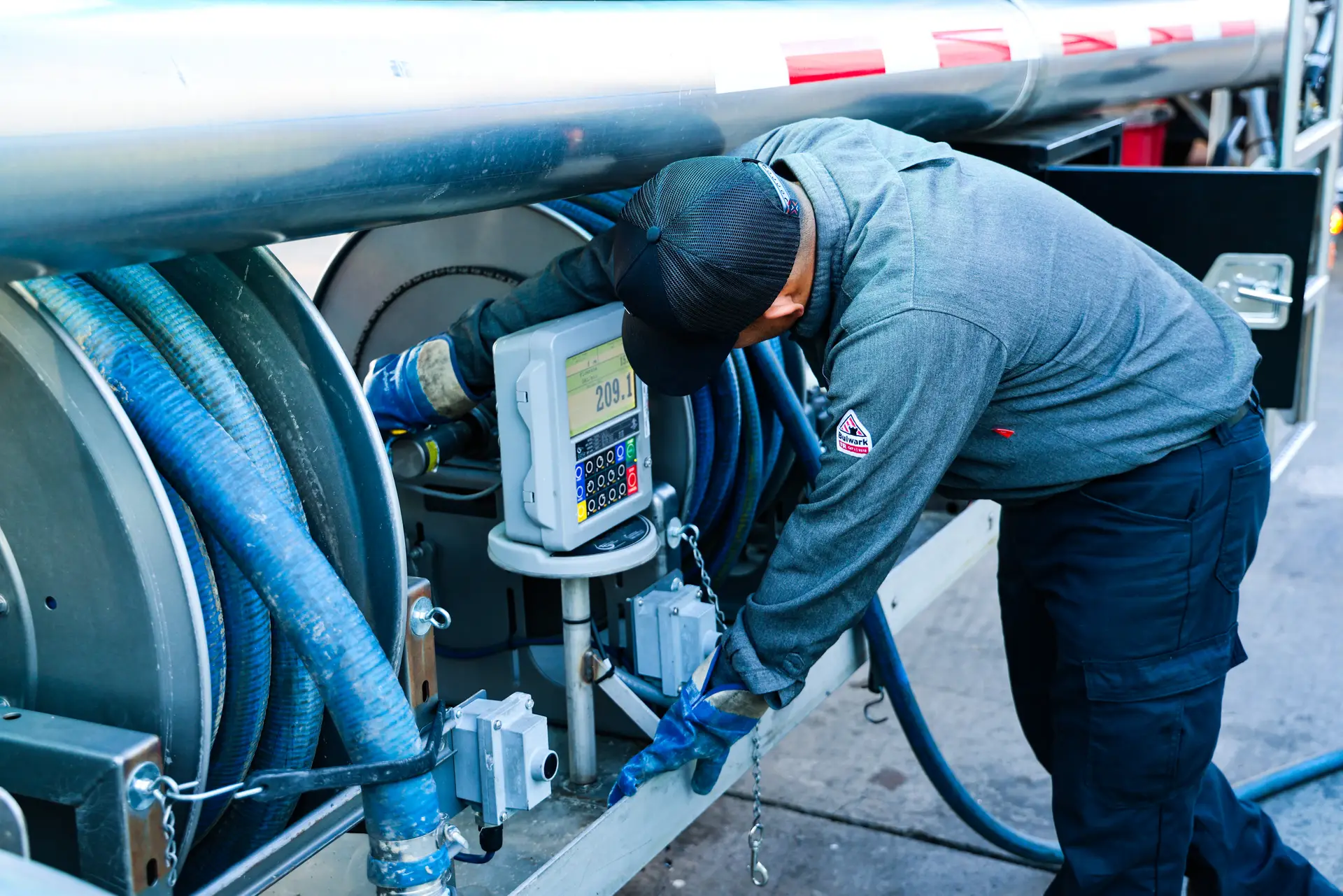
A fuel monitoring system uses sensors to measure the amount of fuel stored inside a tank. These sensors can track tank levels, remaining volume, and consumption patterns. Depending on the application, monitoring devices may use ultrasonic sensors, pressure sensors, radar technology, or other measurement methods to collect accurate data.
Once information is collected, the system sends data through communication networks such as cellular connections, satellite technology, or long-range wireless networks. Users can then access fuel information through online dashboards, mobile applications, or reporting platforms.
The main purpose of a monitoring system is to provide clear visibility into fuel inventory. Operators can see current fuel levels, review usage history, and identify trends that help with future planning. This is especially useful for organizations managing diesel generators, commercial vehicles, or large equipment fleets.
Fuel monitoring also supports better storage management. Tracking tank conditions can help identify possible issues such as fuel contamination, water buildup, or unusual fuel loss. Maintaining proper fuel quality helps protect fuel injectors, fuel pumps, and other engine components from damage.
How Real-Time Alerts Support Fuel Runout Prevention
One of the most valuable features of modern monitoring systems is the ability to provide automatic alerts. A system can notify users when fuel levels drop below a selected limit, giving them time to schedule refueling before operations are affected.
These alerts are important for industries where fuel availability directly impacts safety and productivity. Hospitals, data centers, emergency facilities, and commercial buildings often depend on standby generators during power failures. Maintaining sufficient diesel fuel levels helps ensure these systems are ready when needed.
Real-time alerts also reduce the need for unnecessary manual inspections. Instead of regularly checking every tank, managers can focus on locations that require attention. This saves time and allows teams to respond more efficiently.
Fuel alerts can also help identify unexpected changes in consumption. If a tank level decreases faster than normal, it may indicate equipment issues, leaks, or unauthorized fuel usage. Early detection helps reduce waste and improves overall fuel security.
By providing timely information, monitoring technology strengthens Fuel Runout Prevention and helps organizations avoid unexpected interruptions caused by empty tanks.
Improving Fuel Management Through Usage Tracking
Fuel monitoring is not only about knowing how much fuel remains in a tank. It also helps businesses understand how fuel is being used. Fuel consumption tracking provides valuable information about operating patterns, equipment performance, and future fuel requirements.
For fleet managers, usage data can reveal which vehicles or machines consume more fuel and how operating habits affect efficiency. This information supports better planning and helps reduce unnecessary fuel expenses.
Businesses that operate multiple fuel storage locations can use fuel inventory management tools to organize supply levels across different sites. Instead of relying on estimates, managers can make decisions based on actual data.
Predictive maintenance is another benefit of fuel monitoring. Changes in fuel consumption may indicate equipment problems before a major failure occurs. For example, an engine experiencing reduced efficiency may consume more fuel than usual. Tracking these changes can support earlier maintenance decisions.
Fuel quality monitoring is also important for stored fuel. Diesel and other fuels can experience degradation over time, especially when exposed to moisture or contaminants. Water contamination, microbial growth, and sediment buildup can affect combustion efficiency and engine reliability.
Supporting Fleets, Generators, and Commercial Fuel Operations
Many industries depend on stored fuel to maintain daily operations. Transportation companies, construction businesses, agricultural operations, and industrial facilities often require reliable fuel access to keep equipment working.
Fleet operators benefit from monitoring because it provides better control over fuel usage and availability. Instead of manually checking vehicle fueling stations or storage tanks, managers can monitor fuel conditions digitally.
Diesel generators are another major application. Backup power systems must remain ready even when they are not used regularly. A monitoring system helps verify fuel availability and reduces the risk of generator failure caused by insufficient fuel supply.
Businesses that manage Commercial fuel storage can also improve delivery scheduling. By understanding current fuel levels and consumption rates, companies can arrange deliveries at the right time instead of depending on emergency requests.
For larger operations, planned supply solutions such as Bulk fuel delivery become easier to manage when supported by accurate tank information. Reliable data helps businesses maintain appropriate fuel levels without overfilling tanks or storing unnecessary amounts of fuel.
Choosing the Right Fuel Monitoring Approach
Selecting a fuel monitoring system depends on several factors, including tank size, fuel type, location, and operational requirements. Businesses should consider sensor accuracy, communication options, maintenance needs, and compatibility with existing management tools.
For remote areas, wireless monitoring systems can provide valuable visibility without requiring frequent site visits. For businesses managing multiple facilities, cloud-based platforms can combine information from different tanks into one central dashboard.
A good monitoring solution should provide accurate readings, reliable alerts, and easy access to important fuel data. The goal is not only to measure fuel levels but also to improve decision-making and reduce operational risks.
As businesses continue to rely on fuel-powered equipment and backup energy systems, fuel monitoring technology will become increasingly important. A dependable Fuel Tank Monitor gives organizations better control over their fuel supply, improves planning, and supports long-term equipment reliability.
By combining real-time tracking, consumption analysis, and proactive planning, tank monitoring systems provide an effective way to prevent shortages and keep essential operations running without unnecessary disruptions.