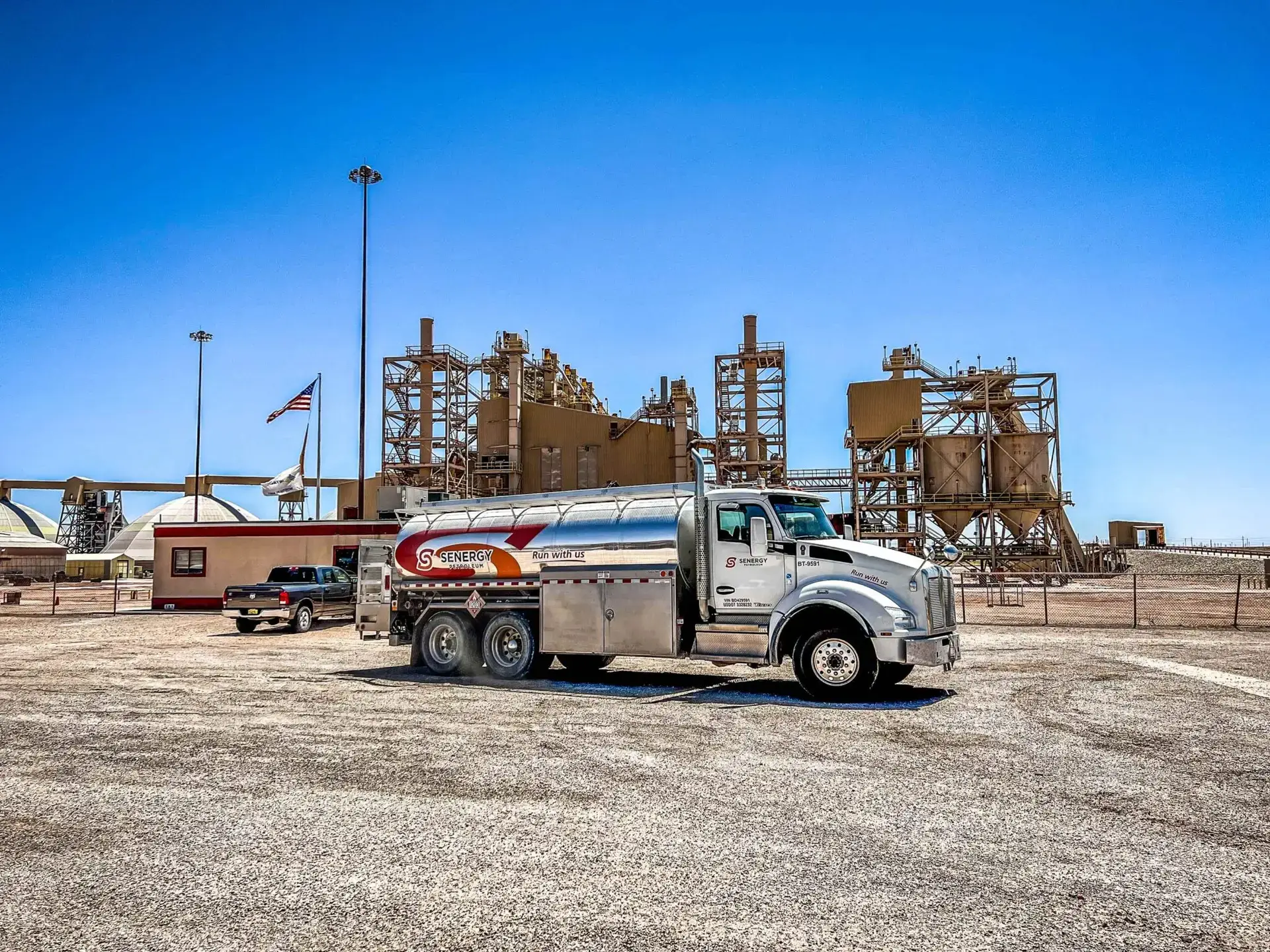
Bulk Fuel Delivery vs. Mobile Fuel Delivery: Which Is Right for Your Business?
Fuel is a critical part of daily operations for businesses that depend on vehicles, heavy equipment, generators, and machinery. Construction companies, trucking fleets, farms, manufacturers, logistics providers, and other commercial operations can go through large amounts of diesel or gasoline every month. The way fuel is purchased and delivered can affect operating costs, employee time, equipment availability, and productivity.
Two common fueling options are bulk fuel delivery and mobile fuel delivery. While both help businesses maintain a steady fuel supply, they serve different operating needs. Bulk fuel is typically delivered to a storage tank at a business location, while mobile fuel delivery brings fuel directly to vehicles, equipment, or generators. Understanding the differences can help businesses choose a fueling setup that fits their locations, fuel consumption, storage capacity, and daily operations.
Overview
- Bulk fuel delivery works well for businesses with high fuel consumption and onsite storage.
- Mobile fuel delivery brings fuel directly to vehicles, equipment, and generators where they operate.
- Bulk fueling can simplify fuel storage and refueling for centralized fleets.
- Mobile fueling can reduce fuel station trips, employee travel time, and fueling-related interruptions.
- Businesses should consider fuel usage, storage, fleet size, location, labor, and operating costs before choosing an option.
- Some businesses may benefit from using both approaches for different fueling needs.

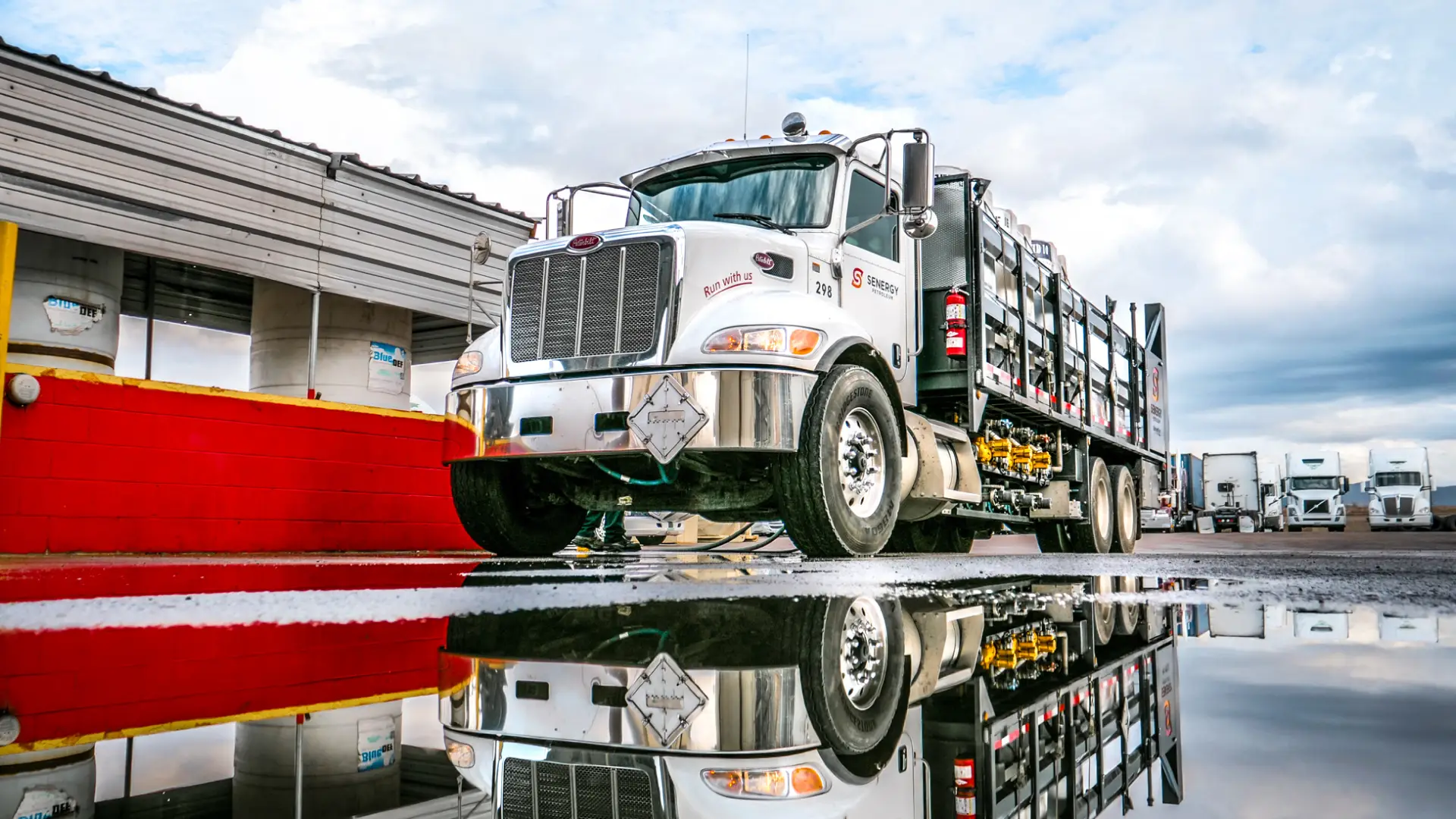
Understanding Bulk Fuel Delivery
Bulk fuel delivery is commonly used by businesses that have suitable onsite storage and regularly need fuel for vehicles, equipment, or other operations. A supplier delivers fuel to an onsite storage tank, allowing the business to keep a supply available for vehicles and equipment. Common products can include diesel, gasoline, off-road diesel, and other commercial fuels.
An onsite tank can be useful for businesses operating from a central location. A trucking company with a fleet yard, for example, can keep fuel on the property so drivers do not need to make frequent trips to public fuel stations. Farms, manufacturing facilities, warehouses, and large construction operations can also benefit when vehicles and equipment regularly return to the same location.
Storage capacity is an important part of the setup. The tank needs to provide enough capacity for normal fuel consumption without creating unnecessary storage expenses. Businesses may also need fuel pumps, dispensing equipment, hoses, and monitoring systems. Regularly checking tank levels can help managers track inventory and schedule deliveries before fuel levels become too low.
For businesses with predictable fuel demand, having fuel available onsite can make daily operations more convenient. Employees can refuel vehicles and equipment at the company location and return to work without making separate trips to a retail station.
Bulk Fuel Delivery vs. Mobile Fuel Delivery
The biggest difference between the two options is where the fuel goes. Bulk fuel is generally delivered into a storage tank, while mobile fuel delivery puts fuel directly into the vehicle, machine, or generator that needs it.
A centralized operation with steady fuel consumption may benefit from maintaining an onsite fuel supply. A large fleet operating from one yard can refuel vehicles without sending drivers to public stations. The same principle can apply to farms, manufacturing facilities, distribution centers, and other businesses with consistent fueling requirements.
Mobile fuel delivery offers more flexibility when vehicles or equipment operate across multiple locations. Construction companies are a good example. Heavy equipment may be distributed throughout a job site, making it inconvenient to move each machine to a separate fueling location. Bringing fuel directly to the equipment can help reduce unnecessary travel and interruptions.
The two approaches can also be combined. A business might maintain a storage tank for regular fleet fueling while using mobile service for remote equipment, temporary projects, locations without permanent fueling infrastructure, or emergency needs when service is available.
The right choice therefore depends less on the name of the service and more on how a business operates.
Looking Beyond the Price Per Gallon
Fuel price is an important consideration, but it does not tell the complete story. Businesses should also consider the total cost of getting fuel into their vehicles and equipment.
For example, sending drivers to a fuel station involves more than the price paid at the pump. Employees spend time traveling, waiting, and returning to the workplace. Vehicles also accumulate additional mileage. For a large fleet, the time associated with repeated fueling trips can become a meaningful operating expense across a large fleet.
An onsite tank can reduce some of these costs by providing a dedicated fueling location. However, businesses need to account for the cost of the tank, dispensing equipment, maintenance, monitoring, and proper storage.
Mobile fuel delivery may include delivery or service charges, but it can reduce station trips and employee travel. For businesses operating expensive equipment, fueling equipment at or near the worksite can help reduce interruptions associated with moving equipment to an off-site fueling location.
Fuel tracking is another part of the overall calculation. When fuel records are associated with individual vehicles or equipment, managers can review consumption, identify unusual usage patterns, and use the information for future fuel planning.
Who Can Benefit From Each Option?
Different industries have different fueling requirements. Construction companies may need fuel delivered directly to heavy equipment at active job sites. Trucking and transportation companies may have large fleets that operate from one or several locations. Farms can require fuel for tractors, harvesters, generators, and other agricultural equipment.
Manufacturing plants, warehouses, and distribution centers may use fuel for fleet vehicles, equipment, or backup generators. Municipalities and public works departments can have similar requirements for service vehicles and heavy equipment.
Businesses that rely on standby generators also need to account for generator fuel requirements when planning their fuel supply. Hospitals, data centers, telecommunications facilities, and other critical operations may need fuel available during extended power interruptions or emergency situations.
The number of vehicles, fuel consumption, operating locations, working hours, storage space, and fueling frequency should all be considered when deciding which approach fits the business.
Choosing the Right Fueling Approach
The best place to start is with your current fuel usage. Look at how many gallons your business consumes, how frequently vehicles and equipment need to be refueled, where they operate, and how much employee time is spent traveling to fuel stations.
Next, review your existing infrastructure. If your business has suitable space and can meet applicable fuel-storage, safety, environmental, and permitting requirements, onsite storage may be practical for regular fuel consumption. If equipment moves between locations or operates far from a central facility, mobile fuel delivery may provide greater flexibility.
It is also worth considering whether a combination of services would work better. A company with a centralized fleet might use onsite storage for its regular vehicles while arranging mobile fueling for remote construction equipment or temporary operations.
There is no single fueling method that works for every business. The right approach depends on fuel volume, storage capacity, fleet size, equipment location, labor requirements, operating schedules, and the cost of downtime. By looking at the complete fueling process instead of only the price per gallon, businesses can choose an approach that fits their operating needs while reducing unnecessary fueling-related travel, time, and expenses.