
How Bulk Fuel Management Helps Agricultural Operations Reduce Downtime
Fuel is one of the resources agricultural operations depend on every day. Tractors, combines, sprayers, irrigation pumps, grain dryers, trucks, and other equipment all need a dependable fuel supply to keep work moving. When fuel is unavailable at the wrong time, equipment can sit idle, workers can be left waiting, and important fieldwork can fall behind schedule.
The challenge becomes greater during planting and harvest, when machinery may operate for long hours and fuel consumption can increase rapidly. A tank that was sufficient during a normal week may not provide enough fuel during a busy fieldwork period.
This is where Farm Fuel Management becomes an important part of daily operations. By keeping track of fuel inventory, monitoring consumption, maintaining storage equipment, and planning deliveries ahead of time, agricultural businesses can reduce the risk of fuel shortages and keep equipment ready for the work ahead.
Overview
- Reliable fuel availability is essential for keeping tractors, combines, irrigation equipment, trucks, and other farm machinery running.
- Farm Fuel Management helps monitor fuel levels, track consumption, and identify when supplies need to be replenished.
- Better fuel planning can reduce the risk of fuel-related downtime and unexpected interruptions during critical farming periods.
- Planting and harvest seasons often increase fuel demand, making advance planning especially important.
- Fuel tracking can help farms understand usage, improve accountability, and identify unusual consumption or inventory discrepancies.
- Proper tank placement, maintenance, inventory checks, and scheduled deliveries can make refueling more efficient.
- Remote monitoring and automated alerts can help operators respond before fuel levels become critical.
- A consistent fuel management plan helps agricultural operations keep equipment ready and fieldwork on schedule.

Why Reliable Fuel Supply Matters on Farms
Agricultural work often operates around tight schedules. Planting can depend on weather and soil conditions, while harvesting may require equipment to run for extended hours. When a tractor or combine stops because there is not enough fuel, the problem can affect more than one machine. Employees may need to stop their work, another vehicle may have to be sent for fuel, and other activities can be pushed back.
Fuel demand also changes throughout the year. A farm may use relatively little fuel during slower periods but consume significantly more during planting, spraying, irrigation, and harvest. Understanding these changes helps managers determine how much fuel should be available at different times of the year.
Reliable inventory information makes this process easier. Instead of waiting until a tank is nearly empty, operators can establish minimum fuel levels and arrange replenishment before supplies become critical. This provides more flexibility when delivery schedules are busy or equipment needs to remain in the field.
For farms with multiple locations, fuel availability can be even more challenging. Remote tanks may serve equipment working far from the main farmyard, making regular physical checks inconvenient. Keeping track of inventory at each location helps managers avoid overlooking a tank that is being used heavily.
How Better Fuel Planning Helps Reduce Fuel-Related Downtime
Equipment downtime can result from mechanical problems, maintenance, weather, and other factors. Better planning can help reduce the risk of fuel shortages and give farms more time to respond when inventory becomes low. When equipment runs out of fuel in the middle of a job, the operator must stop and arrange for a refill before work can continue.
Regular tank checks and fuel records can provide an early indication that inventory is falling. Farms can use this information to determine when another delivery should be scheduled. Consumption history can also show how quickly a tank is normally depleted, helping managers set more realistic reorder points.
Remote tank monitoring can be useful for larger agricultural operations. Tank-level sensors can provide information without requiring an employee to visit each storage location. Depending on the system, operators may receive alerts when fuel reaches a predetermined level, giving them time to respond.
The purpose is not simply to know how much fuel is in a tank. The real value comes from using that information to make timely decisions. When fuel is replenished before equipment runs out, workers can spend more time completing fieldwork and less time dealing with avoidable interruptions.
Managing Fuel During Planting and Harvest Seasons
Planting and harvest can put considerable pressure on an agricultural fuel supply. Multiple tractors, combines, trucks, and support machines may be operating at the same time. Longer operating hours can cause fuel tanks to empty much faster than they do during routine operations.
Preparing for these periods starts with understanding previous consumption. Reviewing fuel records from earlier seasons can help managers estimate how much fuel may be required. Equipment schedules, expected fieldwork, tank capacity, and supplier delivery times can also be considered when planning inventory.
Different equipment may also operate in different areas of the farm. A tank near the main shop may support tractors and service vehicles, while a remote tank may supply equipment working in distant fields. Managing each storage point according to its actual usage can prevent one location from becoming depleted unexpectedly.
Seasonal planning also helps avoid unnecessary emergency orders. When managers know that fuel demand is likely to increase, they can coordinate deliveries before the busiest period begins. This can provide a more dependable supply when equipment needs to operate with minimal interruptions.
Improving Fuel Tracking and Inventory Control
Managing fuel involves more than keeping tanks full. Understanding where fuel is going can help agricultural operations identify waste, unusual consumption, and inventory discrepancies.
When fueling records are associated with individual equipment, they can show how much diesel is being dispensed to tractors, combines, trucks, irrigation equipment, or other machinery. Information such as the date, quantity, equipment, and operator can provide a useful history of fueling activity.
Digital records can make this process easier than relying entirely on paper logs. They can also make it easier to compare fuel purchased with fuel dispensed and remaining inventory. If the numbers do not match, managers have a starting point for investigating possible losses or recording errors.
Fuel tracking can also improve accountability. When fueling activity is associated with specific equipment or operators, unusual transactions may be easier to identify and investigate, providing better visibility into overall fuel consumption.
Over time, fuel-use information can support broader operating decisions. Managers may be able to compare fuel use among similar equipment, review changes in consumption over time, or better understand fuel use associated with different field activities.
The Role of Fuel Storage and Delivery
Fuel storage is an important part of maintaining a dependable supply. Agricultural operations may use aboveground tanks, mobile tanks, fuel trailers, or other storage arrangements depending on their size and operating requirements. Storage equipment should be maintained properly and inspected regularly for leaks, damage, and other issues.
The location of a tank can also affect productivity. If equipment has to travel a long distance to refuel, valuable operating time can be lost. Where permitted and appropriate, farms with large properties may benefit from locating fuel storage to provide practical access to areas with high fuel demand while meeting applicable safety, environmental, and storage requirements.
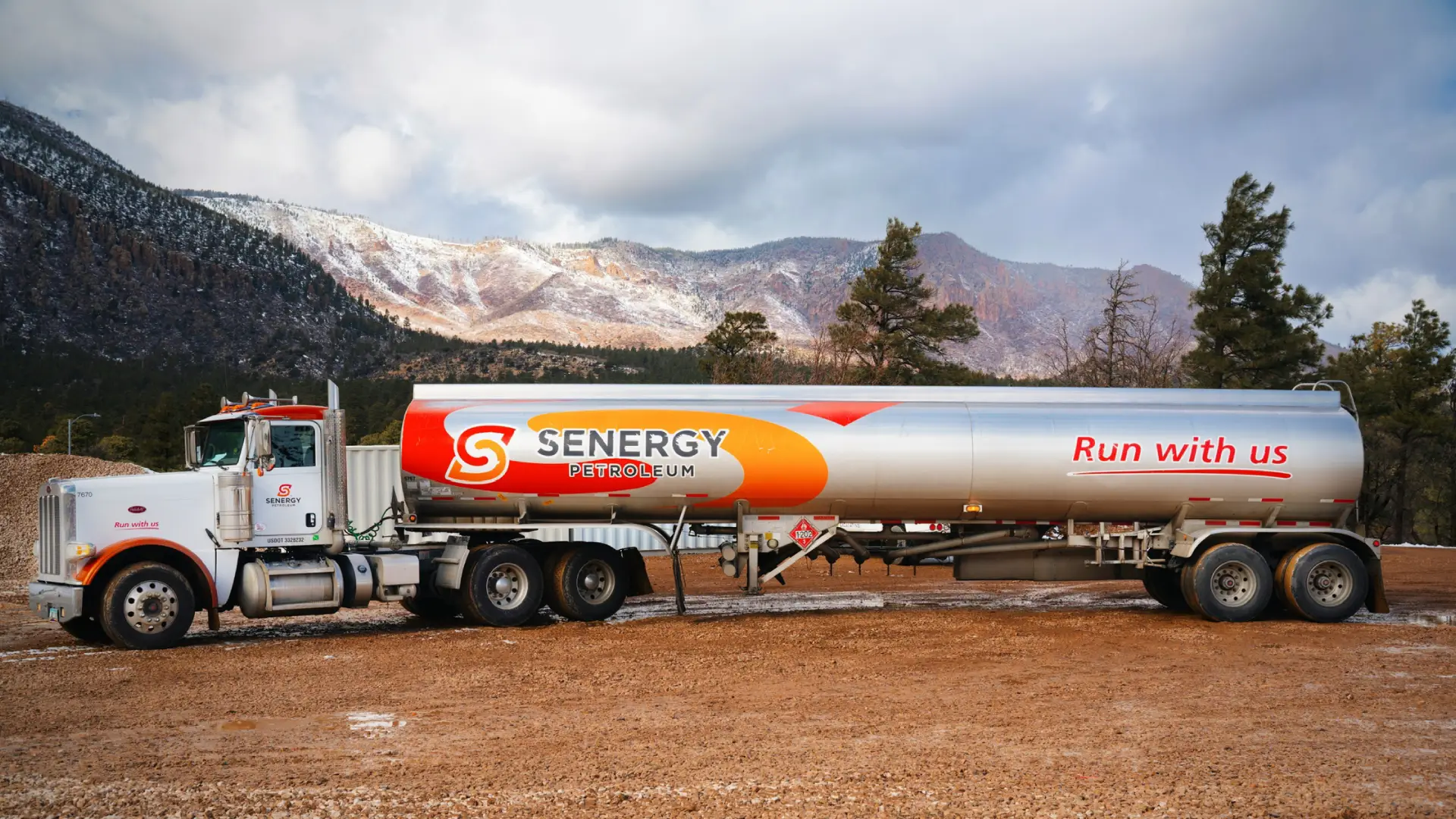
Delivery planning is just as important as storage. Waiting until a tank is almost empty can create problems when demand is high or a supplier cannot deliver immediately. Establishing reorder levels gives operators more time to schedule Bulk Fuel Delivery before fuel becomes a critical issue.
A planned approach also makes purchasing easier to manage. Instead of treating every order as an emergency, farms can coordinate deliveries around expected consumption, seasonal demand, available storage capacity, and equipment schedules.
Building a Practical Farm Fuel Management Plan
A practical fuel management plan begins with a clear picture of the operation. Managers should identify their fuel storage locations, tank capacities, fuel types, major equipment, average consumption, and typical delivery times. This information can be used to establish minimum inventory levels for each location.
Regular inspections should be part of the process. Tanks, pumps, hoses, meters, and other equipment should be checked for signs of wear, leaks, or damage. Proper storage and handling can help protect fuel quality while reducing unnecessary losses.
Technology can add another layer of visibility. Tank-level sensors, remote monitoring, automated alerts, digital fueling records, and fleet tracking systems can help larger farms manage fuel across multiple locations. However, technology works best when it supports a clear process. An alert is only useful if someone knows what action to take when it appears.
The most important step is to make fuel planning part of normal farm operations. Monitoring inventory, reviewing consumption, maintaining storage, and scheduling deliveries before supplies become critical can help reduce preventable interruptions.
A dependable fuel supply supports more than machinery. It can help reduce fuel-related delays and support fieldwork during periods of high equipment use. With a consistent approach to fuel planning and inventory control, agricultural operations can better manage fuel availability and make more informed use of their time, labor, and resources.
