What Is Cardlock Fueling and How Does It Work?
Cardlock fueling is a commercial fueling system that gives businesses a controlled way to purchase fuel for company vehicles and equipment. Rather than relying only on conventional retail gas stations, authorized drivers use a fuel card to access participating fueling locations. These locations are typically designed with commercial vehicles in mind, making them suitable for trucks, work vehicles, and fleet equipment.
For businesses managing several vehicles, fuel is more than a routine expense. It affects operating costs, driver productivity, recordkeeping, and daily operations. Cardlock fueling brings these areas together by combining dedicated fueling locations with payment authorization and transaction tracking. Depending on the program, fleet managers can establish purchase limits, monitor transactions, and review fuel activity by driver or vehicle.
Overview
- Cardlock fueling is a commercial fueling system designed for businesses and fleet vehicles.
- Drivers use an authorized fleet fuel card to access participating fueling stations.
- Transactions can track the driver, vehicle, fuel type, gallons, location, and purchase amount.
- Fleet managers can set fuel limits, monitor purchases, and manage fuel expenses more effectively.
- Cardlock stations may offer commercial-friendly features such as high-flow pumps and larger fueling areas.
How Does Cardlock Fueling Work?
The process starts when an authorized driver arrives at a participating cardlock station. The driver inserts, swipes, or otherwise uses the assigned fuel card at the fuel terminal. The system may then request additional information, such as a PIN, driver ID, vehicle number, or odometer reading.
Once the required information is entered and the transaction is authorized, the driver can select the permitted fuel. After the vehicle is fueled, the transaction is recorded electronically. The information may include the fueling location, date and time, fuel type, number of gallons purchased, vehicle, driver, and total amount.
The transaction data gives fleet managers a clearer record of fuel purchases. Depending on the provider, information may be available through an online account or fleet management portal. Managers can use these records for expense tracking, fuel reporting, accounting, and identifying purchases that do not match company policies.
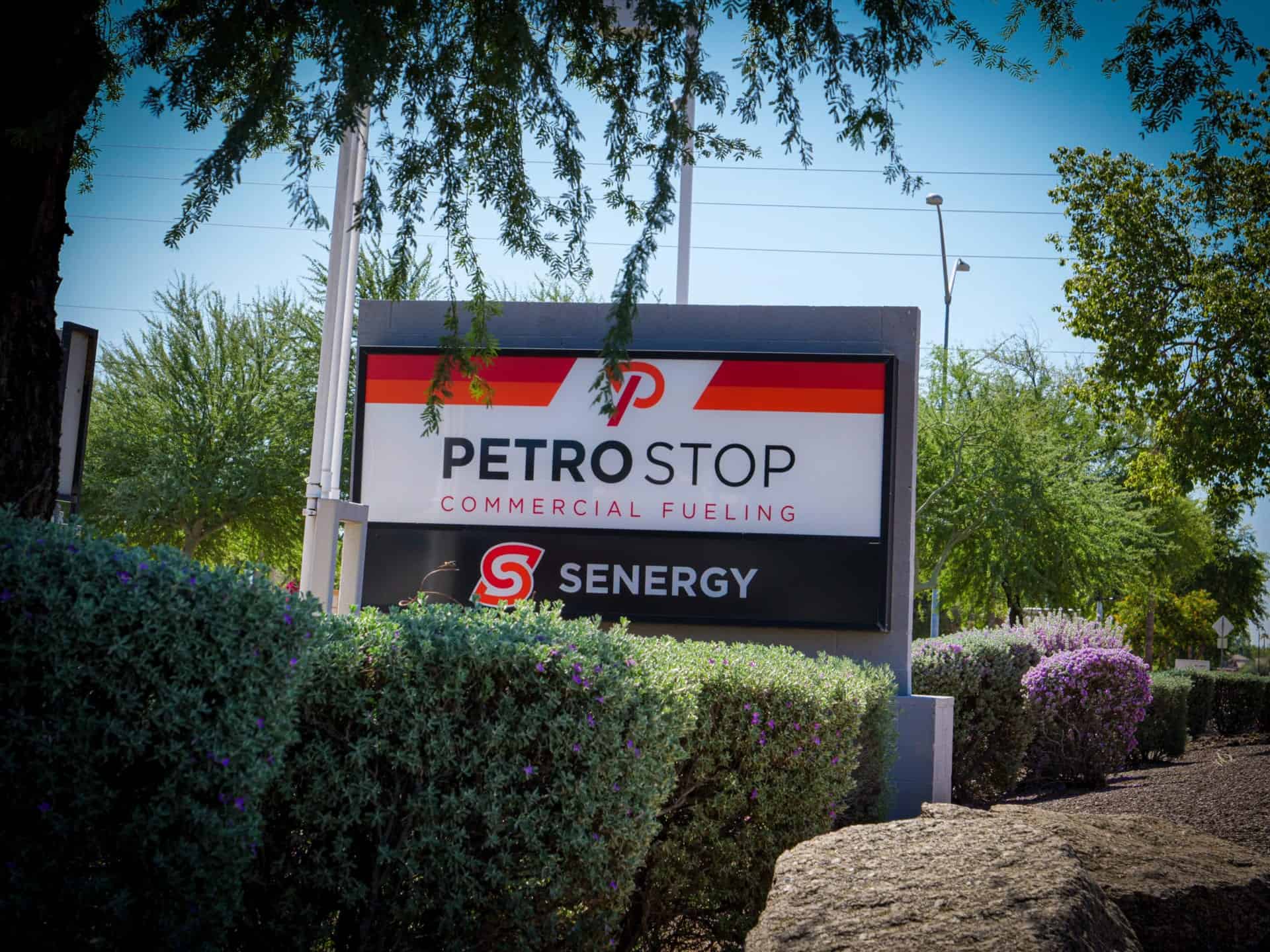
Cardlock stations are also commonly designed around commercial fueling needs. Some locations feature high-flow dispensers, larger fueling areas, and layouts that provide easier access for trucks and other large vehicles. Many are self-service, allowing authorized drivers to fuel without waiting for a cashier or entering a convenience store.
What Is a Fleet Fuel Card?
A fleet fuel card is a payment and management tool designed for businesses that operate vehicles or equipment. Although a regular credit card can be used to purchase fuel, a fleet fuel card can provide additional controls and transaction information that are valuable when multiple employees are making purchases.
Depending on the fuel-card program, businesses may be able to establish rules for individual cards, drivers, or vehicles. Available controls may include fuel-type restrictions, gallon or spending limits, and restrictions based on time or location. For example, a company may restrict a card to certain fuel types, set a maximum number of gallons per transaction, establish spending limits, or control when and where the card can be used. These settings can help keep purchases aligned with company policies.
The reporting capabilities can be equally useful. Instead of depending entirely on paper receipts, fleet managers can review electronic transaction records and see how much fuel each vehicle or driver has purchased. This information can support fuel budgeting, expense reconciliation, and routine fleet reviews.
A fleet fuel card can therefore serve two purposes: it provides authorized drivers with a convenient way to buy fuel while giving the business greater visibility into fuel spending.
What Fuel Is Available at Cardlock Stations?
Fuel availability depends on the station, location, and network. Diesel and gasoline are common options, while some commercial fueling locations may offer additional fuels such as clear diesel, dyed diesel, renewable diesel, or biodiesel. Some locations may also dispense Diesel Exhaust Fluid (DEF), which is an emissions-control fluid rather than a fuel.
Diesel is particularly important for heavy-duty applications. Trucking companies, delivery fleets, construction businesses, agricultural operations, and other commercial users may depend on diesel for heavy-duty trucks, work vehicles, and equipment. Gasoline can be useful for pickups, service vehicles, landscaping equipment, and other light-duty fleet applications.
Additional products and services may be available at some locations, depending on the cardlock network and facility. However, businesses should not assume that every station carries the same products. Availability can vary across a network, so checking individual fueling locations is important when planning routes or assigning stations to drivers.
For fleets operating across several states, network coverage and fuel availability can be just as important as the price of fuel. A conveniently located station with the required fuel product can reduce unnecessary travel for refueling and support route planning.
What Are the Benefits of Cardlock Fueling?
One of the main advantages of cardlock fueling is convenience for commercial fleets. Drivers can use designated fueling locations without depending entirely on conventional retail stations. Commercial-oriented fueling areas can also make it easier for larger vehicles to enter, maneuver, fuel, and leave.
Purchase controls provide another benefit. Fleet managers may be able to establish gallon limits, spending limits, fuel-type restrictions, location restrictions, or time restrictions. These controls give businesses a way to manage how company fuel accounts are used rather than providing unrestricted purchasing access.
Transaction visibility can also simplify fuel management. Electronic records can show where fuel was purchased, how much was purchased, which vehicle was involved, and when the transaction occurred. Depending on the program, businesses may also receive reports, electronic statements, transaction alerts, or consolidated billing.
These features can be useful across many industries. Trucking companies, contractors, delivery operators, utilities, field-service businesses, construction companies, and other commercial fleets can use the information to manage fuel expenses and maintain better records.
Cardlock Fueling vs. a Regular Gas Station
The key difference between cardlock fueling and conventional retail fueling is the type of user and the way the fueling service is structured. Traditional retail stations primarily serve the general public, while cardlock programs are designed around commercial and fleet fueling needs. Some fuel networks may include both dedicated cardlock sites and participating retail locations.
Cardlock locations may offer features that suit commercial vehicles, including high-flow dispensers and larger fueling areas. This can be helpful for trucks and other vehicles with larger fuel tanks. Self-service access can also allow drivers to complete a fuel stop without visiting a cashier.
The payment process is different as well. At a traditional retail station, drivers may use consumer payment methods or an accepted fleet card. A cardlock program, however, can connect purchases to a commercial account and apply the controls available through that program. A commercial fuel program can connect the transaction to a specific fleet account, driver, or vehicle and apply predefined purchasing rules.
Another difference is reporting. A standard fuel receipt may show the basic details of a purchase, while a fleet fueling program can provide transaction records that can be reviewed across an entire operation.
Neither option is automatically suitable for every business. Fleets should consider station locations, network coverage, available fuel products, pricing, vehicle requirements, and account controls before selecting a fueling arrangement.
Who Uses Cardlock Fueling?
Cardlock fueling can be used by many businesses that operate multiple vehicles or fuel-consuming equipment. Common users include trucking companies, delivery fleets, construction contractors, utility companies, agricultural businesses, service providers, municipalities, and other commercial operators.
It can be particularly useful when a company wants greater control over fuel purchases. A business with multiple drivers can assign cards and establish rules for individual users or vehicles. Managers can then review transaction records rather than relying solely on driver-reported expenses.
Route planning is another consideration. Businesses should look at where their vehicles regularly travel and whether suitable cardlock stations are available along those routes. A regional fleet may prioritize local coverage, while a company operating across multiple states may require access to a broader fueling network.
Businesses should also compare fuel products, station accessibility, pricing structures, reporting tools, purchase controls, and billing arrangements before choosing a program.
Ultimately, cardlock fueling provides a structured approach to commercial fuel purchasing. It combines authorized access to fueling locations with transaction tracking and account controls. For businesses managing multiple vehicles, these features can support a more organized fueling process, better visibility into fuel expenses, and greater control over company fuel purchases.