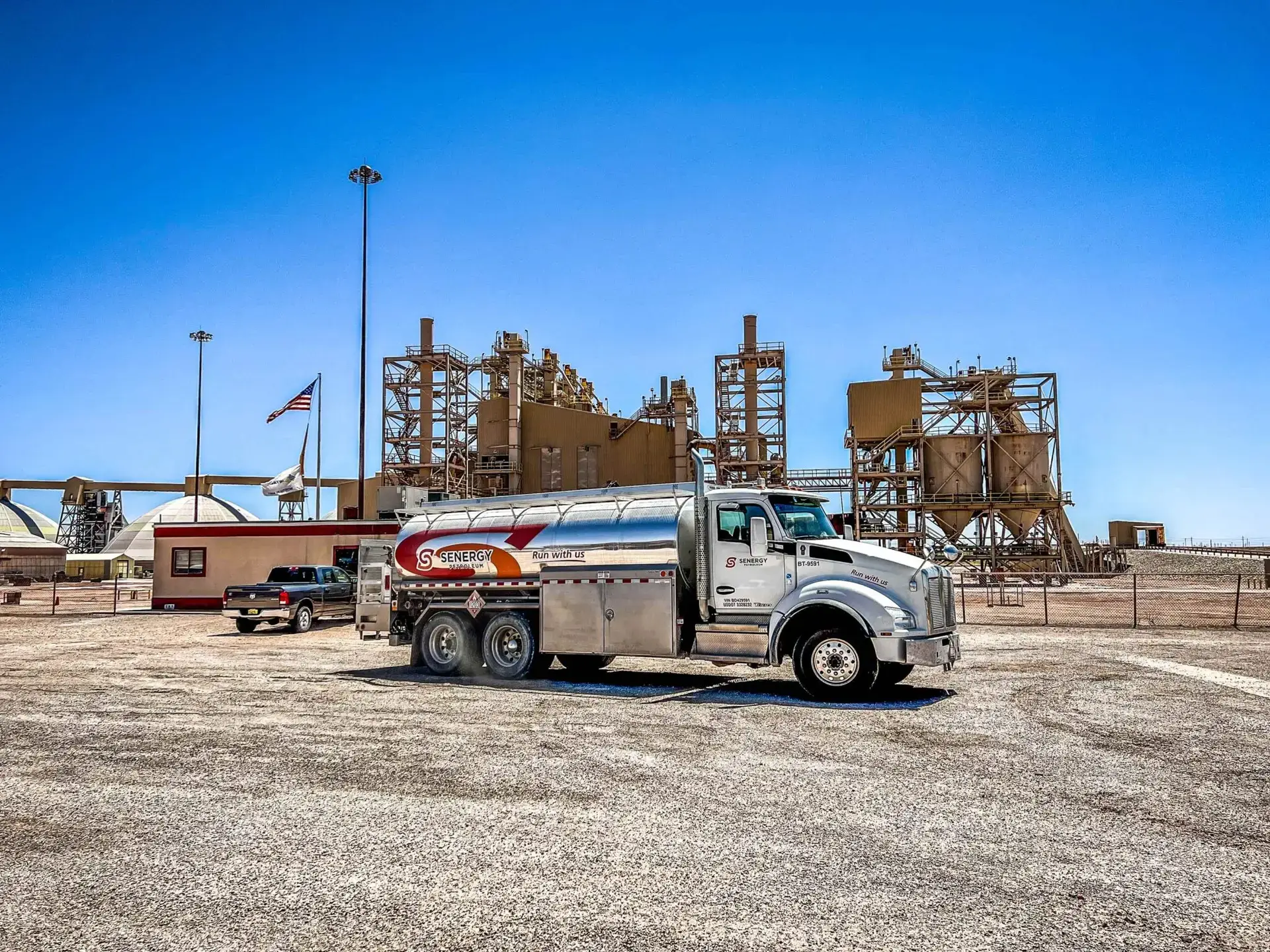
Benefits of Fuel Delivery for Your Business
Fuel plays an important role in keeping many businesses moving. Company vehicles, delivery trucks, construction equipment, generators, agricultural machinery, and other assets all depend on a steady supply. When employees have to leave a worksite or fleet yard to refuel, the time involved can quickly become part of the operating cost.
Having fuel delivered directly to a business location offers a practical alternative. Depending on the operation, fuel can be delivered to a storage tank, fleet yard, job site, or equipment location. This makes it easier to plan fueling around the workday instead of making fueling trips whenever a vehicle or machine needs to be filled.
For businesses that use fuel regularly, a well-organized delivery program can help reduce wasted time, simplify fuel management, and keep vehicles and equipment ready for work
Overview
- Fuel delivery brings fuel directly to your business, fleet yard, job site, or equipment location.
- It can reduce unnecessary fueling trips, save employee time, and help keep vehicles and equipment working.
- Bulk purchasing and planned deliveries can make fuel costs and inventory easier to manage.
- Fuel tracking, tank monitoring, and scheduled deliveries can improve control over fuel usage.
- A reliable fuel supply can help businesses prepare for busy periods, remote operations, and unexpected fuel needs.
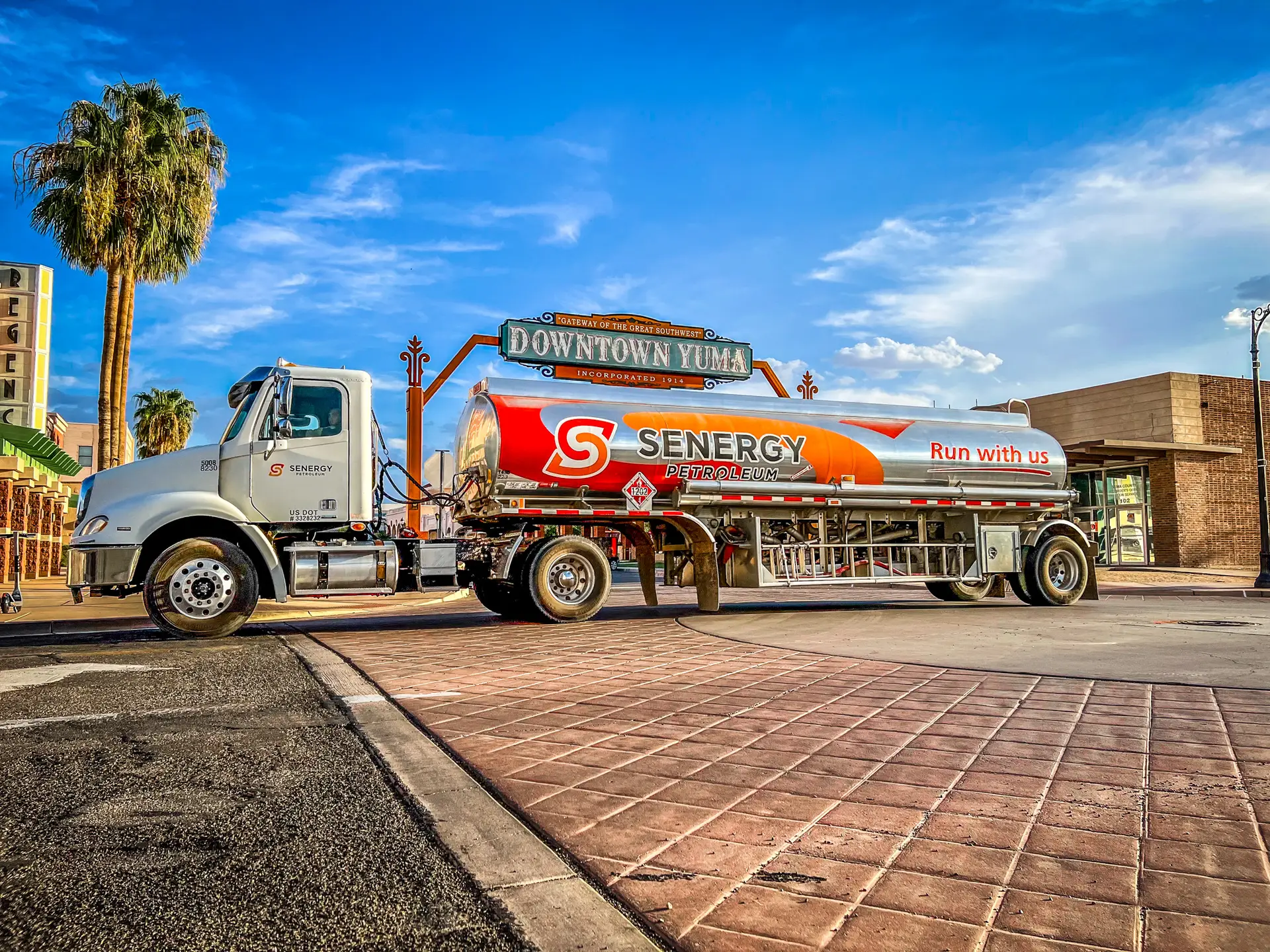
Save Time and Reduce Fueling Trips
A trip to the gas station involves more than the time spent at the pump. Drivers have to leave their route or workplace, travel to the station, wait for an available pump, refuel, and return to their original location. When this happens across a fleet, those individual trips can add up.
Fuel delivered directly to the workplace can remove much of this extra travel. Vehicles can be fueled at a fleet yard, while equipment can be serviced at the location where it is being used. Employees spend less time handling fuel runs and more time on their regular responsibilities.
This can be especially useful for businesses with demanding schedules. A delivery company can keep vehicles on schedule, a contractor can keep equipment at a job site, and an agricultural operation can avoid sending machinery away from the field simply to find fuel.
Lower the Hidden Cost of Fueling
The price paid for fuel is only one part of the total cost of keeping vehicles and equipment fueled. Businesses also have to account for employee time, vehicle mileage, maintenance, and the productivity lost during unnecessary trips.
Bulk purchasing may offer another opportunity to manage costs. Businesses with steady fuel consumption and suitable storage capacity can purchase larger quantities instead of repeatedly buying smaller amounts at retail locations. Depending on market prices, order volume, delivery charges, and supplier terms, bulk purchasing may provide a more suitable cost structure.
Fuel Delivery can also make fuel expenses easier to plan. Businesses can establish delivery schedules based on their normal consumption and monitor how much fuel they use over time. This creates a clearer picture of fuel spending and can make budgeting more predictable.
The actual savings will vary from one business to another, so it is important to consider the full cost of delivery, storage, fuel, and handling rather than looking only at the price per gallon
Keep Vehicles and Equipment Ready
Fuel availability directly affects productivity. A vehicle with an empty tank cannot complete its route, and equipment without fuel may sit idle when there is work waiting to be done.
A planned supply of fuel helps businesses avoid these situations. Deliveries can be arranged according to fuel consumption, storage capacity, fleet size, and operating hours. Recurring deliveries can be useful for businesses that have relatively consistent fuel requirements.
On-site fueling can also be valuable when equipment operates away from public fueling stations. Construction machinery, agricultural equipment, generators, and industrial vehicles may spend most of their working time at locations where a traditional gas station is not convenient.
Keeping fuel available where it is needed means employees do not have to interrupt their work simply to find a place to refuel.
Simplify Fuel and Fleet Management
Managing fuel becomes more complicated as the number of vehicles and equipment increases. A business may have several types of vehicles, different fuel requirements, multiple operating locations, and varying levels of consumption.
A consistent fueling process can make these responsibilities easier to manage. Businesses can keep records of fuel deliveries, monitor storage levels, review consumption, and plan future orders based on actual usage.
Tank monitoring can provide additional visibility into fuel inventory. Instead of depending entirely on manual tank checks, businesses can use monitoring systems to track fuel levels and identify when another delivery may be required.
Fuel tracking can also help managers understand where fuel is going. Delivery records, consumption information, and vehicle usage data can make it easier to review expenses and investigate unexpected changes in fuel consumption.
Better information does not just help with accounting. It can also support decisions about delivery frequency, storage requirements, and future fuel purchases.
Support Different Business Needs
Fuel requirements vary widely across industries. There is no single fueling approach that works for every company.
A trucking or logistics business may need regular diesel for a fleet of commercial vehicles. A construction company may require fuel for excavators, bulldozers, cranes, generators, and other heavy equipment. Farms may use fuel for tractors, harvesting machinery, irrigation equipment, and other agricultural assets.
Manufacturing facilities, warehouses, and distribution centers can also have ongoing fuel requirements. Backup generators are another important consideration for facilities that need power during an outage or other disruption.
Businesses may use different fuel products depending on their equipment and application. These can include gasoline, on-road diesel, off-road dyed diesel, renewable diesel, biodiesel, and Diesel Exhaust Fluid (DEF).
Choosing a supplier that can accommodate the required fuel types, delivery locations, quantities, and schedules can make the process easier for businesses with varied needs.
Build a More Reliable Fuel Supply
Running out of fuel can create problems that extend beyond a single vehicle or piece of equipment. A low tank at the wrong time can delay a delivery, stop machinery at a job site, or leave a backup generator without enough fuel when it is needed.
A planned delivery schedule can reduce the chance of these interruptions. Businesses can arrange deliveries around expected consumption instead of waiting until tanks are nearly empty.
Some businesses may benefit from recurring deliveries, while others may need occasional or emergency service. The right schedule depends on fuel usage, storage capacity, operating hours, and the availability of alternative fueling options.
Emergency supply can be particularly useful during severe weather, power outages, unexpected demand, or other situations that increase fuel requirements. Having a supplier and delivery plan already established can make it easier to respond when additional fuel is needed.
The goal is not simply to store as much fuel as possible. A better approach is to maintain an appropriate supply that matches actual consumption and available storage.
Make Fueling Part of a Smarter Business Plan
Fueling may seem like a routine responsibility, but it can influence productivity, scheduling, labor, and operating expenses. For businesses that rely heavily on vehicles and equipment, the time spent making fueling trips can become a recurring burden.
Commercial Fuel Delivery gives businesses another way to organize this part of their operations. Fuel can be brought directly to a fleet yard, workplace, storage tank, or job site, allowing businesses to schedule fueling around their normal activities.
Before selecting a supplier, businesses should look at more than the advertised price. Delivery fees, fuel types, minimum order requirements, storage capacity, delivery frequency, service area, emergency availability, reporting options, and supplier reliability can all affect the overall value.
The right solution will depend on the business. A small company with easy access to nearby fueling stations may have different requirements from a large fleet, remote construction operation, farm, or industrial facility.
For businesses that regularly depend on fuel, making the supply process more organized can remove unnecessary work from the daily schedule. With the right delivery plan, vehicles and equipment can stay ready for use, employees can spend less time on fueling trips, and managers can gain better control over fuel inventory and spending.