
Choosing the Right Lubricants for Recreational Vehicles
If you work in agriculture, construction, mining, or industrial operations, you’ve likely come across dyed diesel. This specialized fuel plays a major role in keeping off-road equipment running while helping businesses reduce operating costs through tax exemptions. Although it looks different from regular diesel because of its red coloring, the fuel itself performs much like standard Ultra Low Sulfur Diesel (ULSD) when used in approved equipment. The difference lies in how it is taxed and where it can legally be used.
For equipment owners, fleet managers, and business operators across the United States, understanding the rules surrounding dyed diesel is just as important as knowing how to maintain machinery. Misusing this fuel on public highways can lead to significant fines, while using it correctly can lower fuel expenses and support regulatory compliance. Whether you’re fueling tractors, excavators, or backup generators, knowing the regulations helps protect your business and keeps operations running smoothly.
What Makes Dyed Diesel Different from Regular Diesel?
At first glance, the most noticeable difference is the red dye added to the fuel. The coloring, commonly produced using Solvent Red 26 or Solvent Red 164, allows inspectors to quickly identify fuel intended for non-highway applications. Despite its appearance, off-road diesel has nearly the same performance characteristics as clear diesel when both meet current ULSD standards.
The real distinction comes from taxation. Clear diesel sold for highway vehicles includes federal and state road taxes, while dyed diesel is exempt from many of these taxes because it is reserved for equipment that does not operate on public roads. This tax status makes it a practical choice for industries such as agriculture, construction, forestry, mining, marine operations, and Power Generation, where heavy equipment spends most of its time on private property or designated job sites.
Where Off-Road Diesel Can Be Used Legally
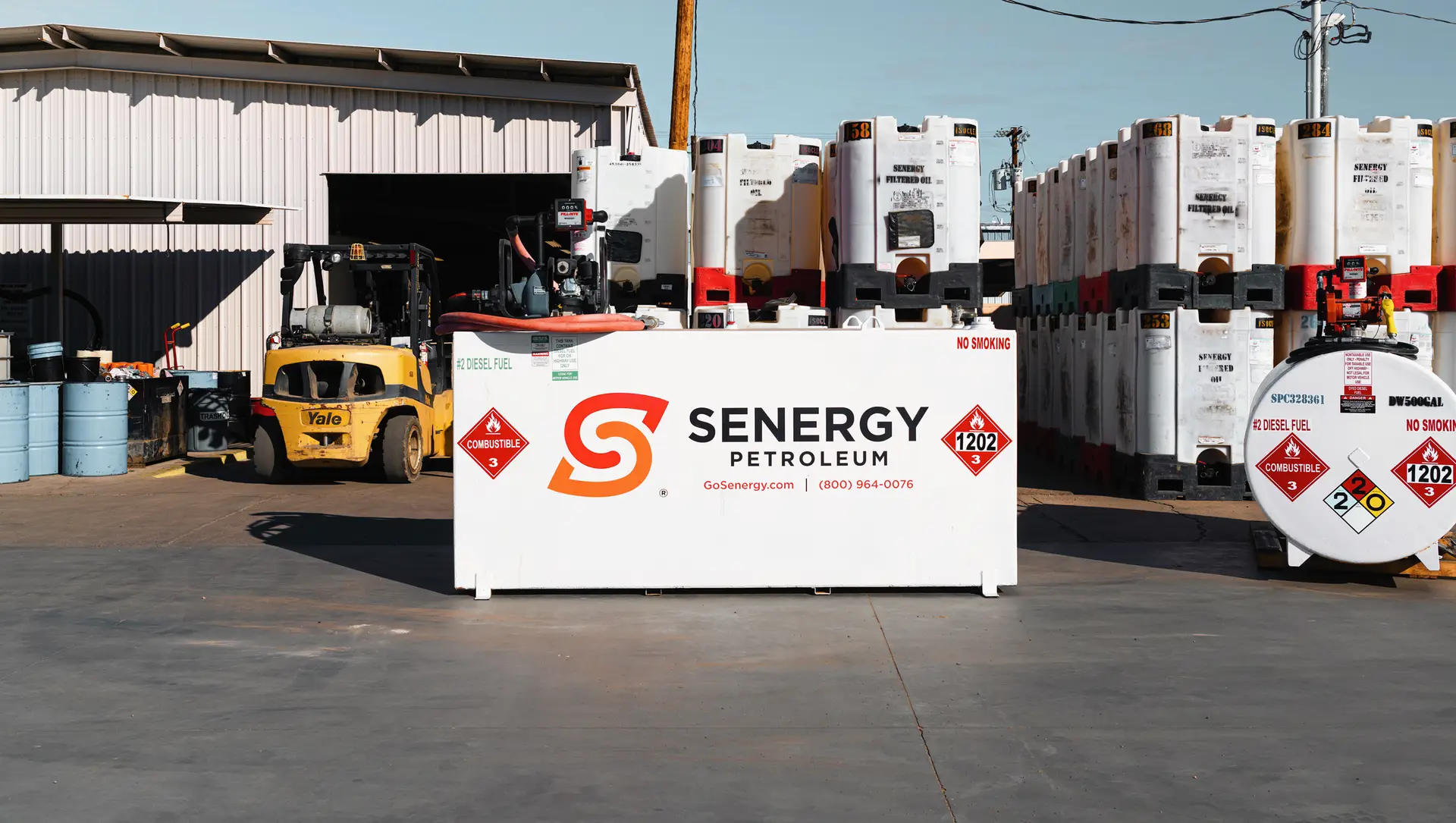
Federal guidelines allow off-road diesel to be used in equipment that does not travel on public highways. Common examples include tractors, bulldozers, excavators, skid steers, harvesters, cranes, irrigation pumps, forklifts, compressors, marine vessels, locomotives, and stationary generators. These machines perform demanding work without contributing to highway wear, making them eligible for tax-exempt fuel.
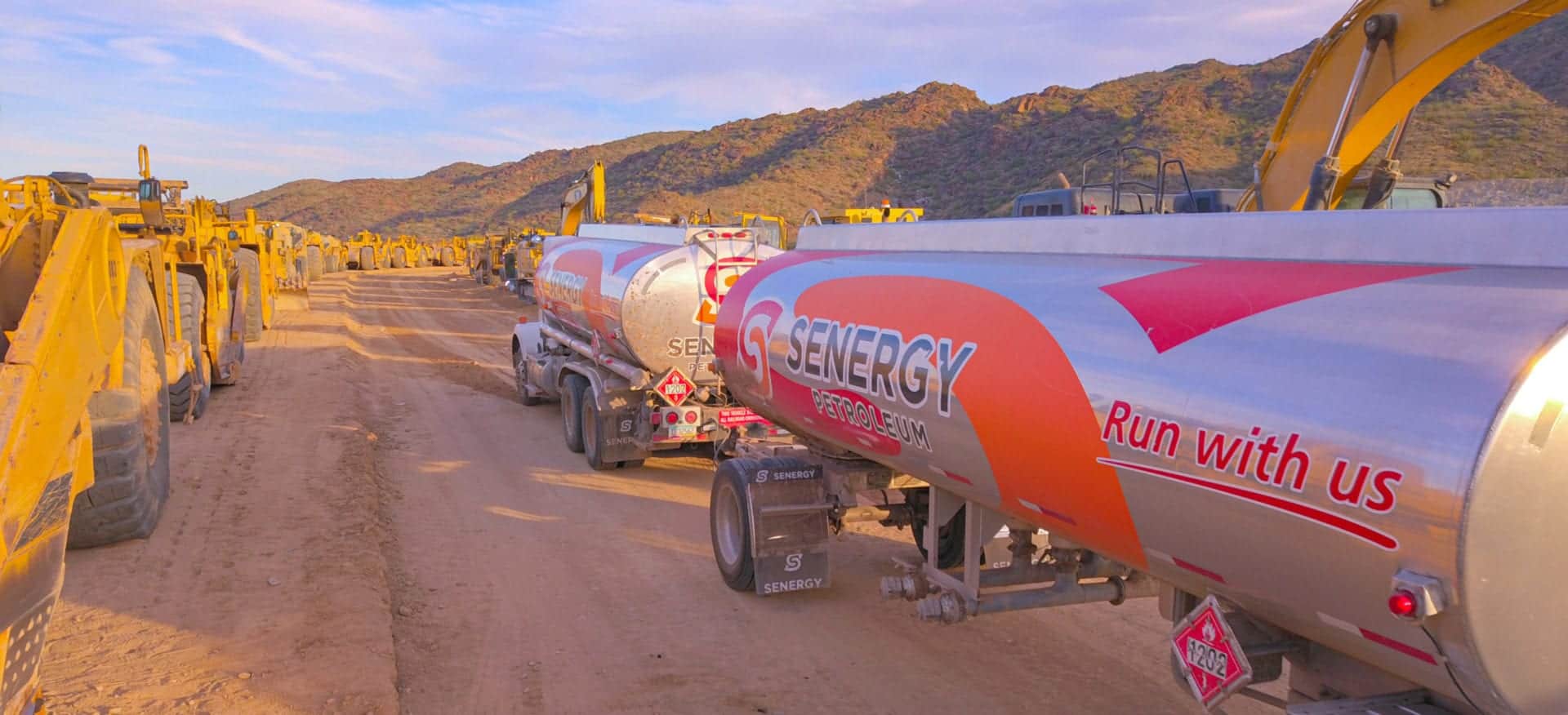
Many industries rely on this fuel every day. Farms use it during planting and harvesting seasons, construction companies fuel heavy machinery throughout major infrastructure projects, while mining and forestry businesses depend on it for continuous operations. It is also widely used in Oil Field Services, where drilling equipment and support machinery often operate in remote locations away from public roads.
Regulations and Fuel Compliance Requirements in the United States
The Internal Revenue Service (IRS), Environmental Protection Agency (EPA), Department of Transportation (DOT), and individual state tax agencies all play a role in regulating fuel compliance. The IRS oversees fuel taxation, while the EPA establishes emissions standards that apply to diesel fuels and engines. States may also enforce additional tax and inspection requirements depending on local laws.
Businesses using dyed diesel should maintain accurate fuel purchase records, store fuel in clearly marked tanks, and ensure that only qualified equipment receives tax-exempt fuel. Routine inspections may involve fuel sampling, and inspectors can quickly detect dyed fuel in highway vehicles. Maintaining proper documentation and following federal and state regulations helps businesses avoid unnecessary legal and financial risks while demonstrating responsible fuel management.
Benefits of Choosing Dyed Diesel for Off-Road Equipment
One of the biggest advantages of dyed diesel is cost savings. Since it is exempt from many highway fuel taxes, businesses that consume large fuel volumes can significantly reduce operating expenses over time. These savings become especially valuable for industries running multiple machines every day, including agriculture, construction, industrial facilities, and marine operations.
Beyond financial benefits, the fuel delivers dependable performance for diesel engines designed to operate under heavy workloads. Modern ULSD-based off-road diesel supports equipment reliability while meeting environmental standards established for today’s engines. Reliable fuel distribution networks and bulk fuel delivery services also make it easier for organizations to maintain consistent operations without frequent interruptions.
Penalties for Misuse and Best Practices for Safe Handling
Although the tax savings are attractive, using dyed diesel in licensed highway vehicles is prohibited. Federal and state enforcement agencies regularly perform roadside inspections and fuel tests. If dyed fuel is found in an on-road vehicle, owners may face substantial civil penalties, tax assessments, and additional enforcement actions. Repeated violations can result in even greater financial consequences depending on state laws and the circumstances involved.
Proper storage and handling also matter. Fuel should be kept in approved storage tanks, protected from contamination, and clearly labeled to prevent accidental misuse. Businesses should train employees on fueling procedures, maintain clean dispensing equipment, and regularly inspect storage systems for leaks or spills. Good storage practices protect fuel quality while supporting environmental responsibility and long-term equipment performance.
Comparing Dyed Diesel with Clear Diesel
Mechanically, there is little difference between dyed diesel and clear diesel when both meet the same fuel specifications. Both fuels can provide similar engine performance, fuel economy, and reliability. The primary distinction remains their intended application and tax classification rather than engine capability. For approved off-road equipment, the red dye has no negative effect on combustion or engine durability.
Business owners should choose fuel based on how equipment is used rather than price alone. Highway trucks require taxed clear diesel, while qualified agricultural, construction, marine, and industrial equipment can legally use tax-exempt fuel. Understanding these differences helps companies remain compliant while controlling operating costs. Before purchasing fuel, always confirm applicable federal and state requirements, since regulations can vary by jurisdiction and industry.
Final Thoughts
Understanding dyed diesel goes beyond recognizing its red color. It involves knowing where the fuel can be used, how tax exemptions work, and why regulatory compliance matters. Businesses operating tractors, excavators, generators, marine equipment, and other heavy machinery benefit from lower operating costs when they use the correct fuel in approved applications while following all applicable laws.
As regulations continue to evolve, maintaining strong fuel compliance practices remains essential for every organization that depends on off-road diesel. Keeping accurate records, training employees, following storage best practices, and understanding federal and state requirements help reduce risk while supporting efficient operations. When used responsibly, this specialized fuel remains a practical and economical solution for industries that rely on dependable off-road equipment throughout the United States.
