How DEF Helps Protect Modern Diesel Engines
Modern diesel engines are built to deliver dependable power while meeting strict emissions requirements across the United States. Whether they are used in heavy-duty trucks, commercial fleet vehicles, pickup trucks, agricultural equipment, construction equipment, or diesel generators, today’s engines rely on advanced emissions technology to operate efficiently. One of the most important parts of that system is diesel exhaust fluid, which works alongside SCR systems to reduce harmful emissions without sacrificing engine performance.
As environmental standards continue to evolve, businesses and fleet operators have placed greater importance on reliable DEF delivery to keep vehicles running without interruption. Using high-quality fluid, following proper maintenance practices, and understanding how the system works can help protect valuable equipment, reduce repair costs, and improve long-term reliability. This guide explains how DEF supports modern diesel engines and why it remains an essential part of today’s diesel technology.
Understanding How DEF Works in Modern Diesel Engines
Modern diesel engines create nitrogen oxides (NOx) during combustion. These emissions contribute to air pollution and are regulated under EPA emissions standards and CARB requirements. To meet these regulations, manufacturers use Selective Catalytic Reduction technology, commonly known as SCR systems, to convert harmful gases into harmless nitrogen and water vapor before they leave the exhaust pipe.
Diesel exhaust fluid is a carefully prepared mixture containing 32.5% high-purity urea and 67.5% deionized water that meets ISO 22241 specifications. After the engine produces exhaust gas, the DEF injector sprays a precise amount of fluid into the exhaust stream. Inside the SCR catalyst, a chemical reaction breaks down nitrogen oxides, helping diesel engines meet emissions standards while maintaining strong engine performance and fuel economy.
How DEF Protects Engine Components
The role of diesel exhaust fluid extends well beyond emissions control. By supporting properly functioning SCR systems, DEF helps protect important aftertreatment components such as the SCR catalyst, DEF pump, DEF injector nozzle, DEF heater, NOx sensor, DEF level sensor, and DEF quality sensor. These parts work together to keep the diesel emission system operating efficiently under a wide range of driving conditions.
When quality DEF is consistently available through dependable DEF delivery, the engine control module can accurately manage exhaust aftertreatment. This reduces the risk of catalyst damage, injector clogging, engine derate, and reduced engine power. Maintaining a healthy emissions system also contributes to engine longevity, lowers unnecessary wear on emission components, and helps avoid expensive repairs that could impact fleet operations.
Why Proper DEF Handling Matters
Even the best emissions technology depends on proper handling practices. DEF contamination from dirt, fuel, or untreated water can reduce catalyst efficiency and trigger warning lights or vehicle diagnostics. Using approved storage tanks, clean dispensers, and sealed DEF containers helps maintain product purity and protects sensitive engine sensors.
Temperature also affects storage conditions. Although DEF freezes at approximately 12°F (-11°C), the fluid returns to normal performance once thawed without losing quality. Proper storage away from excessive heat extends shelf life and helps preserve fluid effectiveness. Regular DEF top-offs, scheduled maintenance, leak inspections, and system cleaning all contribute to dependable engine performance throughout the year.
The Value of Reliable DEF Supply for Fleets
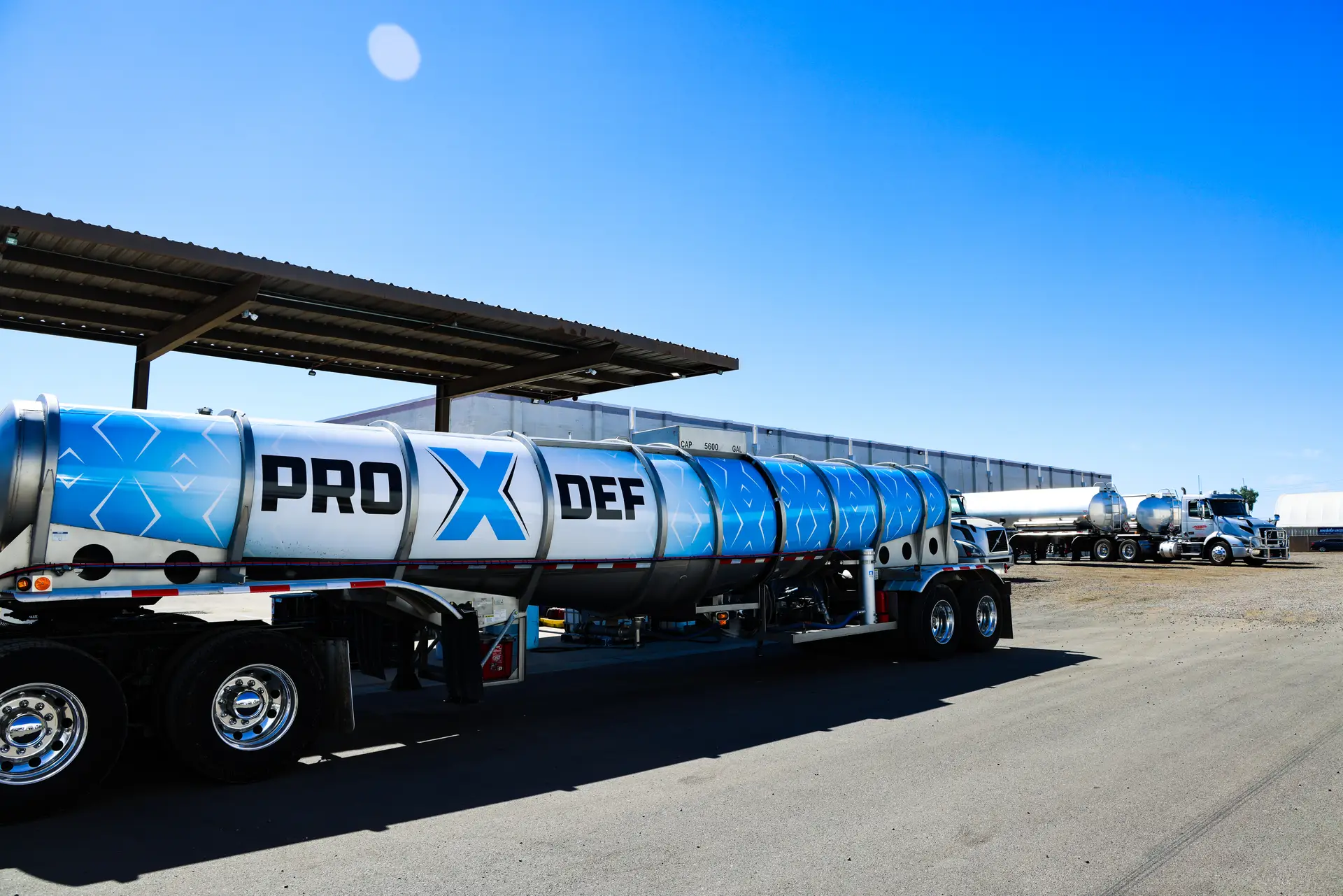
Commercial fleets depend on consistent DEF delivery to keep trucks and equipment operating on schedule. Delayed refills or poor-quality fluid can lead to unexpected downtime, maintenance issues, and costly repairs. Fleet managers often combine fuel management with DEF supply to simplify operations and ensure every vehicle remains compliant with federal emissions requirements.
Many organizations also integrate DEF planning into their Bulk Fuel Delivery programs, allowing diesel fuel and DEF to be supplied together from trusted providers. This approach improves inventory control, reduces emergency purchases, and supports preventive maintenance across fleets operating Freightliner, Peterbilt, Kenworth, Volvo Trucks, International Trucks, Mack Trucks, Cummins-powered equipment, Caterpillar machines, John Deere tractors, and other diesel-powered assets.
Common DEF Issues and How to Prevent Them
Most DEF-related problems can be avoided with routine inspections and good maintenance habits. Drivers should never fill the DEF tank with diesel fuel or allow contaminants to enter the system. Using only certified fluid that meets ISO 22241 standards protects the dosing module, DEF pump, catalyst converter, oxygen sensor, exhaust temperature sensor, and other critical components.
If a DEF warning light appears, it should be addressed promptly. Ignoring low fluid levels or system faults may eventually cause engine derate, limiting vehicle speed until repairs are completed. Monitoring DEF consumption, replacing worn filters, checking exhaust flow, and following manufacturer maintenance schedules help minimize unexpected breakdowns while extending the life of the emissions system.
Long-Term Benefits for Equipment Owners
Investing in proper DEF delivery and high-quality diesel exhaust fluid provides long-term value for equipment owners across many industries. Whether operating pickup trucks, mining equipment, agricultural machinery, or commercial transportation fleets, businesses benefit from improved reliability, reduced maintenance costs, and fewer interruptions caused by emissions-related failures.
Well-maintained SCR systems also support cleaner air by reducing greenhouse gas emissions, smog-forming pollutants, and harmful nitrogen oxides. At the same time, operators gain better equipment uptime, lower operating costs, and improved fleet performance while remaining compliant with environmental regulations. As diesel technology continues to advance, proper DEF management will remain one of the simplest and most effective ways to protect modern diesel engines and maximize the return on every piece of diesel-powered equipment.