
Bulk Fuel Delivery: How It Keeps Businesses Running Smoothly
No business can afford downtime, particularly in transportation, heavy machinery, construction, power generation, and large fleet operations. As a result, bulk fuel delivery has become a critical component of day-to-day operations, helping organizations maintain productivity and reduce operational interruptions. Across industries such as construction, logistics, agriculture, manufacturing, and fleet transportation, fuel serves as an essential resource that keeps operations moving.
Bulk fuel delivery supports efficiency by eliminating the need for repeated trips to retail fueling stations. Instead of diverting time and resources to off-site fueling, fuel is delivered directly to the job site or facility, allowing teams to remain focused on core operational tasks. This streamlined approach improves workflow efficiency and reduces unnecessary delays.
Another key advantage of commercial fueling is improved planning and inventory management. Deliveries can be scheduled based on operational demand, helping prevent unexpected shortages that can slow projects or disrupt production. With a consistent and reliable fuel supply, equipment, vehicles, and production systems remain operational.
Advancements in logistics and delivery systems have further strengthened the reliability and precision of bulk fuel distribution, enabling businesses to better manage fuel supply needs at scale.
Improving Reliability Through Fuel Management
When drivers operating large fleets are required to refuel at retail stations, significant time is lost in transit and waiting. These delays increase labor costs and reduce overall operational efficiency. On-site or scheduled fuel delivery eliminates unnecessary trips, allowing employees to remain focused on job sites, production tasks, or customer support activities.
Another key advantage is improved fuel management consistency. With scheduled deliveries, businesses can maintain stable fuel levels throughout the month, reducing the risk of shortages and minimizing the need for emergency purchases. This structured approach supports operational stability across transportation, mining, construction, and agriculture sectors.
Fuel suppliers provide access to diesel, gasoline, and specialty fuels delivered at the right time and location based on operational needs. Many suppliers also offer monitoring systems that track fuel usage and delivery patterns, enabling businesses to better manage consumption and reduce inefficiencies.
How Commercial Fueling Improves Daily Operations
Commercial fueling has significantly transformed fleet and heavy equipment operations. Rather than relying on traditional retail fueling stations, businesses now receive fuel directly at worksites, terminals, warehouses, and operational yards. This approach improves efficiency and supports more streamlined day-to-day operations.
One of the primary operational advantages is reduced downtime. Vehicles and equipment can remain in service for longer periods, as refueling is completed on-site or outside of active working hours. Drivers begin shifts with fully fueled vehicles, which supports productivity and helps maintain consistent scheduling.
Commercial fueling also improves operational consistency. Organizations managing multiple vehicles or equipment units can follow structured fueling schedules, reducing the risk of interruptions caused by fuel shortages. This is especially important in industries with strict deadlines such as logistics, transportation, and construction.
Another key benefit is improved fuel accountability. Digital tracking systems allow fuel usage to be monitored by vehicle, department, or project. This level of visibility helps reduce misuse and unnecessary consumption while supporting more accurate reporting. Real-time fuel data enables managers to make more informed operational decisions.
Overall, commercial fueling supports more reliable service delivery. Freight and goods move on schedule, construction projects stay on track, and backup power systems remain prepared for critical situations.
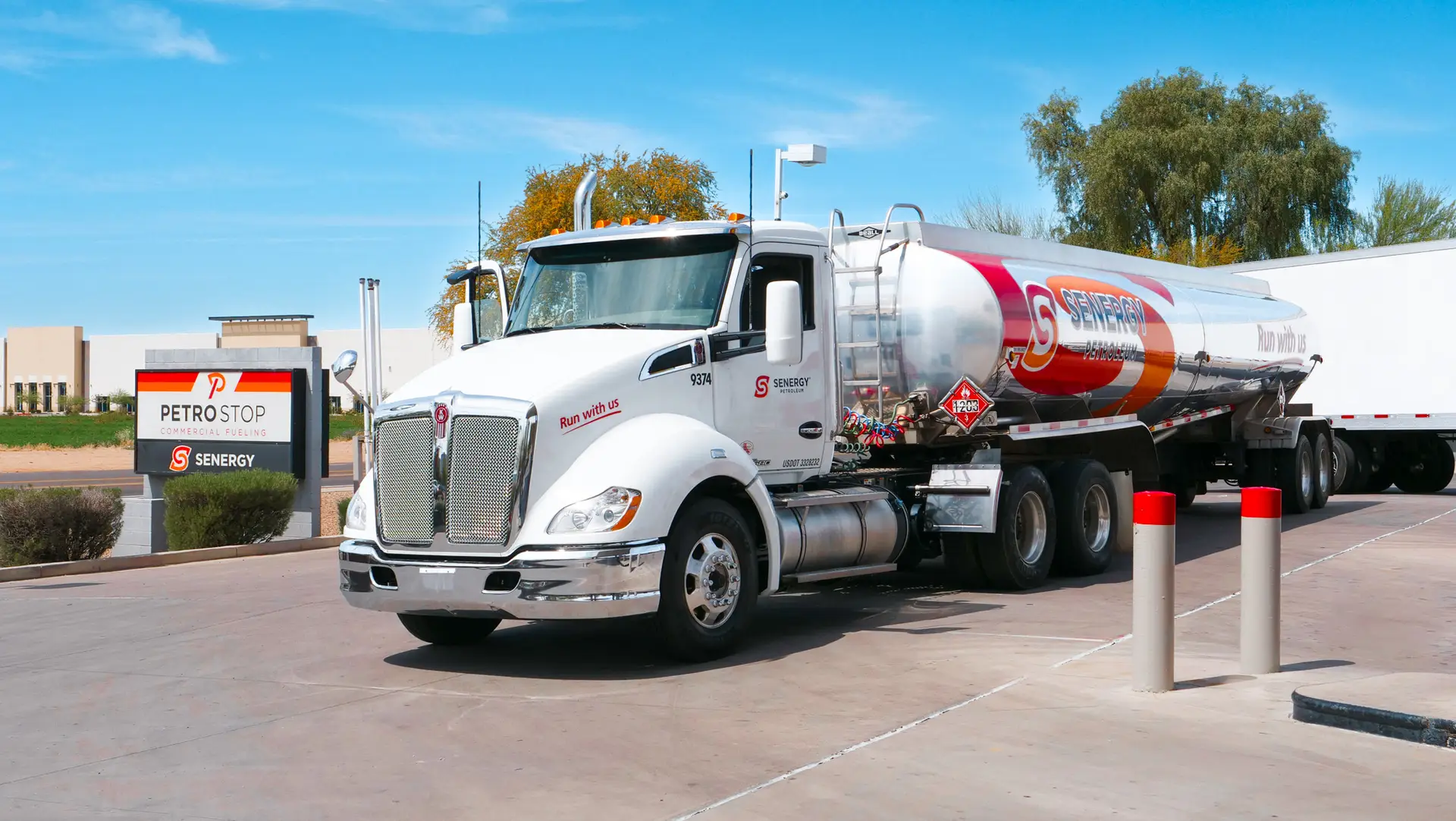

The Role of Logistics in Bulk Fuel Management
Efficient logistics are essential to successful bulk fuel delivery. Without proper planning and coordination, businesses can experience delivery delays, supply inconsistencies, and operational disruptions. To prevent these issues, fuel suppliers rely on modern logistics systems designed to improve speed, accuracy, and reliability.
Today’s fuel logistics operations incorporate route optimization, digital scheduling, GPS tracking, and demand forecasting. These tools help ensure fuel is delivered efficiently and on time, while reducing the risk of service interruptions. The result is faster response times and more consistent fuel availability for businesses.
A major advantage of strong logistics planning is improved emergency response capability. Fuel providers can quickly allocate and redirect resources during severe weather events, power outages, or unexpected spikes in demand. This level of responsiveness is especially critical for operations that rely on backup generators or continuous transportation services.
Inventory management also plays a key role in effective fuel delivery. Suppliers monitor fuel levels and consumption patterns to help prevent shortages. Automated alerts and telemetry systems support timely replenishment, helping businesses maintain appropriate fuel reserves without overstocking.
In addition, optimized logistics improve delivery efficiency and reduce unnecessary transportation impact. More efficient routing reduces delivery times and supports cost-effective operations across the supply chain, while also improving overall service reliability for customers.
Commercial Fuels and Why Quality Matters
Commercial fuels are essential for fleets, heavy equipment, generators, marine use, and industrial machinery. Fuel quality directly affects performance, efficiency, and maintenance needs, with high-quality fuel helping reduce mechanical issues and improve reliability.
Poor-quality fuel may contain impurities or excess water, leading to engine damage, reduced efficiency, and costly downtime. Reliable suppliers use strict quality control to ensure consistent fuel performance and protect equipment.
Diesel is widely used across transportation, construction, agriculture, and logistics for its efficiency and durability, while gasoline supports lighter vehicles and specialized equipment. Many suppliers also offer seasonal blends to improve performance in extreme temperature conditions.
Lubricants That Protect Heavy Equipment and Fleets
In commercial operations, lubricants are as important as fuel. While fuel powers equipment, lubricants reduce friction, prevent overheating, and limit wear between moving parts. Without proper lubrication, performance declines and the risk of costly failures increases.
High-quality lubricants support reliable operation across industries such as transportation, mining, manufacturing, agriculture, and logistics. Engine oil, hydraulic fluid, transmission fluid, and grease all help protect critical systems under heavy use.
They also reduce equipment wear by preventing metal-to-metal contact, extending equipment life, and lowering maintenance needs. Proper lubrication improves efficiency by reducing resistance and helping machinery run more smoothly and consistently.
The Importance of Clean Fluid Solutions
