
Why Reliable Bulk Fuel Delivery Is Critical for Industrial Operations
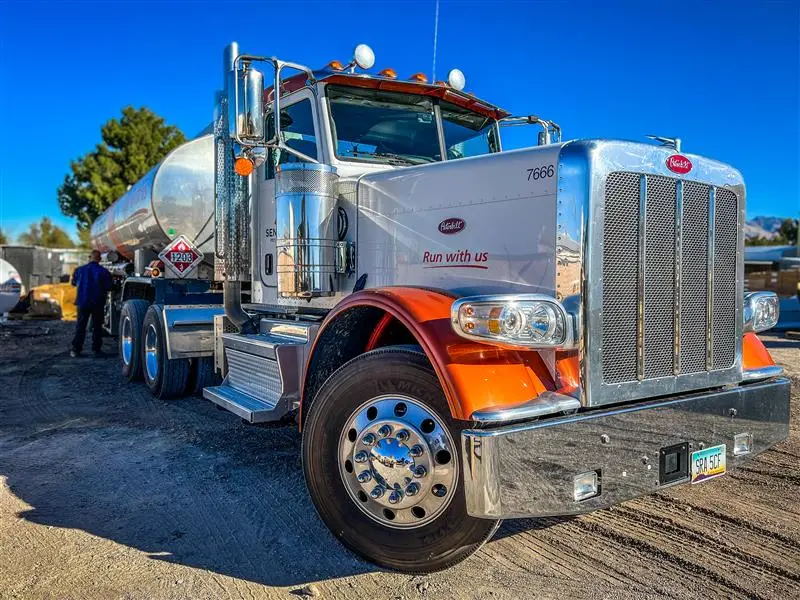
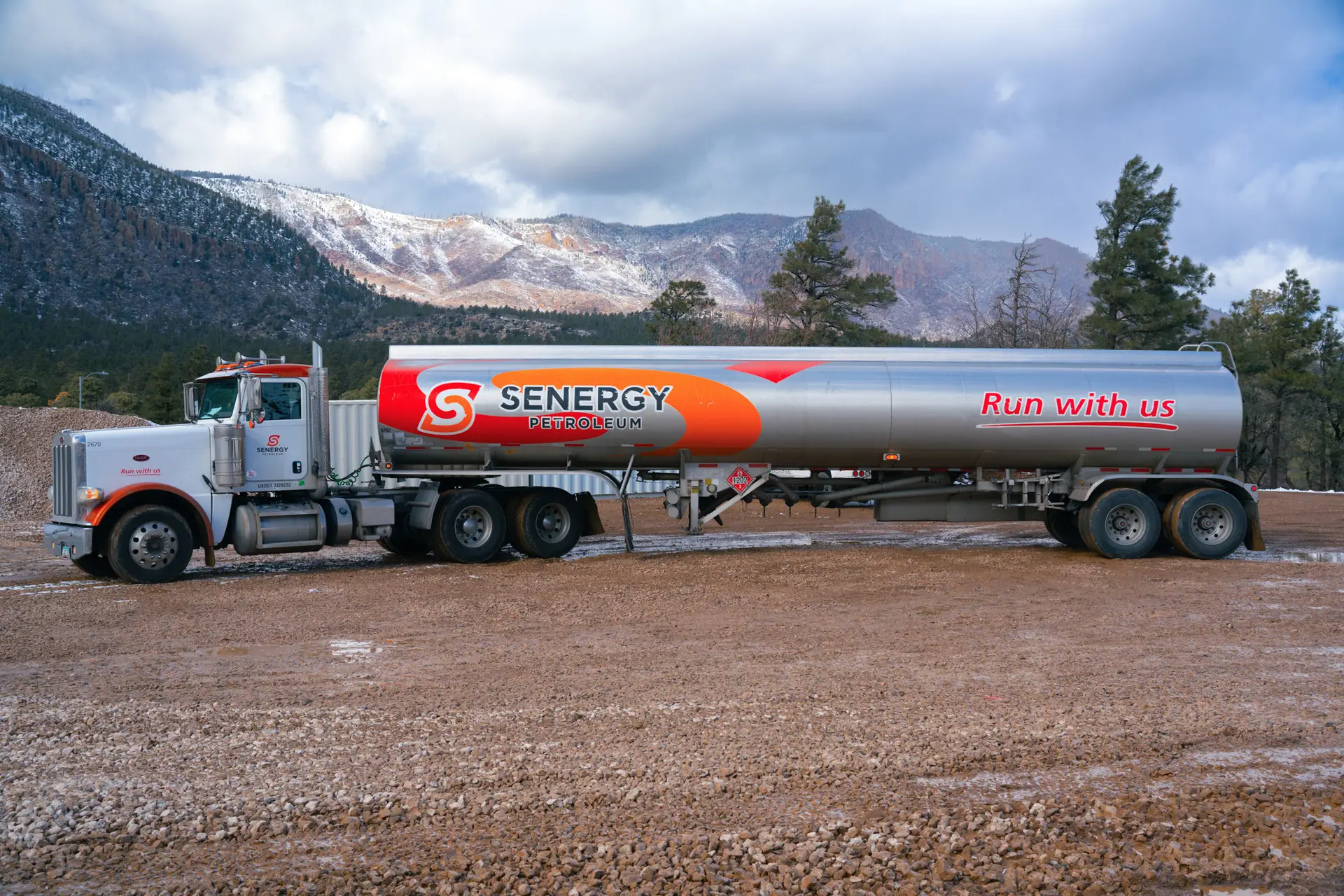
Bulk fuel delivery is more than a supply method; it serves as a critical backbone for modern industrial operations. Sectors such as construction, logistics, mining, and manufacturing rely on consistent fuel access to keep operations running without interruption. Without a dependable bulk fuel delivery system, even the most advanced equipment can become underutilized, resulting in operational delays, inefficiencies, and increased costs.
At its core, bulk fuel delivery involves the direct transport of large fuel volumes to job sites or storage facilities. This approach reduces reliance on retail fueling stations and helps maintain a steady, predictable supply chain. Organizations that implement bulk delivery systems are able to reduce refueling downtime and keep crews focused on production rather than fuel logistics.
In addition, bulk delivery supports broader fuel management strategies by helping operations better track usage, anticipate demand, and coordinate supply schedules. In high-demand environments where downtime directly impacts productivity, a structured fuel delivery system plays a key role in maintaining operational continuity.
Overall, bulk fuel delivery functions as a foundational component of industrial efficiency. It shifts fuel management from a reactive task to a planned, strategic system that supports consistent performance and long-term operational stability.
The Importance of Reliable Commercial Diesel Supply
Downtime remains one of the most costly challenges in industrial operations, and inconsistent fuel access is a leading contributor. A reliable commercial diesel supply ensures that equipment, generators, and fleet vehicles remain fully operational and ready to perform.
Many industries operate on strict timelines where even minor delays can disrupt broader supply chains. Dependable bulk fuel delivery systems help eliminate unnecessary refueling trips, reducing idle time and keeping operations moving. On-site fuel delivery supports higher productivity by ensuring equipment stays in service rather than in transit for refueling.
Diesel-powered equipment plays a critical role across heavy industries due to its power and durability. However, without a consistent fuel supply, operational performance can quickly be compromised. A structured supply system helps prevent fuel shortages that could otherwise interrupt production during peak demand periods or challenging operating conditions.
A coordinated fuel logistics strategy further strengthens reliability by aligning delivery schedules with actual consumption patterns. This proactive approach supports continuous availability and reduces the risk of unexpected supply gaps.
Overall, a reliable commercial diesel supply serves as a safeguard against operational disruption. It helps industries maintain productivity, meet project timelines, and support consistent operational performance in demanding environments.
How Bulk Fuel Delivery Improves Industrial Cost Efficiency
One of the primary advantages of bulk fuel delivery is improved cost efficiency. Purchasing fuel in larger volumes allows businesses to access more competitive per-unit pricing, helping reduce overall operational expenses.
Compared to retail fuel purchasing, bulk delivery reduces additional costs associated with repeated trips, labor allocation, and operational downtime tied to refueling activities. Bulk fuel solutions also streamline procurement, lowering both direct and indirect expenses tied to fuel management.
In addition, bulk purchasing supports greater price stability. Through structured supply agreements, businesses can secure more predictable pricing, helping reduce exposure to market fluctuations. This consistency supports more accurate budgeting and long-term financial planning.
Strong fuel management practices further enhance cost control. By tracking usage and identifying inefficiencies, organizations can reduce waste and improve operational performance. Advanced monitoring systems also provide visibility into consumption patterns, ensuring fuel usage is accurately managed across all assets.
In competitive industries where margins are closely managed, fuel cost control plays a critical role in overall profitability. Bulk fuel delivery provides both financial efficiency and operational consistency, making it a key component of effective industrial operations.
The Role of Fuel Logistics in Streamlining Industrial Operations
Managing fuel across large-scale operations can become complex without structured systems in place. Efficient fuel logistics plays a critical role in simplifying this process by centralizing fuel supply and distribution.
Rather than coordinating multiple refueling trips, businesses receive fuel directly at their job sites or storage locations. This streamlined delivery model reduces administrative workload and allows teams to stay focused on core operational priorities. Direct-to-site delivery also helps eliminate inefficiencies commonly associated with traditional fueling methods, improving overall workflow continuity.
Fuel logistics also includes delivery scheduling, inventory coordination, and supply planning. Advanced logistics systems leverage usage data to forecast demand, helping ensure fuel is delivered on time and shortages are avoided.
In addition, centralized logistics improve visibility and accountability across operations. Businesses are able to monitor fuel usage, track distribution, and maintain accurate records that support operational oversight. This level of control is essential for maintaining efficiency and reducing operational risk.
In complex industrial environments where multiple assets and sites are operating simultaneously, coordinated fuel logistics ensures consistency and reliability. It shifts fuel supply management from a reactive process to a structured, proactive system that supports sustained productivity.
How Fuel Quality Impacts Industrial Equipment Performance
Fuel quality has a direct impact on the performance and longevity of industrial equipment. Reliable bulk fuel delivery helps ensure businesses receive fuel that meets consistent quality standards while minimizing the risk of contamination.
Because bulk fuel systems involve fewer transfer points than retail fueling, there is a reduced opportunity for impurities to enter the supply chain. This results in cleaner fuel that supports stronger engine performance and helps reduce unnecessary maintenance demands.
Fuel quality is especially critical for heavy-duty machinery and diesel engines operating under demanding conditions. Inconsistent or poor-quality fuel can contribute to increased wear, reduced efficiency, and higher maintenance costs over time.
Integrated fuel management systems further strengthen quality control by monitoring storage conditions, tracking fuel integrity, and supporting proper usage practices. These systems help maintain fuel consistency from delivery through consumption, supporting equipment reliability.
Overall, reliable bulk fuel delivery is more than a matter of convenience. It is a key factor in protecting equipment assets, supporting consistent operational performance, and reducing long-term maintenance and repair costs.
Supporting Scalability and Industrial Growth
As industrial operations grow, fuel demand naturally increases. Bulk fuel delivery provides the scalability required to support expanding operations without compromising efficiency or reliability.
Unlike traditional fueling methods, bulk delivery systems can be adjusted to meet changing consumption needs. Whether a business is expanding its fleet, increasing production output, or adding new sites, fuel supply can be scaled accordingly to match operational requirements.
Scalability also applies to on-site storage solutions. Businesses can implement larger storage tanks or integrate advanced monitoring systems to manage higher fuel volumes effectively. This flexibility helps ensure fuel availability keeps pace with operational growth.
In addition, scalable fuel logistics systems support multi-site coordination. Centralized oversight allows for more efficient distribution, improved scheduling, and consistent fuel availability across all locations.
In competitive industrial environments, the ability to scale quickly and efficiently is essential. Bulk fuel delivery provides the infrastructure needed to support that growth, making it a key component of long-term operational stability and performance.
Technology in Industrial Fuel Management
Fleet fluid management has a direct impact on operational costs and overall profitability. Well-maintained vehicles experience fewer breakdowns, lower repair expenses, and improved fuel efficiency.
Poor fluid maintenance, however, can lead to serious issues including engine damage, transmission failure, and overheating—disrupting operations and increasing downtime in commercial fleets.
Proper maintenance also supports safer, more reliable operations by reducing the risk of mechanical failure and helping fleets remain compliant with industry standards.
Overall, consistent management of motor oil, transmission fluid, and coolant is a strategic investment that improves efficiency, reliability, and long-term fleet performance.