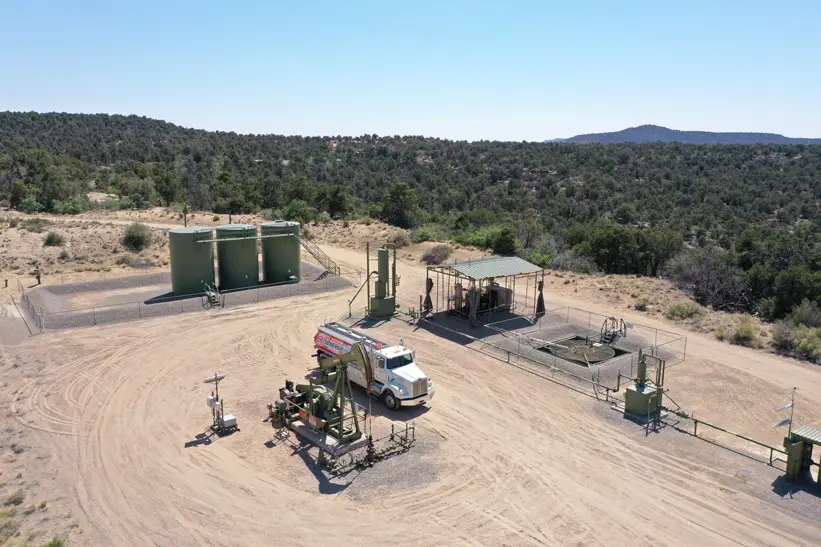
The Importance of Consistent Fuel Supply in Oil Field Services
Fuel in oilfield services is not just a resource—it is the foundation of operations. From drilling rigs to transport fleets, a consistent fuel supply directly determines whether operations run smoothly or come to a standstill. Even the most advanced equipment becomes idle without reliable fuel delivery, leading to costly downtime and operational delays.
Oilfield environments are often remote, making fuel supply more complex than in urban industries. Any disruption in delivery can halt drilling activity, delay project timelines, and significantly increase operational costs. Effective supply chain logistics are essential to maintaining operational stability and minimizing interruptions in oil and gas operations.
Fuel supply is also directly tied to productivity. A consistent and predictable fuel source allows operations to be planned with greater accuracy, reducing inefficiencies and improving overall performance. In contrast, inconsistent supply forces reactive planning, which increases costs and reduces reliability across the operation.
Ultimately, maintaining a dependable fuel supply is about more than keeping equipment running—it supports the overall efficiency and continuity of oilfield operations in demanding environments.
The Part of Oil Field Fuel Delivery Systems
Oilfield fuel delivery systems are designed to supply fuel to remote and challenging locations without interruption. These systems rely on coordinated logistics networks that include tanker trucks, pipelines, and storage facilities, all working together to maintain a consistent and reliable fuel supply.
Due to the demanding nature of oilfield operations, highly specialized delivery solutions are required. Fuel must be transported across rugged terrain and often through extreme weather conditions. As a result, logistics planning plays a critical role, as any delay can directly impact drilling schedules and overall operational output.
The use of technology such as GPS tracking and automated dispatch systems has become an important part of modern fuel delivery operations. These tools improve visibility across the supply chain, allowing operators to monitor fuel movement in real time. This enhanced oversight helps reduce the risk of shortages and supports timely, efficient deliveries.
The Importance of Bulk Diesel Supply in Oilfield Operations
Bulk diesel supply plays a critical role in oilfield services, providing a reliable and efficient energy source for continuous operations. Diesel remains the primary fuel for heavy equipment, transport vehicles, and drilling machinery, making it essential to field productivity.
One of the key advantages of bulk diesel is its ability to support high energy demands over extended operating periods. Oilfield equipment often runs on continuous cycles, requiring a steady and high-volume fuel supply. On-site bulk storage ensures adequate fuel availability, reducing the risk of operational interruptions due to supply delays.
Diesel continues to be a primary energy source for heavy industrial and logistics operations, particularly in remote areas where alternative fuel options are limited. This makes bulk diesel supply a strategic operational requirement.
Bulk fuel systems also improve cost efficiency and supply management. Purchasing diesel in bulk helps reduce per-unit costs and allows for better inventory control. It also supports more stable fuel planning, reducing exposure to price fluctuations and improving overall financial predictability.
How Fuel Logistics Drive Efficiency in Oilfield Operations
Fuel logistics refers to the coordinated process of fuel production, transportation, storage, and delivery that ensures a continuous and efficient supply chain. In oilfield services, logistics are particularly complex due to remote locations, harsh operating conditions, and high consumption demands.
Effective fuel logistics ensures fuel is delivered on time, in the correct quantities, and without quality issues. When logistics are not properly managed, the result can be supply shortages, operational delays, and increased costs. Industry research consistently shows that logistics efficiency is a key driver of supply chain reliability and operational performance in the oil and gas sector.
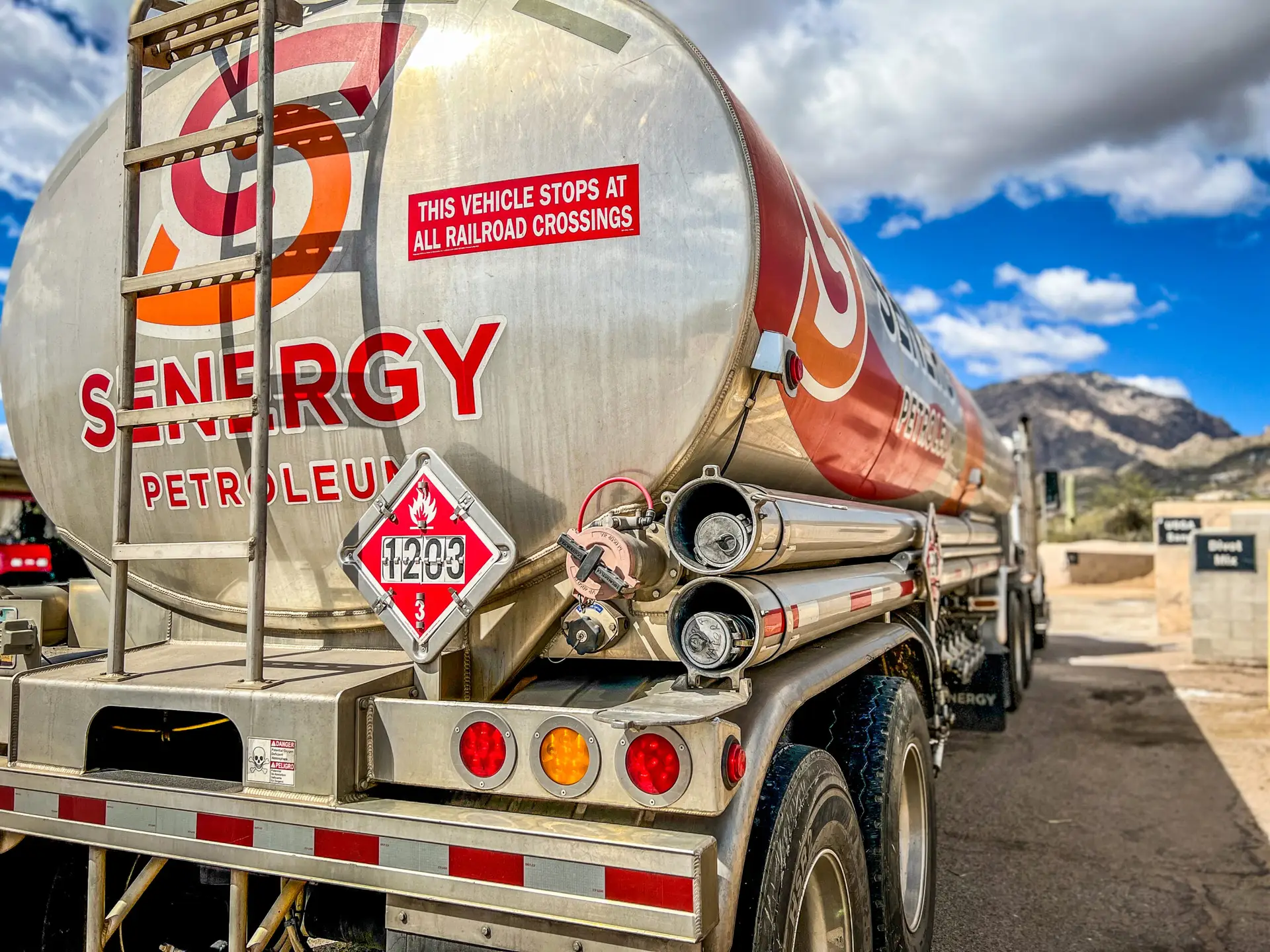
Route optimization is a critical component of fuel logistics. Deliveries to remote sites must be carefully planned to reduce transit time and improve efficiency. Tanker truck networks play a vital role in reaching areas not served by pipelines, providing flexibility and ensuring consistent fuel availability.
Modern fuel logistics systems are increasingly supported by technology, including real-time tracking, predictive analytics, and automated scheduling. These tools improve planning accuracy, enhance decision-making, and help reduce the risk of supply interruptions.
The Impact of Fuel Management on Drilling Operation Efficiency
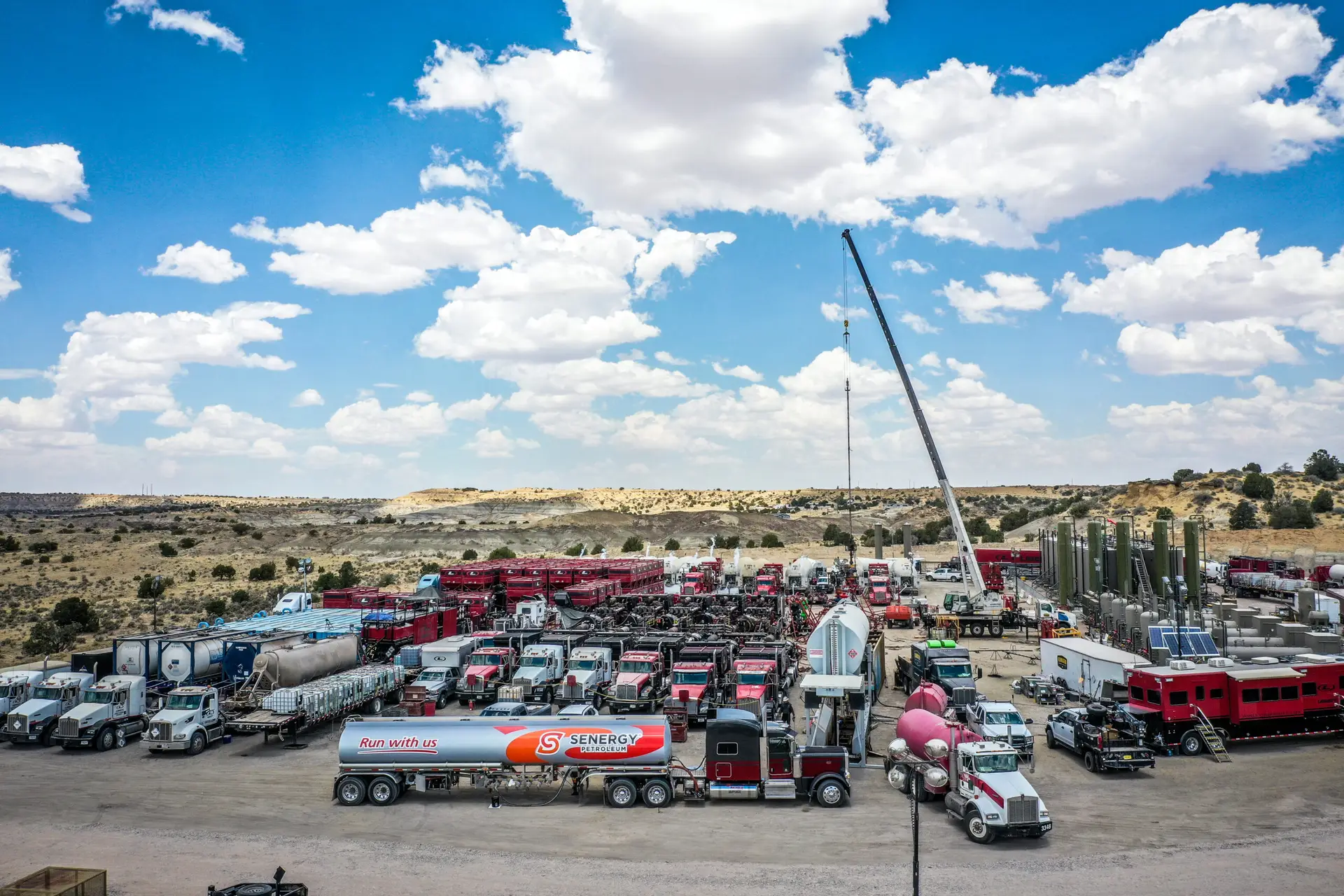
Drilling operation efficiency is directly tied to fuel management, as fuel availability and usage impact equipment performance and overall operational planning. Efficient fuel use helps ensure drilling activities remain uninterrupted, supporting consistent productivity across field operations.
When fuel supply is reliable, drilling schedules can be maintained without unnecessary interruptions. This reduces downtime and improves overall resource utilization. In contrast, fuel shortages can halt drilling operations, leading to significant delays and increased operational costs.
Advanced fuel monitoring and control systems play an important role in optimizing consumption. These systems track usage patterns, identify inefficiencies, and provide operational insights that help improve planning and performance across drilling activities.
In addition, effective fuel management supports equipment reliability. Consistent fuel quality and supply help reduce strain on engines and mechanical systems, improving performance stability and extending equipment service life while reducing maintenance demands.
The Economic Impact of Fuel Supply Disruptions in Oilfield Operations
Oilfield services can be significantly impacted by disruptions in fuel supply. Even short interruptions can lead to production delays, increased operational costs, and reduced profitability.
Fuel is also a major component of overall operating expenses, particularly in logistics and field operations. In many cases, fuel accounts for a substantial portion of total freight and transportation costs, making supply stability and pricing a critical factor in overall financial performance.
When fuel supply is disrupted, inefficiencies in resource allocation often follow. Equipment may remain idle while labor and operational costs continue to accumulate. This imbalance between resource input and output reduces operational efficiency and drives up total costs.
In addition, unreliable fuel supply can negatively impact project timelines and stakeholder relationships. Missed deadlines and operational delays can result in financial penalties and reputational damage, ultimately affecting long-term business performance.
Advancing Fuel Management
Fuel management and delivery in oilfield services continues to evolve through technology. Digital systems, automation, and data analytics are improving efficiency, visibility, and reliability across the supply chain.
Real-time monitoring and IoT systems provide insight into fuel levels, consumption, and delivery timing, allowing for more proactive operational planning and reduced risk of shortages. Predictive analytics further improves demand forecasting and route optimization, helping reduce delays and improve overall performance.
Automation is also enhancing fuel storage and delivery processes by reducing manual error and improving consistency in operations.