Why Reliable Commercial Diesel Fuel Matters for Business
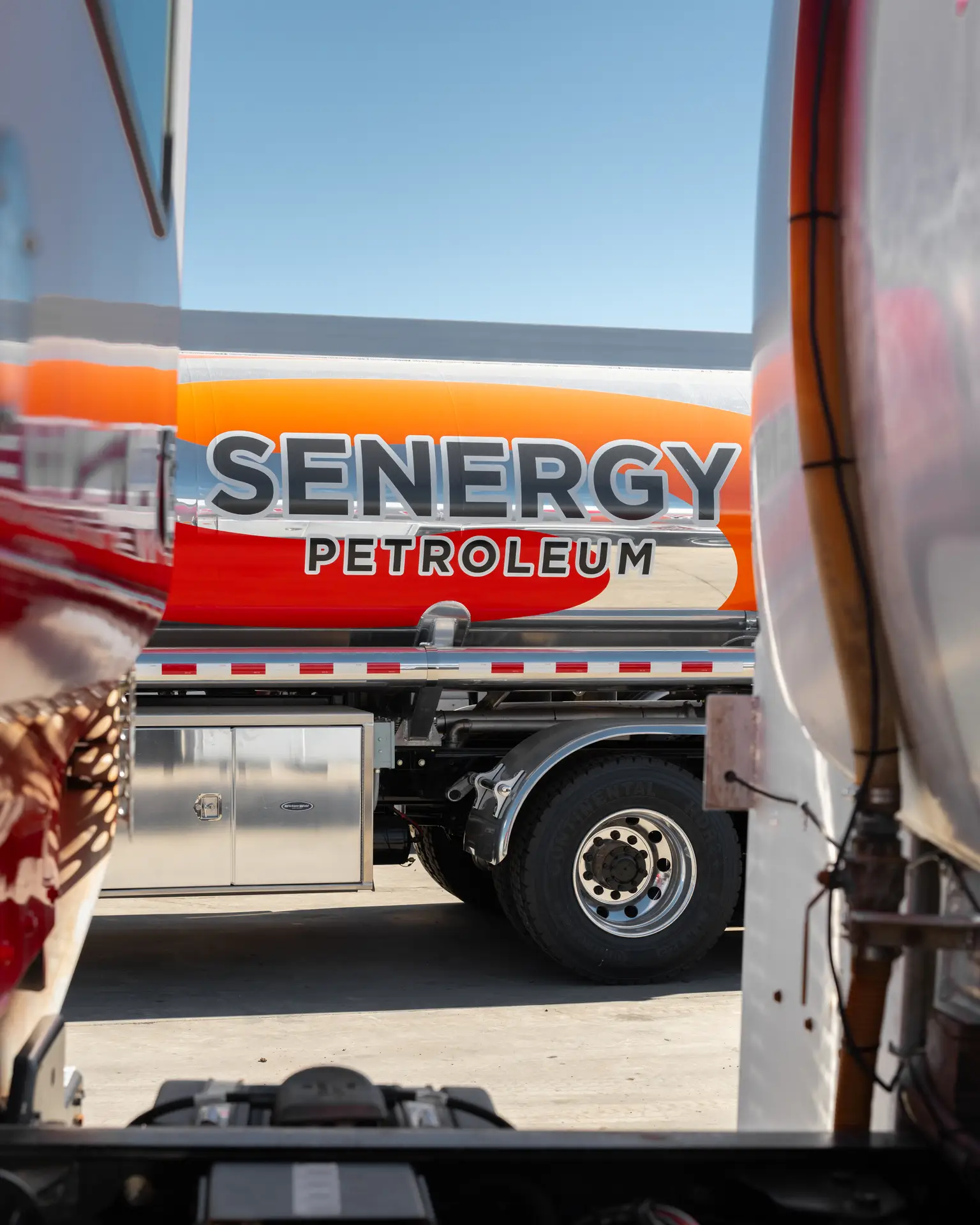
Fuel is more than a commodity—it is the lifeline of operations for businesses that rely on diesel-powered vehicles and heavy equipment. A stable, dependable supply of commercial diesel fuel keeps trucks on the road, equipment running, and projects on schedule.
When diesel supply is disrupted, the impact is immediate: missed deliveries, idle equipment, and increased strain on teams. These challenges go beyond inconvenience—they directly affect operational efficiency and profitability.
Businesses that prioritize fuel security protect themselves from unexpected downtime and costly interruptions. A consistent diesel supply supports smooth operations and reinforces reliability in the eyes of customers. In competitive industries, a strong fuel strategy helps organizations stay ahead rather than fall behind. Reliable diesel supply ultimately ensures maximum uptime for fleets and seamless day-to-day operations.
Knowledge of the Cost of Unplanned Downtime
Unscheduled downtime is more than an inconvenience—it is a direct cost to operations. Every idle truck, generator, or piece of equipment results in lost labor hours, wasted resources, and missed deadlines. Over time, these disruptions accumulate into significant financial losses.
The ripple effects can be substantial. Delayed deliveries create bottlenecks, disrupt customer schedules, and slow entire projects. In industrial settings, downtime often means crews and contractors are left waiting, driving up operational costs without productive output.
Without a proactive fuel logistics strategy, businesses may be forced into last-minute fuel purchases at higher costs, compromising both efficiency and reliability. In contrast, organizations that maintain a consistent and dependable diesel supply minimize downtime, control expenses, and strengthen customer trust. A well-planned fuel strategy remains one of the most effective ways to protect productivity and profitability.
Building a Smarter Fuel Management Strategy
Effective fuel management goes beyond purchasing and storage—it requires a clear understanding of when and where fuel is needed. A well-structured fuel logistics strategy ensures diesel is delivered in the right quantities, at the right time, and to the appropriate location.
High-performing organizations rely on data-driven forecasting to anticipate fuel demand and avoid both shortages and excess inventory. They also establish strong partnerships with reliable suppliers to maintain consistent supply, reducing the risks associated with last-minute purchasing, delays, and price fluctuations.
Technology plays a critical role in modern fuel management. Monitoring fuel levels across sites and vehicles provides real-time insights, allowing teams to schedule timely refueling and maintain uninterrupted operations. With a proactive approach to fuel management, businesses can improve fleet uptime, reduce emergency costs, and keep operations running efficiently.
How Technology Is Transforming Fuel Management
Modern fuel management has become more efficient and precise through the use of advanced technology. Tank monitoring systems provide real-time visibility into fuel levels, usage patterns, and potential issues, helping businesses avoid costly disruptions. With centralized dashboards, fleet managers can monitor fuel inventory across multiple locations, enabling more accurate planning and streamlined operations.
Mobile applications further enhance efficiency by allowing drivers to log fuel usage, request deliveries, and access compliance documentation in real time. At the same time, predictive analytics help forecast future fuel needs by accounting for seasonal trends and operational changes.
By integrating data and automation, businesses can maintain a consistent supply of commercial diesel fuel, reduce downtime, and improve overall operational efficiency. Technology transforms fuel management from a reactive task into a proactive strategy that supports reliable, uninterrupted operations.

Optimizing Fuel Storage for Reliable Operations
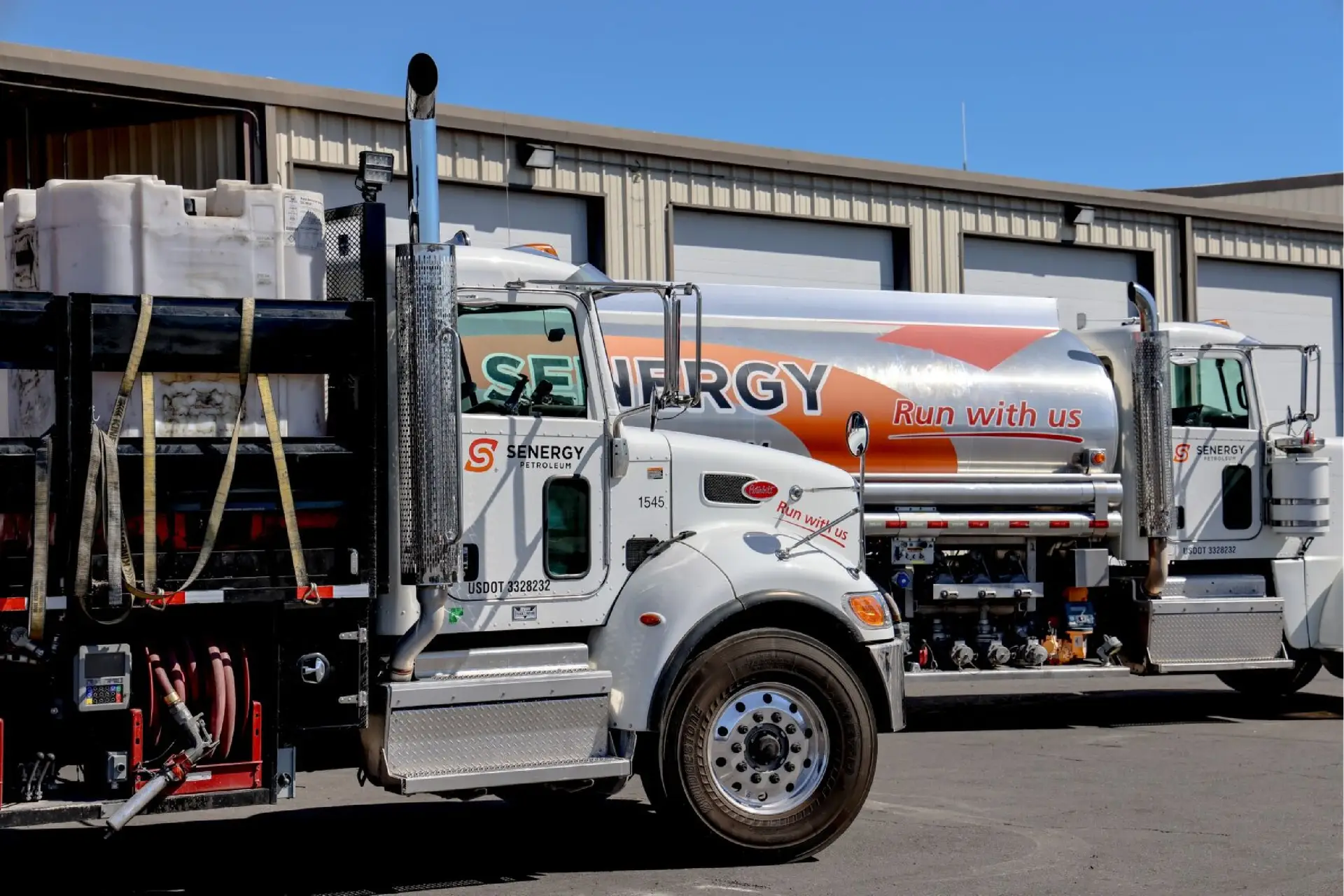
Fuel storage is not just about maintaining an adequate diesel supply—it requires a safe, efficient, and cost-effective approach. Proper storage practices help prevent shortages, support regulatory compliance, and protect overall operations.
Selecting the appropriate tank size and implementing effective containment measures reduce the risk of waste and costly spills. Routine inspections, combined with real-time monitoring, give businesses better visibility into fuel levels and help determine optimal refill timing without overstocking.
For multi-location operations, centralized management systems improve coordination of deliveries, optimize routing, and maintain consistent fuel availability across sites. A well-planned storage strategy is a key component of strong fuel logistics, helping businesses minimize downtime and maintain fleet uptime.
Strategic Fuel Planning for Maximum Fleet Uptime
Proactive planning is essential for maintaining fleet uptime. A strategic fuel plan ensures vehicles and equipment are always ready to operate, reducing unnecessary stops and delays.
Analyzing fuel consumption trends allows managers to schedule deliveries before levels run low, while contingency plans—such as backup suppliers or on-site reserves—provide additional security against disruptions. Staff training also plays a critical role; when teams understand how to monitor fuel levels and report issues promptly, potential problems can be addressed before they escalate.
With a forward-looking approach, businesses can reduce operational stress, control costs, and improve overall efficiency. Strategic fuel planning is a straightforward yet effective way to keep projects on schedule and maintain customer confidence.
Driving Operational Efficiency Through Strategic Fuel Management
Efficiency in industrial operations is driven by effective planning, optimization, and strategic resource management. A stable supply of commercial diesel fuel plays a critical role in keeping workflows consistent and operations running smoothly.
When fuel deliveries are aligned with work schedules, equipment and personnel remain productive, reducing idle time. Integrating fuel management with maintenance, logistics, and financial planning ensures all aspects of operations work in sync.
Viewing fuel as a strategic asset rather than a simple consumable allows businesses to improve throughput, reduce waste, and enhance overall efficiency. Every hour gained through effective fuel management contributes to stronger productivity and improved profitability.
Resilient Operations With Fuel Planning
Today’s businesses are focusing not only on traditional fuel planning but also on building resilient operations. While diesel remains essential, companies are exploring complementary solutions such as renewable fuels, hybrid technologies, and efficiency measures to optimize performance and manage costs.
Supplier diversification, technology integration, and on-site fuel reserves strengthen operational systems, allowing fleets to remain productive even under unpredictable conditions. A combination of these strategies and a proactive approach to fuel logistics ensures high fleet uptime and operational continuity.
Effective fuel planning balances reliability, efficiency, and adaptability, enabling operations to perform consistently today while preparing for the demands of tomorrow.