Fueling Remote Jobsites: Logistics That Keep Equipment Moving
Projects in construction, mining, agriculture, and infrastructure development often operate in remote locations where access to fueling stations is limited. In these environments, a consistent fuel supply is essential to maintaining operations. Equipment such as excavators, generators, loaders, and trucks must run continuously to meet demanding project timelines.
Without a reliable fueling strategy, even minor disruptions can halt operations and lead to costly delays. Fuel is not simply a supply item—it is a critical driver of productivity. Effective jobsite fuel logistics ensure equipment remains operational and workflows stay on track.
Remote sites also operate under strict schedules and challenging conditions. Any interruption or mismanagement of fuel supply can quickly escalate into a significant operational issue. As a result, businesses are increasingly adopting structured fuel logistics systems to maintain consistency and control.
A well-planned fueling strategy keeps equipment running, supports workforce productivity, and helps ensure projects are completed on schedule. In remote operations, fuel logistics are not optional—they are fundamental to success.
How Remote Fuel Delivery Systems Keep Jobsites Running Smoothly
Remote fuel delivery is central to efficient jobsite operations, providing a structured system for supplying fuel to off-grid locations. It involves more than transportation—effective delivery includes route planning, regulatory compliance, and properly designed storage solutions.
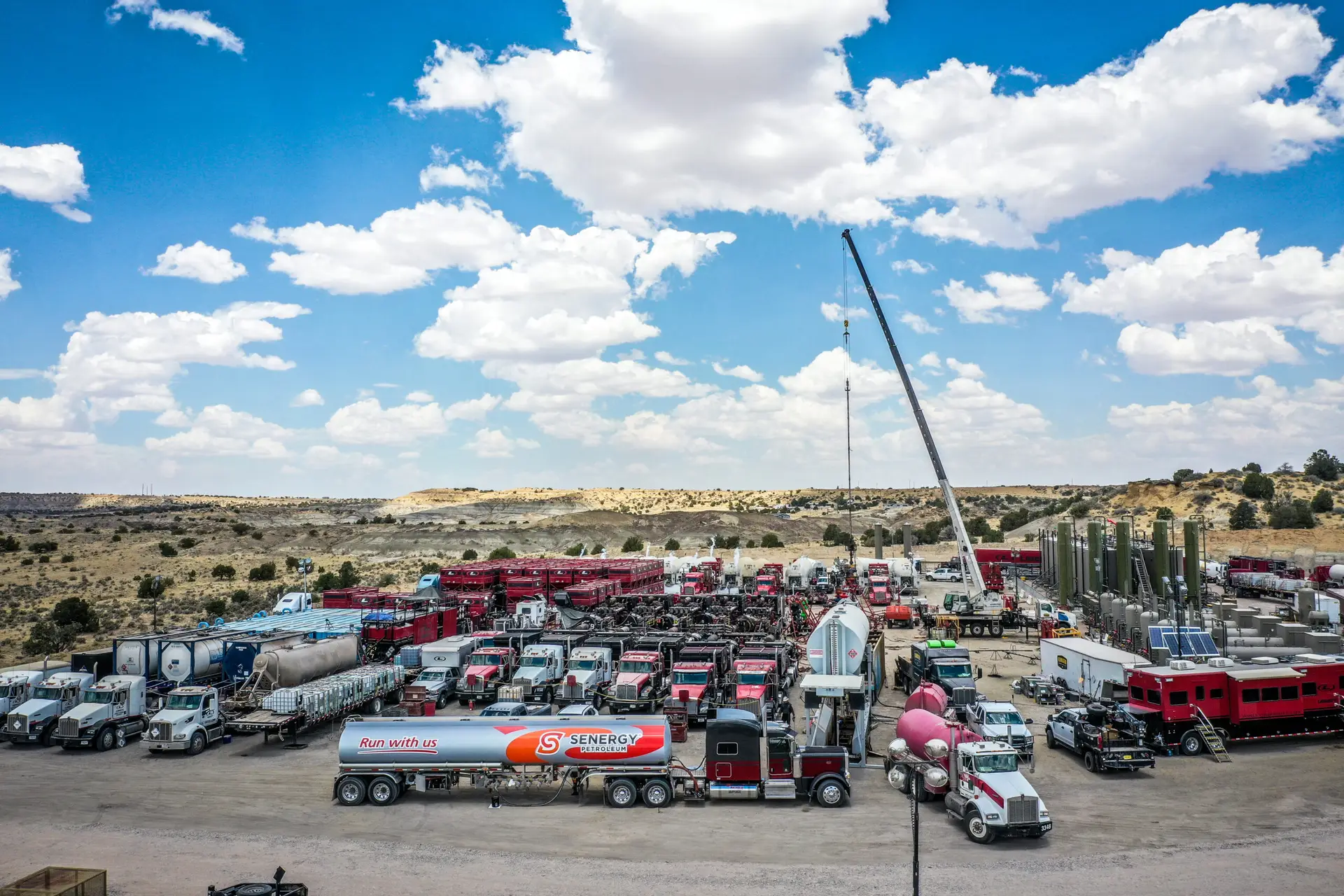
Fuel providers often install on-site storage tanks and dispensing systems tailored to the needs of each project. These systems are built to handle high fuel volumes safely and efficiently. Once in place, fuel levels are continuously monitored to prevent shortages and ensure timely resupply.
Infrastructure plays a critical role in maintaining reliable operations. Storage tanks must be properly secured, regularly inspected, and maintained to meet operational standards. Many systems also incorporate telemetry technology, enabling real-time monitoring and proactive refueling.
By combining strategic logistics with dependable infrastructure, remote fuel delivery systems create a seamless fueling process. This ensures that remote jobsites can operate continuously without unnecessary interruptions.
Boosting Jobsite Efficiency with Mobile Fuel Services
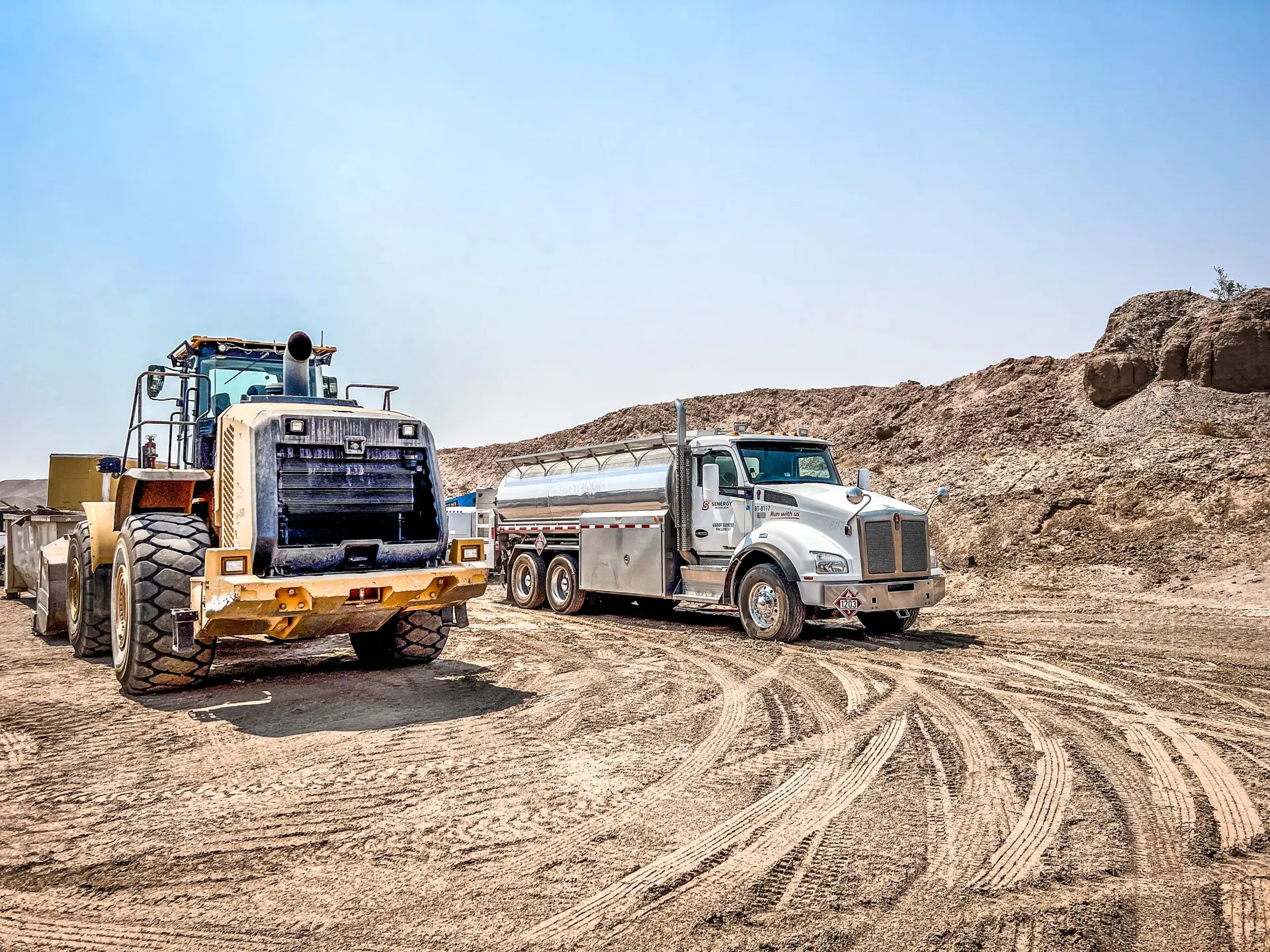
Mobile fuel services have transformed how remote jobsites manage their fueling needs by delivering fuel directly to equipment on-site. This eliminates the need for operators to leave the jobsite in search of fixed fueling stations.
One of the primary benefits is time savings. Crews can remain focused on core responsibilities instead of traveling for fuel, improving efficiency and reducing downtime.
Mobile fueling also supports productivity by allowing equipment to be fueled during off-hours or scheduled breaks. This minimizes disruptions and keeps operations running smoothly. In many cases, these services include fuel tracking and reporting, providing valuable insights into consumption patterns.
Flexibility is another key advantage. Mobile fuel services can adapt to changing project demands, ensuring fuel is delivered when and where it is needed.
For remote projects, this level of convenience and efficiency is critical. Mobile fuel services streamline operations while supporting better resource management and cost control.
Powering Remote Operations with Reliable Off-Road Diesel Supply
Remote jobsites rely on a steady supply of off-road diesel to power heavy machinery and specialized equipment. This non-highway diesel, typically dyed for identification, is designed specifically for off-road use and offers a cost-effective solution for industrial applications.
Maintaining a consistent fuel supply is essential for keeping equipment running efficiently. High-quality fuel helps reduce engine wear, improve performance, and minimize the risk of breakdowns. Proper storage and handling are critical, as contamination can lead to equipment damage and costly repairs.
Fuel suppliers play an important role in maintaining quality standards. Established procedures for storage, transportation, and delivery help ensure fuel remains clean and reliable from source to site.
A dependable off-road diesel supply supports continuous operations, allowing equipment to run without interruption and helping projects stay on schedule.
Maximizing Efficiency with Strategic Jobsite Fuel Management
Efficient remote operations depend on strategic fuel management. Optimizing jobsite fuel logistics allows businesses to reduce costs while improving overall productivity.
One of the primary advantages of remote fuel delivery is the elimination of unnecessary travel. Sending employees or equipment off-site for fueling consumes valuable time and resources. On-site delivery removes this inefficiency, allowing teams to stay focused on core operations.
Cost savings can also be achieved through bulk fuel purchasing and scheduled deliveries. Businesses can secure more favorable pricing and reduce the impact of market fluctuations. In addition, accurate fuel monitoring helps identify inefficiencies and minimize waste.
Reducing downtime is another critical benefit. Equipment without fuel brings operations to a halt, but a reliable fuel management strategy ensures continuous operation and consistent productivity.
By implementing a strategic approach to fuel management, companies can improve efficiency, control operating costs, and achieve stronger project outcomes.
Ensuring Safety and Compliance in Remote Fuel Operations
Fuel operations in remote environments involve inherent risks, making safety and compliance critical priorities. Professional fuel providers follow strict protocols to minimize hazards and ensure reliable operations.
Key safety measures include proper fuel storage, spill prevention practices, and trained personnel. Equipment such as grounded tanks, leak detection systems, and emergency spill kits helps reduce the risk of incidents on-site.
Regulatory compliance is equally important. Fuel suppliers help ensure operations meet required standards, reducing the risk of violations and associated penalties.
Accurate recordkeeping also supports transparency and accountability. Detailed documentation is essential for audits and maintaining compliance with industry regulations.
By prioritizing safety and compliance, businesses can protect their workforce, equipment, and operations while maintaining efficiency in remote environments.
Future of Remote Fuel Logistics
Advancements in technology are shaping the future of remote jobsite fueling. Real-time monitoring and predictive analytics give businesses better visibility into fuel levels and usage, helping prevent shortages and improve planning.
Automation and digital platforms further streamline delivery scheduling and enhance operational control. As projects expand into more remote and demanding locations, efficient fuel logistics will remain essential.
Companies that adopt these innovations will benefit from improved efficiency, stronger cost control, and more reliable operations.