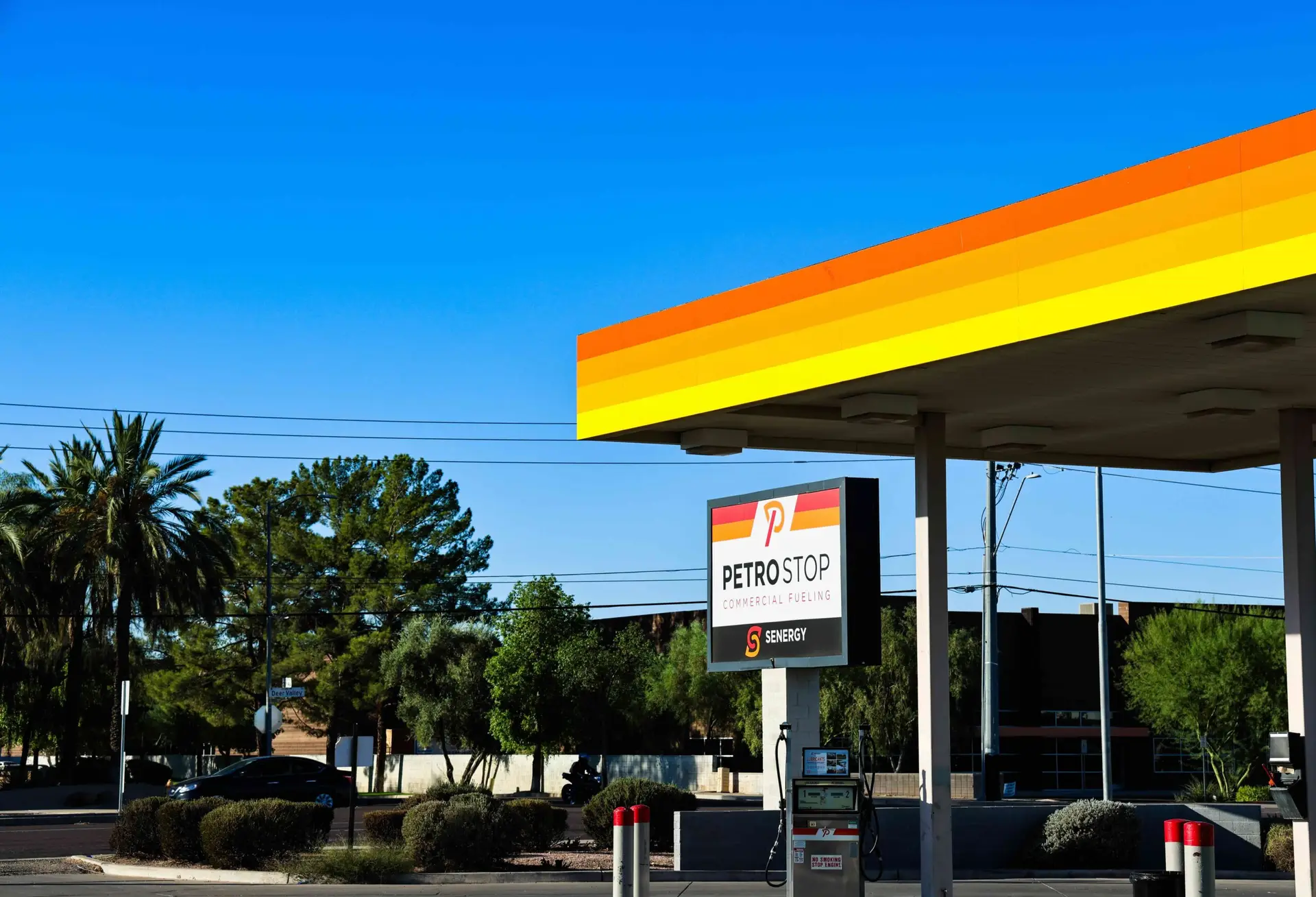
Why Cardlock Is a Smart Fit for Service Trucks and Mobile Crews
Many industries rely on service trucks and mobile crews, including utilities, construction, HVAC, telecommunications, agriculture, and municipal operations. These teams must stay on the road, respond quickly, and complete jobs without delays. Inefficient fueling is often an overlooked barrier to productivity in these operations. Traditional fueling models were not designed for commercial vehicles operating on tight schedules.
Cardlock systems solve this challenge by delivering business-focused fueling solutions built for fleet operations. Cardlock fueling supports consistent operations, reduces time wasted at retail stations, and gives fleet managers greater control over fuel spending. When paired with mobile fueling plans and centralized reporting, cardlock access becomes a powerful operational advantage.
With cardlock, fuel becomes a streamlined part of daily operations rather than a disruption. For companies that depend on service trucks and mobile crews, cardlock is not just a fueling option—it is an operational upgrade that supports uptime, accountability, and scalable growth.
Fueling Mobile Crews Without Interruptions
Mobile crews rarely operate on a standard nine-to-five schedule. Emergency calls, night shifts, weather-driven work, and long service routes are part of daily operations. Retail fuel stations cater to consumer vehicles, not fleets that need fast, reliable access at any hour. Cardlock systems serve commercial operations with fueling access designed for field-based work.
Cardlock access lets drivers fuel before or after shifts, during overnight operations, or between service calls without worrying about store hours or long lines. Wide lanes and fleet-friendly layouts accommodate vans, bucket trucks, service bodies, and heavy-duty pickups, which reduces congestion and downtime. Drivers avoid crowded parking lots and long waits at pumps, which keeps daily operations moving smoothly.
Cardlock fueling makes refueling a predictable, efficient part of the workday. This consistency improves route planning, reduces driver stress, and helps teams meet service commitments on schedule.
Reducing Fleet Downtime with Faster Cardlock Fueling
One of the hidden costs in service operations is downtime, and those costs add up quickly. Every minute a truck spends waiting at a retail fuel station is a minute not spent serving customers, completing work orders, or responding to urgent calls. Cardlock fueling directly addresses this inefficiency by streamlining the refueling process for commercial fleets.
With high-flow pumps, fleet-only access, and purpose-built layouts, cardlock stations enable faster fueling and less time wasted on-site. Small time savings at each fuel stop can accumulate into significant productivity gains across a fleet. Saving just a few minutes per stop can translate into hours of recovered labor each month.
This efficiency is especially valuable for mobile crews with tight and unpredictable schedules. Cardlock fueling makes fuel stops fast and predictable, helping stabilize daily operations. The result is improved schedule adherence, stronger customer satisfaction, and better overall fleet utilization.
Gaining Control and Visibility Over Service Fleet Fuel Costs
Fuel is one of the largest operating expenses for service fleets, and costs can quickly increase without strong controls and visibility. Inefficiencies, misuse, and limited oversight can drive unnecessary spending. Cardlock systems give fleet managers direct control over fuel usage through programmable cards and centralized reporting.
Cards can be assigned to specific vehicles or drivers with customized limits on gallons, time of day, fuel type, and location. These controls help eliminate unauthorized purchases and reduce the risk of fuel misuse. Managers can also identify irregular fueling patterns early and address potential issues before they become significant cost problems.
Consolidated billing and detailed transaction data provide clear insight into fuel spending by vehicle, crew, or department. This level of visibility supports more accurate budgeting, improved job costing, and smarter operational decisions. Instead of guessing where fuel dollars are going, businesses gain a clear, actionable view of fleet fuel performance.

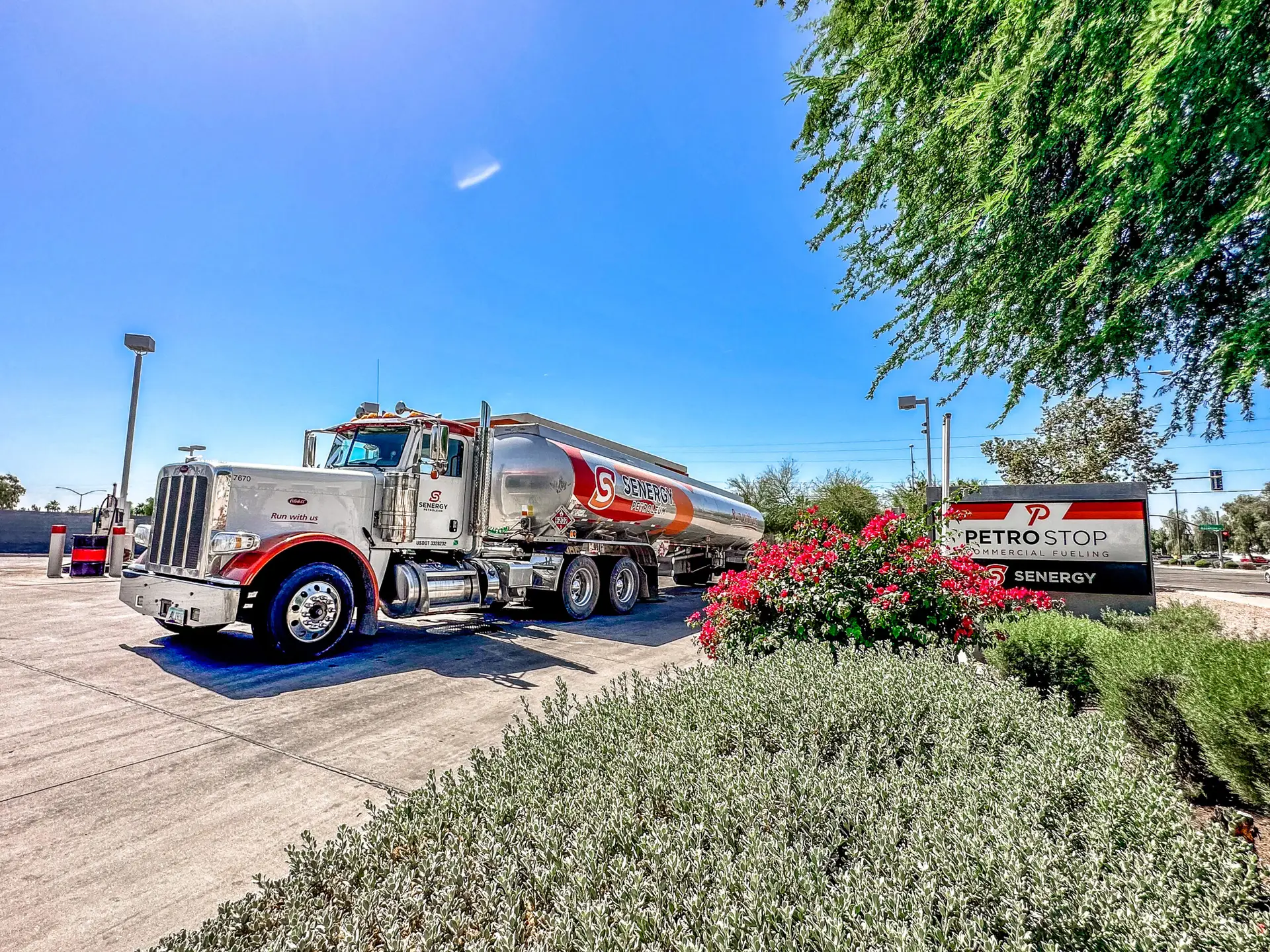
Improving Fleet Accountability with Cardlock Fuel Data
In mobile operations, accountability can be challenging. Crews covering large service territories are difficult to monitor for time, mileage, and fuel usage without strong tracking systems. Cardlock programs improve accountability by creating a digital record for every fueling transaction. Each transaction captures the time, location, and volume of fuel purchased, and ties that data to a specific vehicle or driver, increasing transparency across the fleet.
When combined with telematics or route planning tools, this data helps managers validate routes, identify inefficiencies, and ensure company resources are being used effectively. This level of insight is especially valuable when evaluating mobile fueling strategies. Businesses can compare on-site fueling, cardlock usage, and retail fueling to determine the most cost-effective mix for their operations.
Over time, these insights support continuous improvement, helping organizations operate more efficiently, maintain stronger controls, and increase profitability.
Increasing Driver Experience and Decreasing Operational Friction
The driver experience directly impacts safety, retention, and productivity. Crowded fuel stations, busy retail locations, and long lines can add frustration and fatigue to an already demanding workday. Cardlock fueling removes many of these friction points by creating a simpler, more efficient fueling experience for fleet drivers.
Fleet-oriented stations reduce congestion, improve access for larger vehicles, and eliminate the need to enter stores or manage paper receipts. The fueling process is faster and less disruptive, allowing drivers to stay focused on their routes and service responsibilities rather than navigating consumer-focused fueling environments.
A better fueling experience also supports driver retention. Small improvements in daily workflows can make a meaningful difference in industries that rely on skilled technicians and service drivers. When crews see that systems are designed to support their needs, morale improves and turnover pressures can be reduced.
Funding 24/7 Response and Emergency
Many service fleets operate around the clock. Utilities, roadside assistance, snow removal, emergency maintenance, and municipal services require fueling at any hour. Retail fuel stations often close, operate with limited staff, or restrict access during off-hours. Cardlock systems provide 24/7 availability, giving fleets consistent fueling access whenever crews need it.
This reliability matters for emergency and after-hours operations. Crews fuel vehicles as needed without access restrictions, which keeps trucks ready for immediate deployment. Cardlock access enables faster response times and more dependable service delivery.
Organizations that use mobile fueling as part of emergency planning or continuity strategies gain added operational resilience with cardlock. Reliable fuel access supports continuous operations, reduces risk, and helps teams maintain service when it matters most.
Integrating Cardlock into Hybrid Fleet Fueling Strategies
Many fleets use a combination of fixed and mobile fueling strategies, and cardlock plays a key role in this hybrid approach. On-site fueling is often used at central yards and high-density locations, while cardlock provides convenient access for crews operating in the field. This integration eliminates unnecessary trips back to base for fuel, keeping trucks closer to job sites and improving route efficiency.
By reducing unproductive miles and idle travel, fleets can improve vehicle utilization and overall operational efficiency. Cardlock networks, combined with mobile fueling, support both centralized and decentralized operations, giving businesses greater flexibility in how they manage their fleets.
This approach is especially valuable for growing service fleets, seasonal operations, and companies expanding into new territories, where scalable fueling access is essential for maintaining productivity and service reliability.
Cardlock Fueling for Growing Fleets
Scalability is essential for service companies focused on growth. Cardlock programs expand easily to support additional vehicles, crews, and service areas without added complexity. As fleets grow, standardized controls, broad access, and centralized reporting become increasingly important. Cardlock helps maintain consistent policies and visibility across regions and teams, keeping operations aligned as the organization scales.
More than a fueling solution, cardlock is an operational infrastructure that supports efficiency, accountability, and long-term growth. For service trucks and mobile crews, it provides a foundation for smarter fuel management, disciplined operations, and improved profitability.