
Supporting Agricultural Equipment Through Peak Planting and Harvest Seasons
Modern agriculture operates within critical planting and harvesting windows where productivity depends on equipment readiness, fuel availability, and the ability to respond quickly to changing field conditions. Any disruption—such as fuel shortages, maintenance delays, or ineffective coordination—can directly impact yields, labor efficiency, and overall profitability. To meet the demands of peak seasons, farms must implement coordinated strategies that ensure equipment is operational, fueling is managed effectively, and logistics are optimized to maintain uninterrupted performance.
Maintaining Peak Farm Productivity Through Strategic Fuel
Planting and harvesting windows are determined by crop maturity, soil conditions, and weather, leaving little room for delays. Tractors, planters, combines, grain carts, sprayers, and support vehicles operate extended hours during these periods. Seasonal demand places significant pressure on equipment fleets, both in terms of fuel consumption and mechanical maintenance. Even minor inefficiencies during continuous operation can result in substantial disruptions. A brief fueling delay or unplanned outage can trigger missed field windows and reduced productivity. In large-scale farming operations, this pressure is magnified as multiple fields and crews operate simultaneously. Agricultural fuel is a mission-critical input—just like seed or fertilizer—and modern machinery cannot function without a reliable fuel supply. Peak seasons therefore require operations to shift into high-intensity mode, where maximizing equipment uptime is essential. Managers who plan equipment usage in advance are positioned to maintain performance and minimize disruptions.
Strategic Fuel Management for Maximum Farm Productivity
Fuel demand peaks during planting and harvest periods due to extended operating hours and the high concentration of equipment in the field. Tractors and combines may operate 12–18 hours per day, significantly increasing fuel consumption compared to the off-season. This heightened usage requires careful fuel planning. On-site storage, bulk tanks, and mobile refueling units should be appropriately sized to handle increased throughput. Inadequate capacity can lead to frequent refueling interruptions, reducing field efficiency. Seasonal demand also impacts fuel delivery logistics, as suppliers often experience higher volumes across entire regions during peak periods, making proactive scheduling essential. Farms that effectively manage tank wait times can avoid delays, additional costs, and emergency delivery challenges. By forecasting peak fuel needs based on acreage, equipment size, and historical usage, operations can balance supply with demand, ensuring machinery remains productive during critical field windows.
Tactical Fuel Planning for Peak Farm Operations
Fuel planning during peak seasons is not merely a purchasing task—it is a tactical operation. Effective fuel management combines historical usage data, crop schedules, and real-time field activity to create a proactive supply strategy. Fuel requirements can surge during planting when multiple machines operate simultaneously and may increase further during harvest as combines, grain carts, dryers, and transport equipment run continuously. These layered demands must be carefully accounted for in planning. High-level fuel planning enables farms to schedule deliveries in advance, prevent last-minute disruptions, and align purchases with seasonal cash flow and operational intensity. This approach improves budgeting, enhances operational resilience, and ensures machinery remains productive throughout critical field windows.

Maximizing Equipment Uptime Through Effective Fuel Management
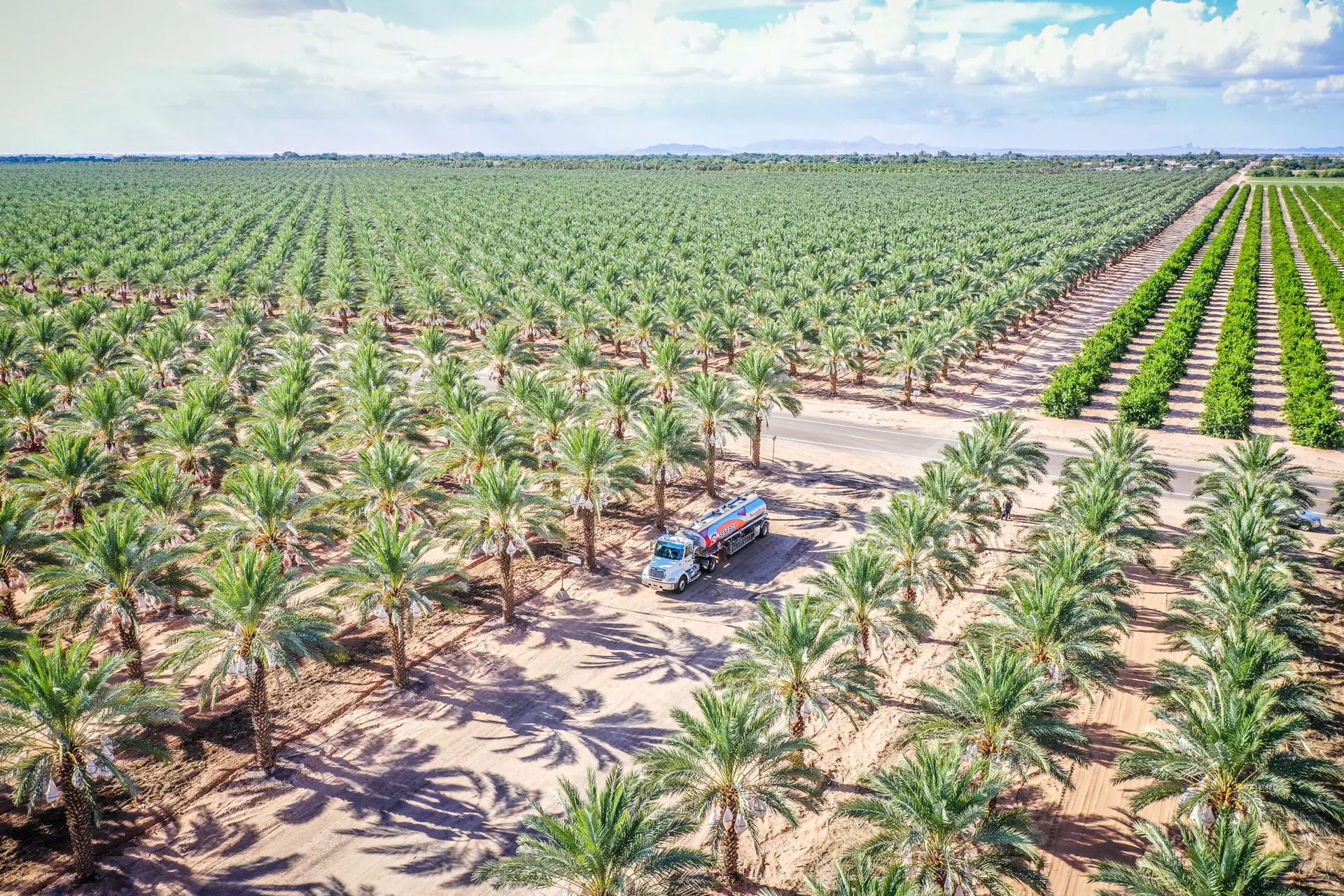
Equipment uptime is one of the most critical assets during peak planting and harvesting seasons. Every hour of downtime represents lost productivity. Active fuel management directly supports maximizing uptime. On-site fuel availability reduces the need to remove equipment from the field for refueling, while mobile fueling units and strategically positioned tanks minimize travel time and keep machinery operating where it is most productive—particularly in large or remote fields. Fuel quality is equally important, as contaminated or degraded fuel can cause clogged filters, injector issues, and engine performance problems, all of which are costly and time-consuming to resolve during peak operations. Through clean storage, regular fuel checks, and coordinated delivery schedules, farms can mitigate downtime risks and ensure that equipment remains efficient and ready when it is needed most.
Dealing with Seasonal Demand in Multiple Farm Operations
Agricultural operations involve multiple activities simultaneously, including crop production, livestock management, grain handling, and irrigation. During peak seasons, these overlapping activities place heightened demands on both fuel and equipment resources. For example, harvest periods may coincide with grain drying, hauling, and storage, all requiring additional fuel. Livestock operations contribute to baseline fuel needs year-round. Effective management of these overlapping demands requires integrated planning. Centralized oversight of fuel consumption and equipment scheduling helps prevent resource conflicts and ensures that resources are deployed efficiently. By monitoring fuel usage and equipment allocation, managers can optimize operations, maintain uptime, and ensure consistent performance across all areas of the farm. Viewing seasonal demand as a system-wide challenge allows farms to balance resources effectively and sustain productivity throughout critical operational periods.
Boosting Labor Efficiency Through Strategic Fuel Management
Equipment availability is closely linked to labor efficiency. During planting and harvesting, crews often work extended hours to take advantage of optimal conditions. Ensuring a reliable fuel supply allows labor hours to be used productively rather than spent on refueling equipment. Poor coordination of fuel logistics can lead to downtime when machines are serviced or removed from the field for refueling, reducing labor efficiency and increasing operating costs per acre. By synchronizing fuel access with work schedules, farms can keep crews productive. On-site refueling, pre-positioned tanks, and scheduled deliveries streamline operations, while also supporting workforce morale and safety. Efficient operations reduce fatigue and stress, enabling teams to focus on fieldwork during the busiest seasons.
Building Resilient Peak-Season Operations
Peak planting and harvest seasons create high-pressure demands that improve over time as farms refine their operations. By leveraging historical fuel usage, equipment performance, and operational data, farms can continuously enhance fuel planning, equipment staging, and logistical coordination. Investments in planning, supplier integration, and on-site fueling facilities increase efficiency, predictability, and resilience. Well-planned fuel access and coordinated operations enable farms to meet seasonal demands reliably while supporting long-term operational success.
