
Understanding Diesel Engine Wear and Why Fuel Matters
Diesel engines are engineered for durability, but even the most robust equipment will experience accelerated wear without proper care. Contaminants such as dirt, water, and low-quality diesel fuel can damage internal engine components and place unnecessary stress on critical systems. One of the most effective ways to protect diesel equipment is by prioritizing proper fuel quality and ongoing maintenance.
High-quality diesel fuel plays a critical role beyond simply powering the engine. It supports internal lubrication, helps reduce friction, and promotes smoother operation as it moves through the fuel system. Lower-grade fuel, by contrast, may contain impurities that clog injectors, restrict flow, and reduce overall performance. Industry technicians consistently observe that professional-grade fuel treatments and additives can significantly reduce internal engine wear over time.
Starting with clean, high-quality diesel fuel provides a stable foundation for efficient combustion and reliable performance. When combined with routine maintenance and preventive practices, proper fuel use helps manage internal temperatures, minimize friction, and extend engine life. Consistent attention to fuel quality ensures diesel engines operate at peak performance and remain dependable for the long haul.
Why High-Quality Diesel Fuel Matters for Engine Longevity
High-quality diesel fuel is one of the most effective ways to extend engine life and protect critical components. When technicians refer to quality fuel, they mean diesel with fewer impurities and greater chemical stability—fuel that burns efficiently without leaving harmful deposits inside the combustion chamber.
Contaminated diesel fuel may contain dirt, water, or microbial buildup that accumulates in storage tanks and is eventually introduced into the engine. These contaminants can clog injectors, promote corrosion, and accelerate internal wear. Over time, this leads to reduced engine performance, increased mechanical stress, and higher maintenance costs.
Using poor-quality fuel is similar to introducing debris into a precision mechanical system. Just as grime can damage a bicycle chain, diesel fuel contaminated with particulates and moisture will gradually degrade engine components. The result is incomplete combustion, reduced power output, and more frequent repairs.
Consistently sourcing diesel fuel from reliable suppliers and selecting top-grade options when available significantly reduces these risks. High-quality diesel fuel supports stronger combustion, minimizes soot and internal deposits, and helps maintain cleaner engine surfaces. This cleaner combustion process reduces abrasive buildup within the engine, promoting smoother operation and longer service life.
Prioritizing fuel quality is a foundational strategy for diesel engine protection and should never be overlooked in any maintenance plan.
How Proper Fuel Filtration Prevents Diesel Engine Wear
Even high-grade diesel fuel requires proper filtration to prevent contaminants from reaching the engine. This is where diesel fuel filtration plays a critical role. Filtration systems act as a protective barrier, capturing dirt, debris, and water before they can cause internal damage.
Most diesel fuel filtration systems use both primary and secondary filters to remove impurities before fuel reaches the injectors. These filters allow fuel to flow freely while stopping harmful particles from entering sensitive engine components. Without effective filtration, fine abrasive particles can pass into injectors and cylinders, leading to scratched surfaces, reduced efficiency, and premature wear.
Regularly replacing diesel fuel filters according to manufacturer recommendations is essential for maintaining engine reliability. When filters are neglected, contaminants accumulate, forcing the engine to work harder and increasing mechanical strain. Over time, this can result in performance issues, unplanned downtime, and higher maintenance costs.
Maintaining clean, effective fuel filters protects critical engine components, supports consistent fuel delivery, and helps engines operate smoothly over extended service intervals. Proper diesel fuel filtration is a key component of long-term engine protection and reliable performance.
The Role of Fuel Additives in Protecting Diesel Engines
Fuel additives function as performance enhancers for diesel engines. These specialized chemical compounds are blended with diesel fuel to support more efficient combustion and protect critical engine components. Certain additives improve cetane levels, which helps optimize ignition timing and combustion consistency. Others help control moisture buildup and keep fuel injectors clean, supporting reliable fuel delivery.
Improved combustion achieved through the proper use of additives results in stronger power output and reduced internal residue. When combustion is more complete, fewer deposits are left behind, which helps limit internal wear over time. In practical terms, additives support cleaner fuel flow and more efficient operation throughout the engine system.
Fuel additives also play an important role in fuel stability during storage. This is especially valuable for equipment or generators that operate seasonally or remain idle for extended periods. Stored diesel fuel can degrade over time, forming varnish-like substances that restrict fuel lines and damage injectors. Additives help maintain fuel stability, prevent degradation, and support smooth engine operation when equipment is brought back online.
Incorporating the right diesel fuel additives is a proven strategy for enhancing engine protection, maintaining performance, and extending service life.

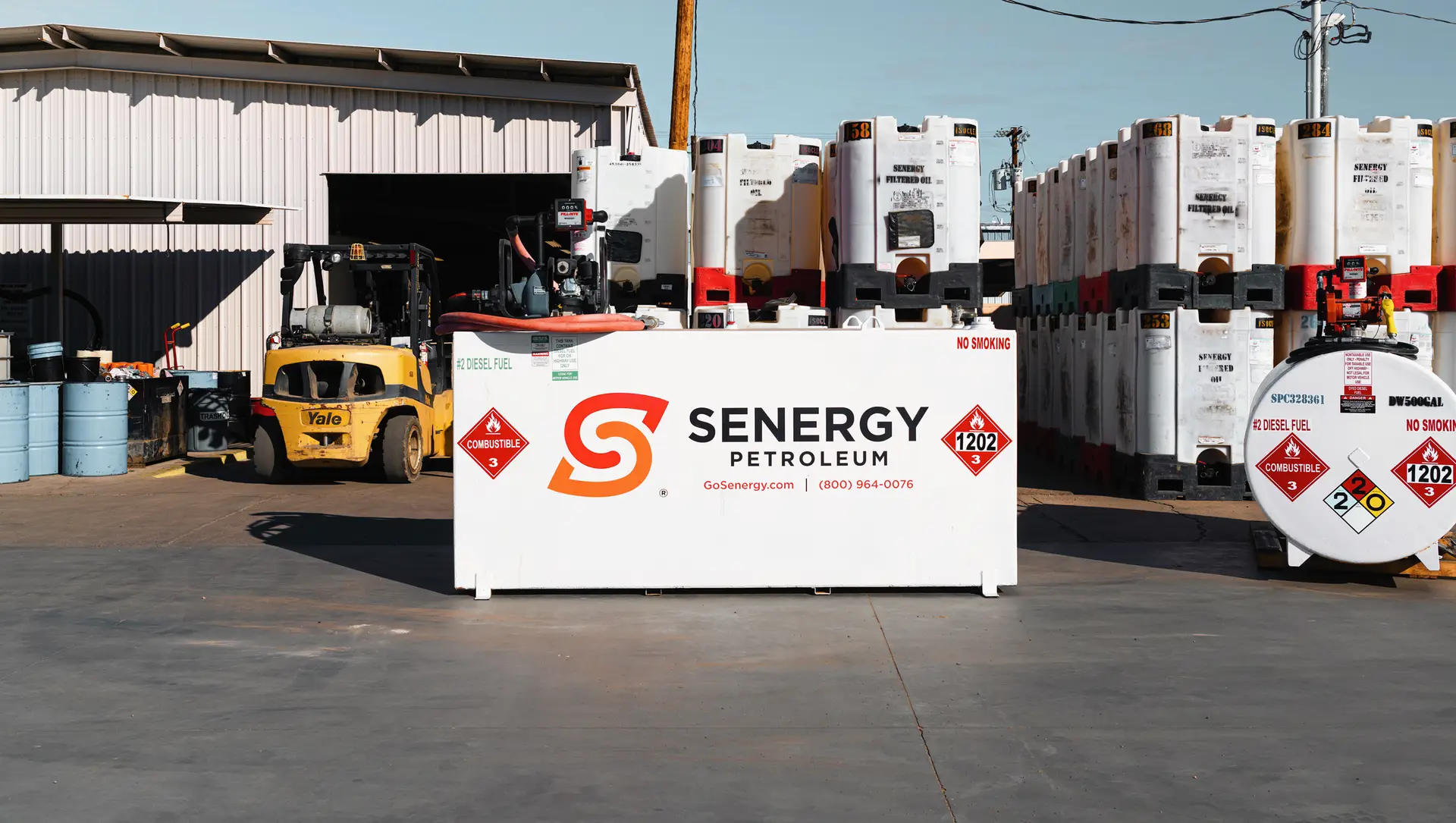
Why Proper Diesel Fuel Storage Is Critical for Engine Reliability
Maintaining diesel fuel quality begins long before the fuel reaches the engine. Proper storage practices are essential for keeping diesel fuel free from water, dirt, and microbial contamination that can develop over time. When fuel degrades in storage tanks, harmful buildup can form and be introduced into the engine once the fuel is used, leading to increased wear and reliability issues.
Diesel fuel is sensitive to exposure from air and moisture. Fuel stored in clean, sealed tanks under controlled conditions maintains its quality longer, while improperly stored fuel can degrade and contribute to poor combustion and added mechanical strain during operation.
Additional measures, such as fuel polishing systems, further protect stored diesel fuel by removing water and contaminants before use. Fuel polishing relies on high-efficiency filtration and separation equipment to clean fuel while it remains in the tank or prior to delivery. These systems are especially valuable for generators, turbines, and seasonal equipment that depend on stored fuel for extended periods.
By implementing proper storage, filtration, and maintenance practices, diesel fuel remains clean and reliable when it is drawn from the tank. These steps support consistent engine performance, reduce internal stress on components, and help extend the service life of diesel-powered equipment.
How Proper Combustion Protects Diesel Engine Components
Combustion is the process by which diesel fuel ignites within the engine and converts energy into usable power. Efficient combustion occurs when fuel burns completely and consistently, generating the force needed to drive pistons without leaving harmful deposits behind. Poor combustion, by contrast, produces soot and carbon buildup that can abrade internal components and contribute to oil thickening and increased mechanical wear.
Fuel quality plays a significant role in combustion performance. Clean, high-quality diesel fuel burns more efficiently and produces fewer internal residues than lower-grade fuel, which is more likely to create soot and carbon deposits over time. These residues accumulate on injector tips and cylinder surfaces, reducing efficiency and accelerating component wear.
Supporting proper combustion requires a coordinated approach that includes selecting quality diesel fuel, maintaining effective air and fuel filtration, and using fuel additives when appropriate. Together, these practices promote more complete fuel burn, limit residue-related wear, and reduce strain on critical engine components.
When combustion is optimized, the engine generates power more efficiently and operates with greater consistency. This improved efficiency supports smoother operation, reduced mechanical stress, and extended engine service life.
How Comprehensive Maintenance Reduces Diesel Engine Wear
Fuel management is only one component of effective diesel engine protection. To minimize wear and maintain peak performance, a comprehensive maintenance approach is essential. Regular oil changes, cooling system inspections, and proper air filtration work together with fuel quality practices to support long-term engine reliability.
Engine oil lubricates moving metal components and reduces friction throughout the system. Over time, oil can become contaminated with soot and fuel dilution, diminishing its ability to protect critical parts. Maintaining proper oil change intervals ensures continued lubrication and helps prevent excessive internal wear.
Cooling systems play an equally important role by regulating operating temperatures. When cooling components are not functioning properly, engines are more susceptible to overheating, which can lead to metal fatigue and premature component failure. Air filtration also contributes to engine protection by preventing abrasive particles from entering the intake system, cylinders, and pistons.
When these systems—high-quality diesel fuel, effective filtration, clean air intake, and fresh engine oil—are maintained together, engines operate more efficiently and experience significantly reduced wear. A coordinated maintenance strategy helps preserve engine performance, extend service life, and reduce unplanned downtime.
Putting Engine Protection Into Practice
Everyday operating practices play a role in how hard a diesel engine works and how long it lasts. Smooth acceleration, minimizing unnecessary idling, and consistent operation help reduce internal stress and limit soot buildup that accelerates wear. Regular engine inspections are equally important, allowing issues such as injector wear or clogged filters to be addressed early before they impact performance.
When smart operating habits are combined with high-quality diesel fuel, proper filtration, and routine maintenance, engines operate more reliably and experience less long-term wear. Together, these practices help ensure dependable performance and extended engine life.