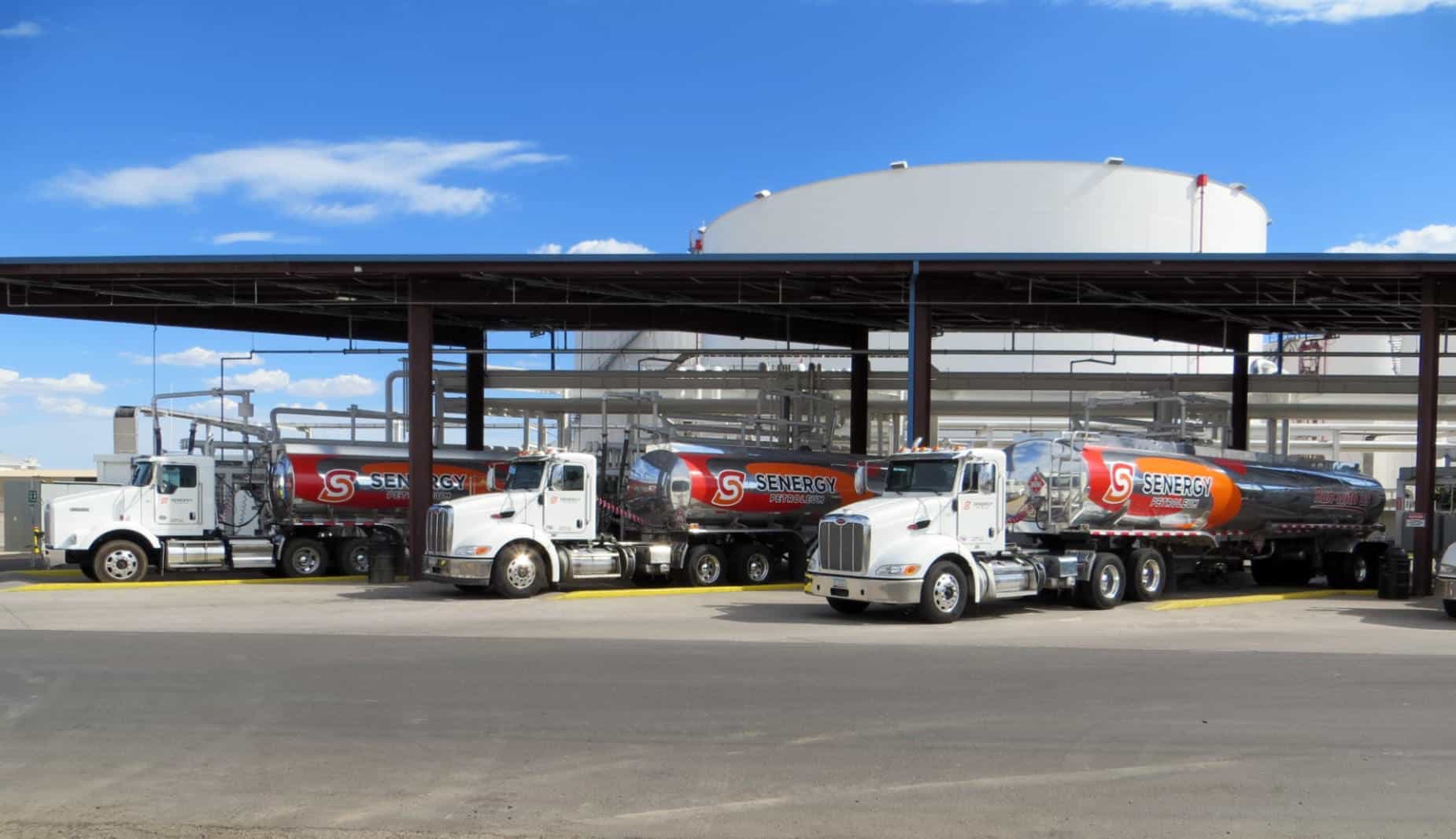
Reducing Fuel Waste: Best Practices for Any Industry
The first step in reducing fuel waste is understanding where fuel is being consumed. A comprehensive fuel audit identifies patterns of waste, evaluates current efficiency levels, and establishes a foundation for operational improvements. This process includes reviewing fuel invoices, tracking usage for each vehicle or piece of equipment by comparing delivery reports with consumption logs, and assessing fleet performance against established standards. Inconsistent results are often linked to insufficient monitoring, outdated equipment, or ineffective scheduling procedures. With a clear baseline, management can implement immediate improvements, such as verifying tire pressure and repairing leaks, while planning long-term efficiency strategies. Establishing key performance indicators (KPIs)—including cost per hour of operation, liters per 100 kilometers, and idle percentages—enables teams to track progress and maintain accountability. A well-structured audit framework serves as the cornerstone for effective fuel management across all operations.
Harnessing Technology for Smarter Fuel Management
Advanced technology for monitoring fuel levels allows companies to track fuel consumption and tank status in real time across their entire fleet of vehicles and equipment. This capability is essential for detecting leaks, theft, and unusual or sudden usage, which may indicate mechanical issues. When integrated with telematics, fuel consumption data can be linked to driver behavior, including idle time, routes, and engine performance. This detailed insight enables management to pinpoint the root causes of fuel waste, rather than relying on assumptions. The optimal monitoring system—whether tank sensors, digital flow meters, or OBD-based solutions—should align with the fleet type and operational requirements. Real-time alerts accelerate response times, while comprehensive dashboards allow managers to evaluate performance across sites, drivers, or shifts. Over time, this integrated approach enhances fleet fuel management and reinforces accountability for efficient fuel use throughout the organization.
Optimizing Operations to Reduce Fuel Consumption
Operational planning is a critical factor in minimizing fuel consumption. Even when drivers select the most efficient routes, fuel usage can increase due to traffic congestion, frequent stops, or steep terrain. Intelligent route-optimization tools enable dispatchers to account for real-time conditions, delivery schedules, customer locations, and load requirements. Reducing empty return miles through batching similar stops and assigning the right vehicle for each task are straightforward, effective strategies. In industries reliant on heavy machinery, proper equipment positioning is equally important. Operators should be trained to avoid unnecessary trips, repetitive shifting, and inefficient task sequencing. Implementing communication tools that allow dispatchers and drivers to coordinate route adjustments in real time further enhances efficiency. When operational planning is paired with performance-based incentives, fuel consumption decreases, and overall operational costs are reduced.
Proactive Maintenance: Key to Reducing Fuel Consumption
Preventive maintenance is one of the most effective strategies for reducing fuel consumption. Poorly maintained vehicles consume more fuel due to issues such as injector wear, clogged filters, underinflated tires, and aged fluids. A proactive maintenance program ensures engines operate efficiently and prevents minor issues from escalating into significant causes of fuel waste. Condition-based indicators—such as failure codes, oil quality, and telematics performance data—allow maintenance to be scheduled when it is actually needed, rather than relying solely on a calendar. In industrial settings, proper tank maintenance is equally important, as faulty vents, leaky seals, and contaminated fuel can result in unplanned costs. Establishing standards for oil and fuel grades in line with manufacturer specifications further supports efficiency. Monitoring maintenance KPIs, including fuel consumption trends before and after servicing, provides measurable insight into the return on investment. Over time, consistent preventive maintenance enhances equipment efficiency and significantly reduces fuel waste.
Maximizing Fuel Efficiency Through Training
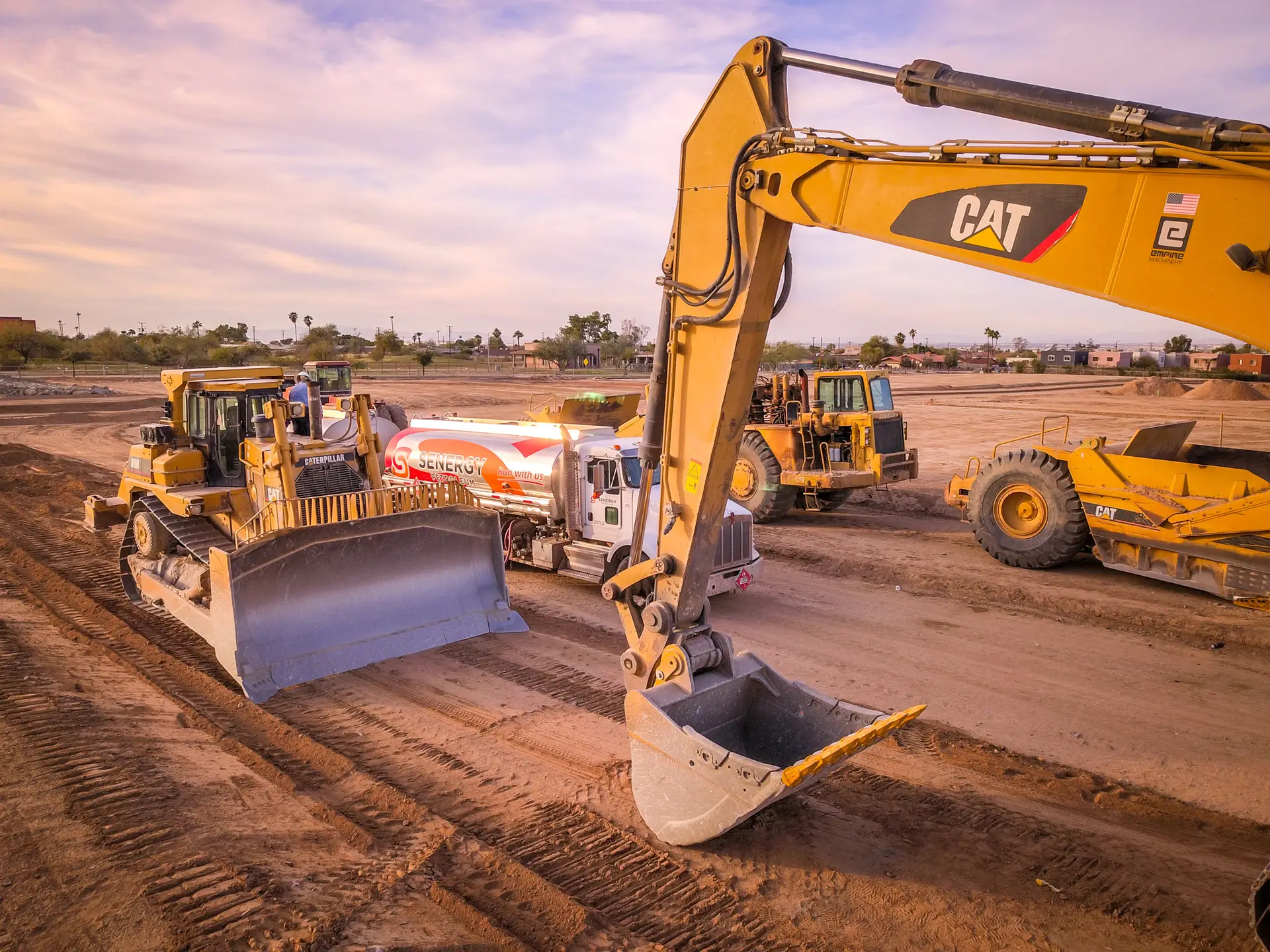
Driver behavior is a critical factor in fuel consumption. Training programs should emphasize smooth acceleration, gentle braking, minimizing unnecessary idling, and maintaining consistent speeds. Utilizing cruise control to match traffic flow and avoiding harsh maneuvers further conserves fuel. Individualized coaching, supported by telematics data, enhances training effectiveness by providing feedback tailored to each driver’s performance. Recognizing and rewarding efficient driving encourages continuous improvement. For heavy equipment operators, proper load handling, correct use of PTO (power take-off), and minimizing extended warm-up times are equally important in reducing fuel waste. By integrating fuel efficiency into performance evaluations and ongoing training, businesses reinforce the importance of fuel-conscious behavior and achieve measurable improvements over time.
Minimizing Idle Time to Cut Fuel Waste
Excessive idling ranks among the most common and costly sources of fuel waste. Many drivers idle for comfort or because they misunderstand engine requirements. Companies must establish clear anti-idling policies that define acceptable idle limits and specify conditions where idling is allowed, such as extreme weather or safety situations. Telematics systems track idle time and alert drivers when they exceed limits. Automated engine shutoff systems and alternative power sources reduce unnecessary engine operation. On job sites, placing equipment strategically to minimize repositioning and using battery-powered or electrical equipment when possible further cut idle-related fuel waste. When teams recognize the mechanical and financial impacts of idling, they follow policies more consistently, generating rapid and measurable fuel savings.
Fuel Management Practices to Maximize Efficiency
The methods used for fueling vehicles significantly impact operational efficiency. Secure fuel cards with purchase limits, PIN protection, and merchant restrictions help prevent fraudulent transactions and ensure proper fuel usage. Companies should regularly review card activity, cross-checking against telematics data to identify discrepancies. For on-site fuel storage, proper tank management—including level sensors, leak detection systems, and routine calibration—prevents loss and contamination. Proactive purchasing strategies, such as bulk contracts and centralized supplier management, reduce price volatility and create more stable cost structures. Establishing clear fueling procedures and documenting every transaction enhances accountability and highlights unusual usage patterns. These controls minimize administrative errors, prevent theft, and improve overall fuel efficiency.
Best Practices for Modern Fleets
Long-term fuel waste reduction relies on a data-driven strategy. Establish KPIs—such as cost per mile, idle time, or deviation from expected consumption—and monitor them regularly across teams, locations, and vehicles. Investigate outliers to determine whether issues are behavioral, mechanical, or operational. Pilot new methods in small groups and use A/B testing to evaluate changes in driver training, routes, or maintenance. Encourage cross-department collaboration so finance, operations, and fleet managers work from the same data. Continuous monitoring and improvement turn fuel management into a sustainable practice, resulting in measurable reductions in waste and greater operational efficiency.