Smart Fuel Strategies for Agricultural Businesses
Effective fuel management has become a critical component of modern agricultural operations. Today’s farms rely on a wide range of diesel-powered equipment—tractors, harvesters, irrigation pumps, and sprayers—and fuel represents both a major cost and a potential operational risk. A well-designed fuel management system allows operations to track consumption, forecast demand, schedule deliveries, and minimize downtime and waste.
During peak crop seasons, when equipment must perform consistently and without interruption, poor fuel oversight can slow or halt essential activities such as planting, harvesting, or spraying. With accurate monitoring and control, agricultural teams gain clear insight into how much fuel equipment uses, when it is used, and for what purpose. This visibility strengthens budgeting, maintenance planning, and resource allocation. It also helps reduce risks such as theft, contamination, or improper equipment use.
Ultimately, agricultural fuel management reframes fuel from being a reactive purchase to a strategic asset. In a highly competitive market with tight margins and rising operating costs, leveraging that asset effectively can result in measurable savings and increased resilience during demanding periods of the season.
Planning Farm Fuel Delivery to Peak Operations
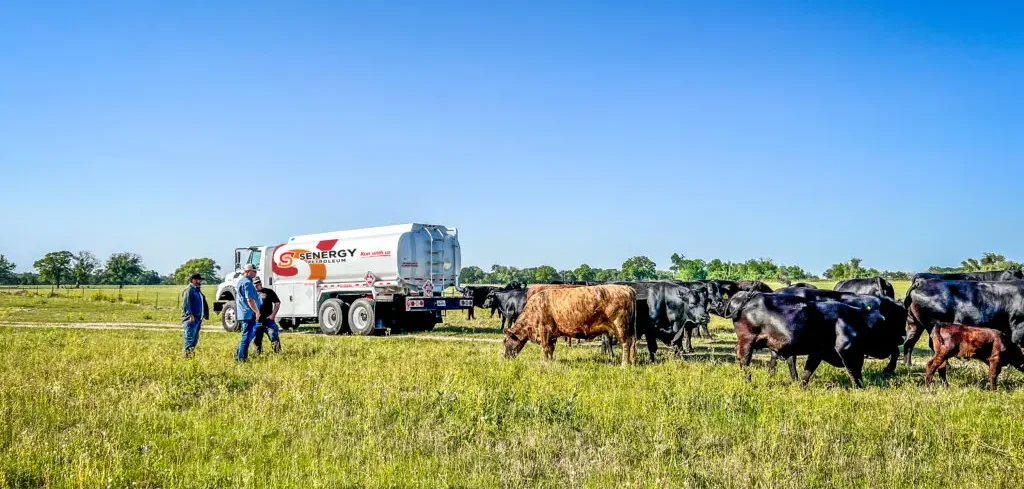
A critical component of effective agricultural fuel planning is ensuring prompt, cost-efficient delivery. Many operations purchase fuel in bulk and store it ahead of peak activity periods, but the timing of those deliveries is essential. Poor timing can lead to unnecessary holding costs, compromised fuel quality, or equipment sitting idle when it is needed most.
During peak crop seasons, machine demand increases and work windows become more constrained. Spraying must occur within specific weather conditions, and harvesting must align precisely with crop maturity. Any delay—such as an empty tank or a missed delivery—directly impacts productivity. To avoid interruptions, farms benefit from delivery schedules that align with each phase of the crop calendar: pre-planting, fertilizing and spraying, harvesting, and post-harvest. Delivery timing may also vary by region, as pricing and logistics can shift seasonally or when certain routes are less accessible.
How Seasonal Fuel Planning Strengthens Farm Operations
Seasonal fueling aligns fuel storage and use with the agricultural calendar. Early planting requires moderate fuel, while demand rises sharply during harvest. A strategic plan anticipates these shifts. Buying fuel during low-demand periods can secure better pricing and ensure availability later. Monitoring tank levels at the end of the season helps prevent excess inventory.
Seasonal adjustments also reflect changing operational needs. Irrigation systems may run more often, and certain equipment may require added fuel at key times. Using seasonal forecasts helps operations plan fuel purchases, storage needs, delivery timing, and equipment scheduling. This reduces downtime, lowers holding costs, and supports consistent budgeting.
Operations that recognize seasonal patterns and adjust fuelin
Improving Agricultural Efficiency Through Integrated Fuel Monitoring
Fuel is closely connected to the performance of the equipment it powers. As it moves through storage tanks, filters, pumps, and engines, it becomes clear that fuel management and machinery maintenance must work hand in hand. One of the most important elements of effective agricultural fuel control is integrating consumption monitoring with maintenance schedules. Equipment that is not properly maintained often uses more fuel than necessary due to leaks, inefficiencies, or improper tuning. Industry data consistently shows that optimizing equipment performance and fleet management can significantly reduce fuel waste.
By tracking the fuel usage of individual machines, operations can identify equipment that deviates from expected consumption and take proactive steps to resolve issues before they escalate. Fuel storage tanks and delivery systems also require consistent upkeep. Contamination, internal tank condensation, and clogged filters are common problems that can cause failures or equipment downtime during critical periods.v

How Telematics and Monitoring Technology Elevate Fuel Management
Modern agricultural operations increasingly rely on advanced monitoring and telematics systems that bring greater precision to fuel management. These tools track tank levels, equipment fuel consumption, idle time, delivery activity, and overall usage patterns. With this technology integrated into an agricultural fuel program, operations gain real-time visibility into fuel use throughout each stage of crop production and can quickly identify inefficiencies or irregularities.
Sensors in storage tanks provide alerts when levels drop unexpectedly—indicating a possible leak or unauthorized fuel loss—or when inventory is approaching a critical minimum ahead of a demanding season. Telematics on tractors and other equipment can monitor idle time and flag performance issues that may be increasing fuel consumption. Operations using automated GPS guidance, auto-steer, and variable-rate technology consistently see meaningful reductions in fuel usage due to more efficient equipment movement and enhanced application precision.
Why Fuel Planning Is Critical to Peak-Season Productivity
Fuel strategy and crop-season operations work hand in hand—when one falls out of sync, productivity drops. During planting, timing matters, especially within narrow spray windows. During harvest, precision and equipment uptime become essential, with machinery often running around the clock. At these peak moments, fuel delivery, storage, equipment readiness, and operator schedules must align seamlessly.
To stay on track, agricultural operations should build fuel plans around the crop season’s calendar. Teams can forecast fuel needs for each stage—planting, growing, spraying, harvesting, drying, and post-harvest—and schedule orders and deliveries in advance. Keeping storage secure, equipment fueled, and deliveries on time prevents costly downtime.
Integrating fuel planning with crop management also helps teams prioritize tasks. When fuel supplies tighten, they can focus first on high-value fields. During critical windows, having fuel ready ensures resources stay productive.
By treating fuel as a driver of efficiency rather than just an expense, operations gain stronger control and consistency throughout the crop season.
Smart Fuel Strategies for Agriculture
In modern agricultural production, timing, equipment performance, and operational efficiency all depend on a strategic approach to fuel. When delivery schedules, seasonal needs, maintenance practices, and technology work together, fuel becomes a managed asset rather than a routine expense. This approach reduces risk, strengthens productivity, and helps operations perform consistently—even when prices or supply conditions shift.