
The Link Between Fuel Quality and Equipment Lifespan
Equipment life and fuel quality go hand in hand. Businesses that rely on heavy-duty equipment, trucks, generators, or agricultural machinery often overlook this connection until costly repairs arise. Lower-quality fuel can contain water, sediments, and sulfur, all of which accelerate wear and reduce engine performance. Contaminated fuel clogs filters, damages components, and shortens engine life—driving up operating expenses. High-quality fuel, on the other hand, supports smoother combustion, cleaner operation, and fewer roadside breakdowns. For industries such as agriculture, construction, and government services, fuel quality directly impacts productivity. Treating fuel as a critical capital asset and protecting it with clean, reliable supply is one of the strongest long-term investments a company can make in equipment performance and operational reliability.
Preventing Downtime with Reliable Fuel Quality
Water contamination, for example, promotes microbial growth that clogs injectors and corrodes fuel systems. This robs engines of power and causes uneven performance, which can be damaging to sensitive components. For farming fleets and other companies, these issues quickly multiply—leading to increased downtime, higher maintenance costs, and reduced productivity. By maintaining high fuel quality standards, operators enable engines to perform as designed, delivering maximum efficiency with lower maintenance demands. Reliable fuel quality also ensures consistent performance under heavy loads and demanding conditions. When paired with proper equipment maintenance, dependable fuel supports uninterrupted operations, extended equipment life, and reduced part replacement expenses.
How Clean Fuel Extends Equipment Life and Reduces Maintenance Costs
The connection between equipment maintenance and fuel quality is stronger than many companies realize. Lower-grade fuel accelerates wear and tear, forcing more frequent and costly maintenance intervals. Contaminated fuel leads to clogged filters, fouled injectors, and deposits on pistons and valves, all of which drive premature service needs, added expenses, and reduced profitability. High-quality fuel, by contrast, promotes cleaner combustion, minimizes deposits, and reduces corrosion. This allows equipment to remain on manufacturer-recommended maintenance schedules rather than being pulled in early for avoidable issues. The result is significant savings on labor and replacement parts. For businesses in transportation and construction, investing in superior fuel preserves equipment value, reduces downtime, and ensures consistent performance across the service life of machinery.
Long-Term Equipment Maintenance With Fuel Management
Long-term equipment care goes beyond routine servicing—it starts with proactive fuel management. Monitoring fuel quality and implementing improvement measures extend engine life and help prevent costly breakdowns. Companies with large inventories must keep storage tanks clean and free of water contamination. Practices such as fuel analysis, proper storage, and treatments that prevent microbial growth are essential. Supplying equipment with clean, reliable fuel supports optimal combustion, reduces internal wear, and maximizes uptime. Combined with preventive maintenance, this approach keeps machinery in production for years rather than months. For fleet operators, farmers, and government agencies, the result is predictable performance, stable operations, and fewer costly interruptions. Simply put, investing in fuel quality is investing in the longevity of equipment—yielding lower repair bills, longer service life, and consistent reliability.
Maximizing Engine Performance with Fuel Additives
Additives are among the most important tools for enhancing fuel performance and protecting equipment. These specialized chemicals improve combustion, reduce deposit formation, and help engines operate reliably under varying conditions. Detergent additives, for example, clean injectors to ensure proper fuel delivery and maintain strong engine performance. Corrosion inhibitors protect metal components from rust, stabilizers extend fuel life during storage, and anti-gel additives keep diesel fuel in liquid form in cold temperatures to prevent starting issues. Companies that operate machinery heavily often include additives as part of routine equipment maintenance. While additives cannot upgrade low-quality fuel to premium quality, when combined with clean, reliable fuel, they significantly enhance performance, extend engine service life, and reduce the risk of unexpected breakdowns or damage caused by fuel.
Cost Impacts of Fuel Quality to Equipment Lifetime
The cost of neglecting fuel quality often goes unnoticed until major failures occur. Lower-grade fuel increases the likelihood of injector and pump replacements or even full engine overhauls—each far more expensive than investing in clean, reliable fuel from the start. Added to repair costs is downtime, a critical expense for businesses where equipment availability directly impacts revenue. For farm operations, government fleets, and service stations, every minute of downtime represents lost productivity. In contrast, regular use of high-quality fuel reduces maintenance costs, lowers overall ownership expenses, and preserves equipment value for resale or trade-in. Over the life of a machine, the financial benefits of quality fuel are clear. Cleaner, more durable fuel not only enhances engine performance but also saves money over time, providing a long-term investment that boosts profitability and ensures equipment reliability.
Best Practices for Maintaining Fuel Quality and Equipment Performance
Organizations that operate large fleets or heavy equipment should implement formal practices to ensure consistent fuel quality. Regular fuel testing identifies impurities before they cause engine damage. Storage tanks should be routinely inspected, cleaned every few months, and equipped with water separators to prevent microbial buildup. A reliable fuel supplier ensures consistent quality with every delivery. Proper training of personnel is essential so operators understand safe fuel handling and can recognize early signs of contamination. Maintaining accurate service and fuel records also provides valuable data for identifying patterns and preventing future issues. These practices maximize the benefits for industries such as agriculture, construction, and logistics, where equipment operates under demanding conditions. By prioritizing fuel quality as part of long-term equipment care, organizations can optimize engine performance, extend machinery lifespan, and reduce costly, avoidable downtime.
Partnering with Senergy for Reliable Fuel
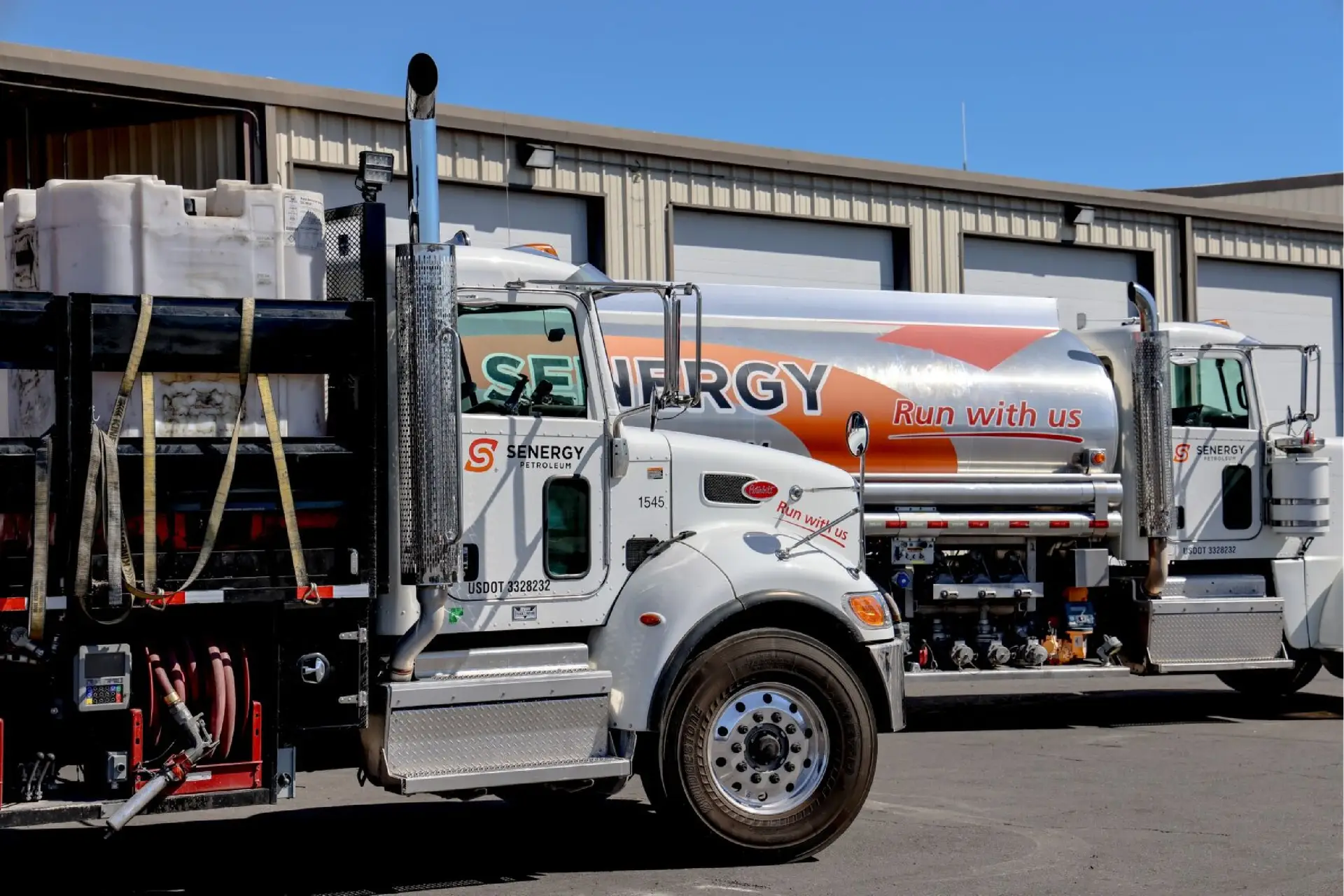
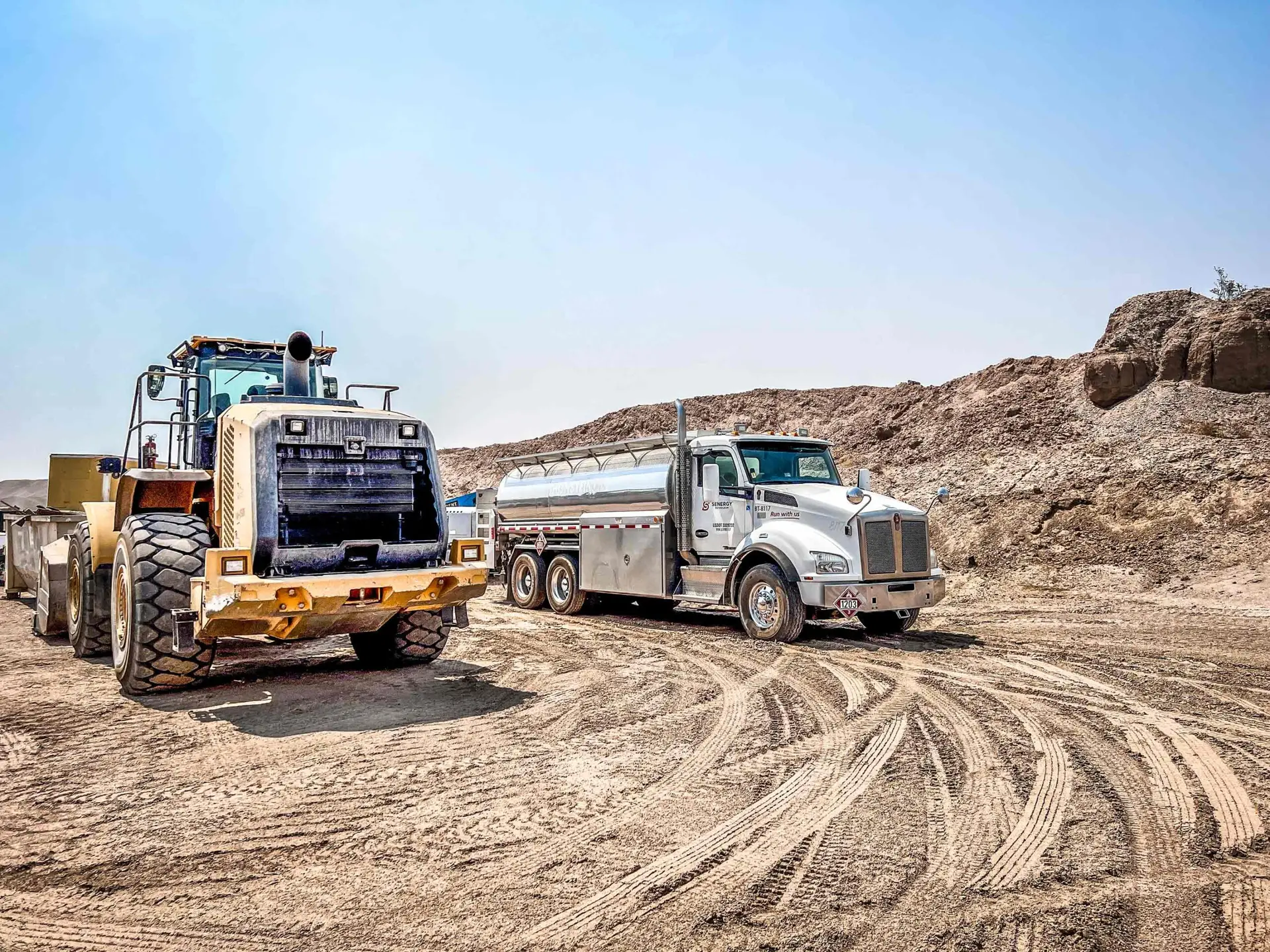
The most reliable way to maintain consistent fuel quality is by partnering with a trusted supplier. A quality supplier delivers clean, tested fuel and offers support services such as bulk delivery, fuel testing, and storage solutions—allowing operators to focus on productivity rather than fuel issues. With reliable fuel, equipment life is protected, engine performance is optimized, and long-term maintenance costs are reduced.
For companies in agriculture, construction, and transportation, choosing the right supplier turns fuel into a competitive advantage. Run With Senergy to safeguard your equipment and maximize operational efficiency.