

Red Dyed Diesel Explained: What It Is and When You Can Use It

Red dyed diesel is a specially marked fuel primarily used for qualifying off-road applications, such as agriculture, construction, power generation, and other industrial operations. It is generally the same diesel fuel used in highway vehicles but is dyed red to indicate its tax-exempt status for approved non-highway uses. In the United States, clear diesel used on public highways is generally subject to federal and state highway fuel taxes, while qualifying red dyed diesel is exempt from the federal highway diesel excise tax because it is intended for approved nontaxable uses.

The IRS and state fuel tax agencies closely regulate its use to prevent tax evasion. The red dye allows inspectors to quickly distinguish dyed diesel from taxable highway diesel during fuel inspections. Understanding the purpose of red dyed diesel helps businesses and individuals avoid unnecessary penalties. Using it in taxable highway vehicles is generally prohibited and can result in significant fines, back taxes, and other penalties. For qualifying off-road applications, however, red dyed diesel remains a cost-effective and essential fuel for many industries.

Understanding the Legal Use of Red Dyed Diesel

Red dyed diesel, often referred to as off-road diesel, is legally permitted only for qualifying nontaxable uses. These commonly include agricultural equipment, construction machinery, generators, forklifts, stationary engines, and heating systems. Depending on federal and state regulations, it may also be used in qualifying marine vessels and railroad equipment.

Because qualifying red dyed diesel is exempt from the federal highway diesel excise tax, using it in a taxable highway vehicle is generally prohibited under federal law unless a specific exemption applies. Federal and state agencies may conduct fuel inspections to verify compliance with fuel tax laws. The legality of red dyed diesel depends entirely on how and where it is used, not on the fuel itself.

For businesses operating heavy off-road equipment, red dyed diesel offers significant cost savings due to its untaxed status. However, maintaining proper fuel records and documentation is important for demonstrating compliance. Understanding the lawful uses of off-road diesel can help businesses avoid regulatory issues and unnecessary financial penalties.

Key Differences Between Red Dyed Diesel and Standard Diesel

Although chemically similar, red dyed diesel and clear diesel are intended for different uses under federal and state fuel tax laws. The primary difference is the federally required red dye that identifies the fuel as intended for qualifying off-road or other approved nontaxable uses. When both fuels meet the same quality specifications, they deliver comparable engine performance and reliability.

Clear diesel is intended for taxable highway vehicles, while red dyed diesel is used in qualifying off-road equipment. Because highway taxes are not included in its price, red dyed diesel typically costs less per gallon, providing meaningful savings for businesses that consume large volumes of fuel.

It is important to remember that using off-road diesel in a taxable highway vehicle is considered misuse under federal fuel tax laws and may result in substantial penalties. While both fuels perform similarly, their legal use and tax treatment are what set them apart.

Who Uses Red Dyed Diesel?

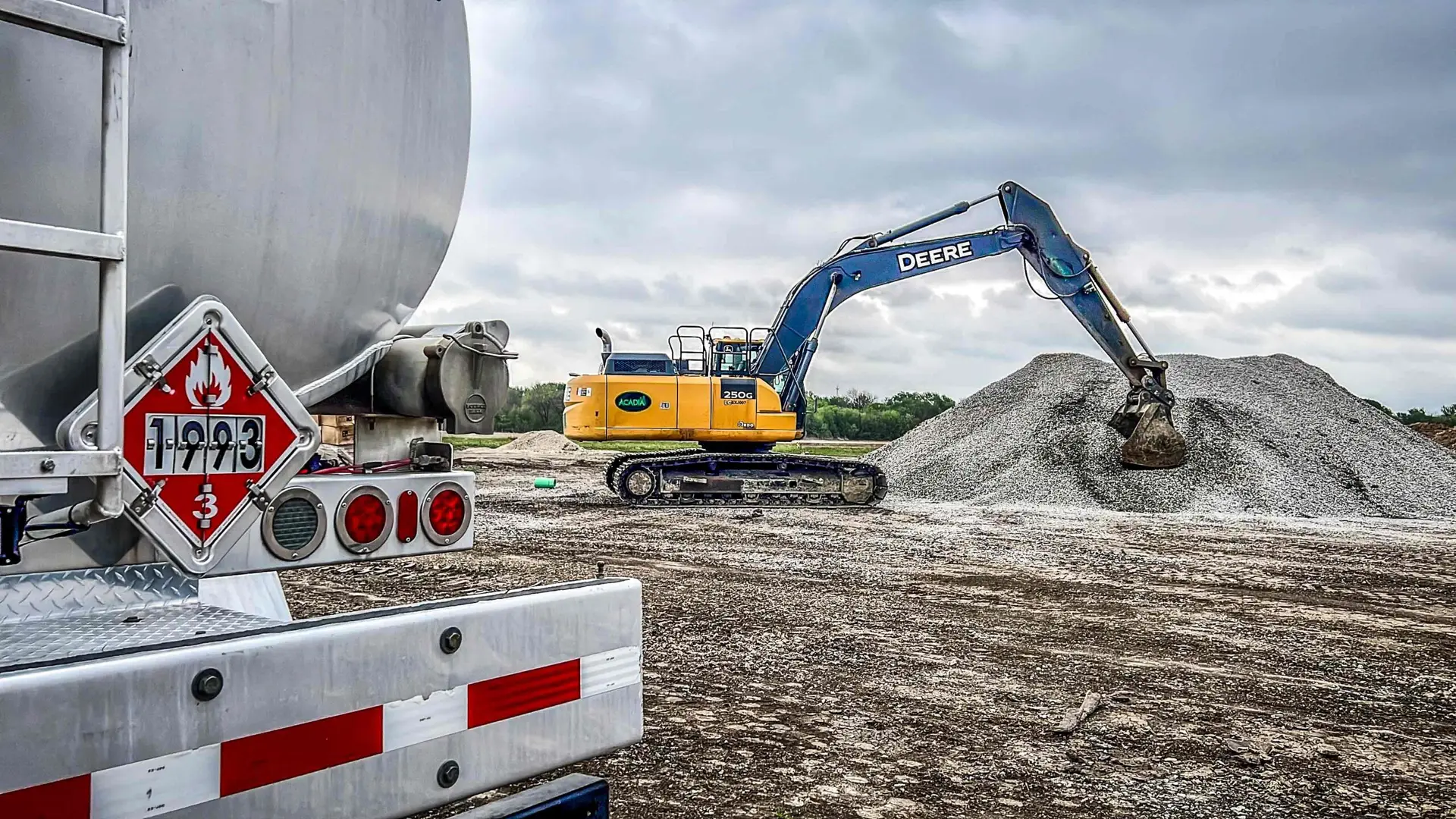
Red dyed diesel is primarily used by businesses that rely on heavy-duty equipment operating away from public highways. Farmers use it in tractors, harvesters, irrigation pumps, and other agricultural machinery. Construction companies fuel excavators, bulldozers, loaders, generators, and other jobsite equipment with dyed diesel, while mining, forestry, and industrial operations also benefit from its lower cost.

Depending on federal and state regulations, qualifying marine vessels, railroad equipment, stationary generators, and certain heating applications may also use red dyed diesel. These industries often consume large amounts of diesel fuel and benefit significantly from its tax-exempt status.

Businesses should ensure that dyed diesel is never used in taxable highway vehicles unless a specific exemption applies. Fuel suppliers and end users alike should also follow all applicable storage, delivery, and recordkeeping requirements to maintain compliance.

The Consequences of Misusing Red Dyed Diesel

Using red dyed diesel in a taxable highway vehicle is a serious violation of federal fuel tax law and can result in substantial penalties. Federal and state agencies may inspect fuel systems and test for the presence of red dye during compliance inspections.

Federal penalties generally begin at the greater of $1,000 or $10 per gallon of improperly used dyed fuel, with additional fuel taxes, interest, and state penalties potentially applying. Repeat violations may result in even greater financial consequences.

To avoid these risks, businesses should maintain strict separation between taxed and untaxed diesel. Clearly labeling storage tanks, keeping accurate fuel records, and training employees on proper fueling procedures all help reduce the chance of accidental misuse. The potential costs of noncompliance far outweigh any short-term savings from improper use.

Proper Storage and Handling of Red Dyed Diesel

Proper storage and handling of red dyed diesel are essential for maintaining fuel quality and ensuring compliance with applicable regulations. Fuel should be stored in dedicated tanks that are clearly labeled for off-road use. Storage systems should comply with applicable federal, state, and local environmental and fire safety requirements, including spill prevention measures where required.

While red dyed diesel stores well under proper conditions, regular tank inspections help prevent water contamination, microbial growth, and fuel degradation. Using quality fuel management practices and periodically inspecting storage equipment helps preserve fuel quality and protect expensive diesel equipment.

Businesses should also train employees on safe fueling procedures, spill prevention, and proper documentation. Following good storage and handling practices minimizes environmental risks, protects fuel integrity, and helps ensure compliance with fuel regulations.

Run With Senergy for Your Red Dyed Diesel Needs

Understanding the proper use of red dyed diesel is essential for staying compliant and avoiding costly penalties. This fuel offers significant savings for qualifying off-road equipment such as tractors, construction machinery, generators, and other industrial equipment, but it should never be used in taxable highway vehicles.

At Senergy, we provide high-quality red dyed diesel along with dependable fuel delivery and knowledgeable support to help keep your operation running efficiently. Whether you need scheduled deliveries or on-site fueling solutions, you can count on Senergy to provide reliable fuel and the expertise to support your off-road operations.