
7 Benefits of Fuel Tank Monitoring for Businesses
Fuel is a major operating expense for many businesses. Trucking companies, construction firms, farms, manufacturers, municipalities, and other fuel-dependent operations need a steady supply to keep vehicles and equipment running. When fuel levels are checked only occasionally, it can be difficult to know how much is available or when the next delivery will be needed.
Fuel tank monitoring gives businesses a clearer picture of their stored fuel. Sensors and connected systems can track tank levels and provide information about fuel use without requiring employees to check every tank manually. With better visibility, businesses can plan deliveries, manage inventory, identify unusual changes, and keep their operations running more smoothly.
Overview
- Improves Fuel Inventory Management and visibility.
- Helps prevent fuel shortages and unexpected downtime.
- Makes fuel delivery planning easier.
- Helps identify unusual fuel loss and usage patterns.
- Reduces the need for frequent manual tank checks.
- Provides useful data for purchasing and operational planning.
- Supports safer, more reliable fuel storage and management.
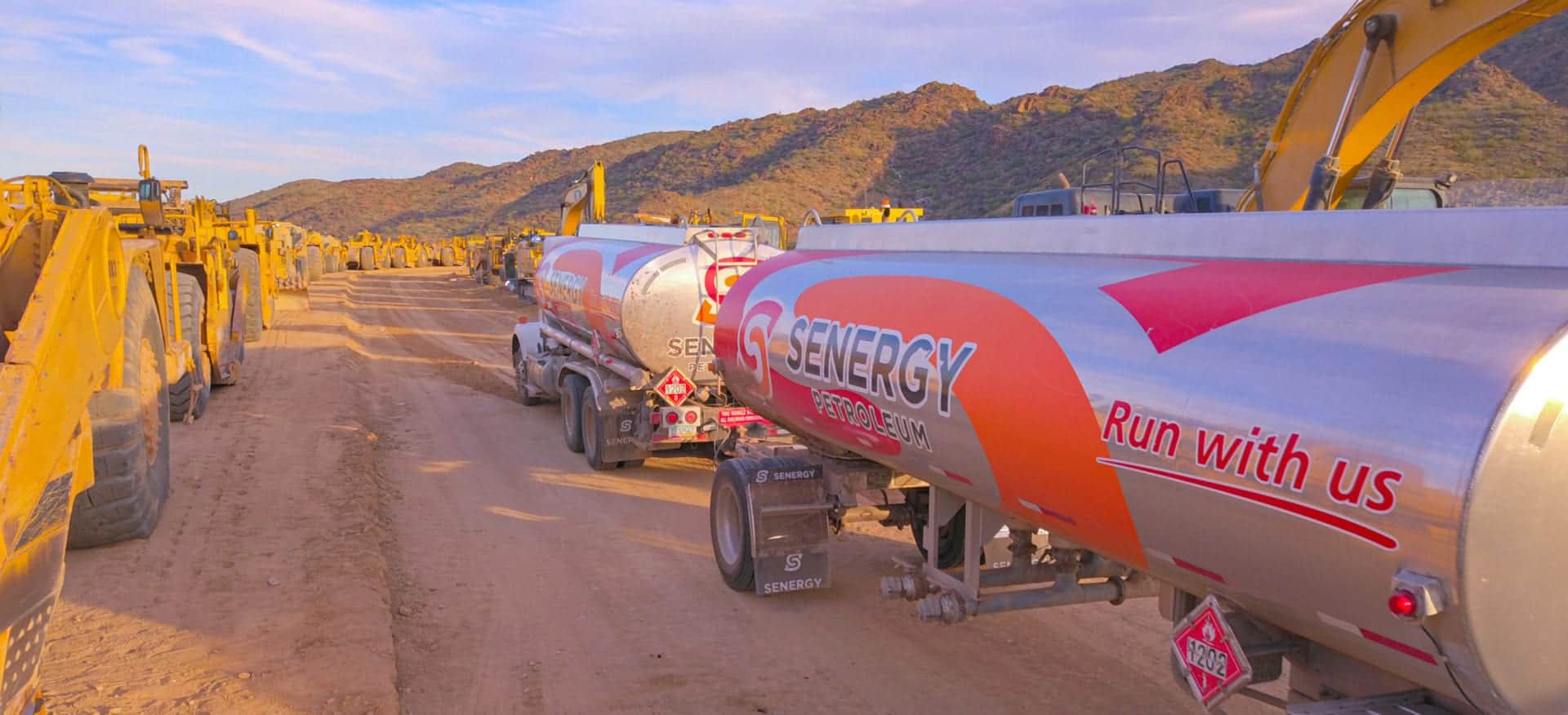

Improve Fuel Inventory Management
Effective Fuel Inventory Management starts with knowing how much fuel is available at any given time. Manual readings may provide useful information, but they only show the tank’s condition at the time of the inspection. Fuel levels can change considerably between checks, particularly in busy fleet yards, farms, construction sites, and industrial facilities.
A Tank Monitoring System provides more consistent information about available fuel. Managers can review current levels, compare them with previous usage, and make purchasing decisions based on actual conditions. This can help businesses avoid carrying unnecessary inventory while still maintaining enough fuel for their normal operations.
Better records also make it easier to compare fuel deliveries with actual consumption. If the amount delivered does not appear to match the change in inventory, managers have information they can use to investigate the difference.
Reduce the Risk of Fuel Shortages
Running out of fuel can bring equipment and vehicles to a stop. For a trucking company, this could affect scheduled routes. At a construction site, equipment may remain idle until a delivery arrives. On a farm, a shortage during a busy season can create delays at an inconvenient time.
Regular information about tank levels gives businesses more time to respond when supplies begin to fall. Low-level alerts can notify staff before a tank reaches a critical point, allowing them to arrange a delivery instead of reacting to an emergency.
This can be particularly valuable for businesses with remote tanks or locations where employees cannot easily check inventory throughout the day.
Make Fuel Deliveries Easier to Plan
Fuel deliveries do not always need to follow a fixed schedule. Consumption can change depending on weather, production levels, fleet activity, seasonal demand, and equipment use. Ordering fuel based only on a calendar can result in unnecessary deliveries at some locations and shortages at others.
Monitoring tank levels gives businesses another way to plan deliveries. Managers can review available fuel, previous consumption, and expected demand before deciding when a tank needs to be refilled. Businesses looking for professional tank monitoring solutions can also use remote information to keep track of storage levels without relying entirely on physical inspections.
For companies with multiple locations, this can make delivery planning even more useful. Instead of treating every site the same way, managers can prioritize locations according to their actual fuel requirements.
Identify Unusual Fuel Loss
Fuel consumption naturally changes from one day to another, but unexpected changes can deserve a closer look. A sudden drop in inventory, unusually high consumption, or a difference between fuel dispensed and expected usage may indicate that something needs attention.
Monitoring provides a record that businesses can use to identify these changes. Managers can compare current activity with historical patterns and investigate significant differences. This does not automatically mean that fuel has been stolen, but it can help businesses identify possible causes sooner.
For fleet operators, this type of visibility can also improve accountability. Fuel transactions can be reviewed alongside vehicle, driver, location, and usage information, giving managers a better understanding of where fuel is being consumed.
Reduce Time Spent on Manual Checks
Manually checking fuel tanks may not seem like a major task when there is only one tank. The workload becomes much greater when a business operates several tanks or locations.
Employees may need to travel to each tank, take a reading, record the result, update inventory information, and determine whether another delivery is required. Repeating this process regularly takes time that could be spent on other responsibilities.
Remote monitoring can reduce much of this routine work. Current fuel information can be viewed from a computer or mobile device, depending on the system being used. Instead of visiting every tank simply to check its level, staff can review available information remotely and focus their attention where it is actually needed.
Use Fuel Data for Better Planning
Fuel records can provide more value than simply showing how much fuel is left. Over time, businesses can identify consumption patterns and understand how different locations, vehicles, or equipment use fuel.
For example, a company may discover that one facility consistently consumes more diesel than another or that fuel demand increases during certain periods of the year. This information can support purchasing decisions, budgeting, delivery schedules, and resource planning.
Historical information can also help businesses compare expected consumption with actual usage. When there is a significant difference, managers can look into the reason rather than allowing the issue to continue unnoticed.
Support Safer and More Reliable Operations
Fuel storage requires attention to more than inventory levels. Depending on the equipment and monitoring solution, businesses may also be able to receive information about conditions such as leaks, water intrusion, overfill events, or other unusual tank activity.
Early information can give employees an opportunity to investigate a potential problem before it becomes more serious. This is particularly important for businesses storing significant quantities of fuel or operating tanks in areas that are difficult to access.
Remote monitoring can also reduce the need for employees to make repeated trips to remote or difficult-to-reach tanks just to take routine readings. That can make everyday inventory checks more convenient while giving managers better visibility into their fuel supply.
Why Fuel Tank Monitoring Matters for Businesses
Fuel management becomes more difficult as a business grows. More vehicles, equipment, tanks, employees, and locations create more opportunities for inventory discrepancies, delivery delays, and unnecessary manual work.
A reliable monitoring approach gives businesses access to useful information about fuel levels and consumption. It can help teams plan deliveries, identify unusual changes, reduce the risk of shortages, and spend less time performing routine checks.
The value of monitoring will vary from one business to another. Companies should consider factors such as fuel consumption, tank capacity, number of locations, delivery frequency, labor costs, and the potential impact of fuel shortages or unexplained losses.
For businesses that depend on stored fuel every day, having better visibility can make fuel management simpler and more predictable. Instead of relying entirely on estimates and occasional manual readings, managers can use timely information to make practical decisions and keep their operations moving.
