
5 Benefits of Bulk Fuel Delivery for Farms and Agricultural Operations
Fuel is at the heart of many farm operations. Tractors, combines, sprayers, irrigation pumps, generators, trucks, and other machinery rely on a dependable supply to keep work moving. During planting and harvest, when equipment may run for long hours, having fuel available at the right time can make a noticeable difference.
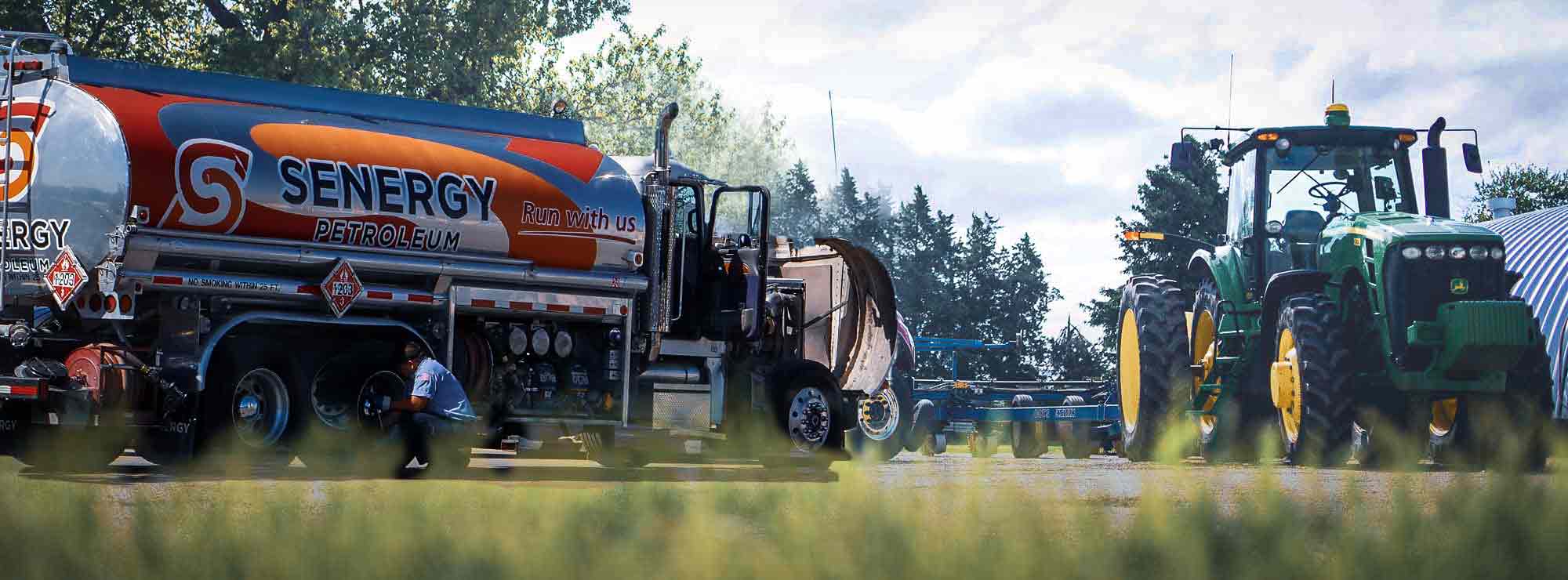
For farms that use large amounts of diesel, Bulk Fuel Delivery can simplify the way fuel is purchased, stored, and managed. Instead of making frequent trips to a retail station, farmers can keep an adequate supply on-site and plan deliveries around their actual needs. This approach can offer several practical advantages, from better cost control to fewer fuel-related interruptions.
Overview
- Larger fuel purchases may provide access to bulk or wholesale pricing.
- Keeping fuel on-site can reduce fueling-related interruptions for tractors, combines, and other equipment.
- On-site fuel reduces unnecessary travel to retail stations.
- Farm tanks and monitoring systems make it easier to track fuel usage and plan deliveries.
- Farmers can prepare fuel supplies for high-demand periods such as planting and harvest.

Better Control Over Fuel Costs
Fuel can represent a significant operating expense for farms, especially when heavy equipment is used throughout the growing season. Purchasing larger quantities may provide access to bulk or wholesale pricing, although the actual cost savings depend on the supplier, order volume, delivery fees, local fuel prices, and storage requirements.
Buying fuel in larger quantities can also make budgeting easier. Rather than purchasing small amounts whenever a tank is low, farmers can estimate their expected consumption and plan purchases around upcoming work. This gives the farm a clearer picture of how much is being spent on fuel and when those expenses are likely to occur.
The best approach is to consider the complete cost rather than focusing only on the price per gallon. Delivery charges, tank maintenance, storage capacity, and fuel usage should all be included when comparing options. For farms with substantial fuel consumption, a well-planned Agricultural Fuel purchasing arrangement can make fuel expenses easier to manage.
Helps Keep Equipment Running
Farm work often depends on timing. Planting, spraying, irrigation, and harvesting can all be affected by weather and field conditions, leaving farmers with limited opportunities to complete certain tasks. A lack of fuel at the wrong time can stop equipment from operating and disrupt the day’s work. disrupt the day’s work.
Keeping fuel on the farm allows equipment to be refueled where it is based. Tractors, combines, sprayers, generators, and farm trucks do not have to make unnecessary trips simply to reach a fuel station. This can be particularly useful for farms with large properties or fields located several miles from the nearest station.
A dependable Agricultural Fuel supply also gives farmers more control over preparation for busy periods. By checking fuel levels and arranging deliveries before supplies become critically low, operators can reduce the chances of an unexpected interruption. This is especially valuable during harvest, when equipment may operate for extended hours and delays can quickly affect the rest of the schedule.
Saves Time and Reduces Unnecessary Travel
Fueling equipment at a retail station can take more time than it first appears. Someone has to drive to the station, wait for access to the pump, refuel, and return to the farm or field. When this happens repeatedly across a season, those trips can consume a considerable amount of working time.
On-site fueling removes much of that travel. Fuel can be stored at the farm and made available close to the equipment that needs it. Workers can spend more time handling fieldwork, equipment maintenance, crop transportation, and other important responsibilities instead of making repeated fuel runs.
This benefit can be even more noticeable on larger agricultural operations. A farm may have multiple tractors, combines, trucks, and other machines working in different areas. Having a central fuel supply can make refueling more convenient and reduce unnecessary movement of equipment.
Fewer trips may also reduce mileage on service vehicles and help limit the time spent away from the field. While the exact benefit varies from farm to farm, saving small amounts of time throughout the season can contribute to better overall productivity.
Makes Fuel Inventory Easier to Manage
Fuel management is not only about having enough diesel. Farmers also need to know how much fuel they have, how quickly it is being used, and when another delivery will be needed.
An appropriate on-site storage tank gives the farm a central location for its fuel supply. With Bulk Fuel Delivery, farmers can maintain an adequate on-site inventory, track consumption, and use previous usage patterns to estimate future requirements. Some storage systems can also include tank monitoring technology that provides fuel-level information and helps operators recognize when supplies are running low.
This can be particularly useful when several types of equipment share the same fuel supply. Tractors, combines, irrigation pumps, generators, and farm trucks may all contribute to overall consumption. Monitoring usage can help identify periods of unusually high demand and make future purchasing decisions more accurate.
Proper storage is equally important. Fuel tanks should be maintained and placed in an appropriate location, with attention given to spill prevention, safe handling, equipment condition, and applicable regulations. A larger tank is not automatically a better choice; storage capacity should match the farm’s consumption and delivery schedule.
Supports Better Planning During Busy Seasons
Fuel demand is rarely the same throughout the agricultural year. Planting, tillage, spraying, irrigation, and harvesting can all increase equipment use and, consequently, fuel consumption. Planning ahead can help farmers prepare for these periods instead of reacting when supplies are already running low.
Before planting, for example, a farm can estimate the fuel needed for tractors and other powered equipment used during planting and tillage. Before harvest, it may need to account for combines, grain trucks, dryers, loaders, and other equipment. Reviewing previous fuel consumption can provide a useful starting point for estimating upcoming demand.
A planned delivery schedule can also provide greater flexibility. Farmers can arrange Bulk Fuel Delivery based on expected consumption, available storage space, and the timing of major farm activities. This reduces the need to place last-minute orders during periods when demand is high.
Seasonal planning does not mean predicting every detail months in advance. Weather, crop conditions, equipment use, and market conditions can change. The goal is simply to maintain enough fuel for expected operations while avoiding unnecessary inventory and storage costs.
Building a Practical Farm Fuel Plan
Every agricultural operation has different fuel requirements. A small family farm may have relatively modest needs, while a large grain operation, livestock farm, orchard, or agricultural contractor may consume substantial amounts of fuel throughout the year.
Before selecting a supplier or delivery arrangement, farmers should look at their average fuel consumption, equipment requirements, storage capacity, delivery frequency, location, and overall cost. It is also important to use the appropriate fuel for each application. Dyed off-road diesel is commonly used in eligible agricultural equipment and other qualifying off-road applications, while vehicles operating on public roads generally require taxed on-road diesel.
Fuel management can also include other products used around the farm, such as diesel exhaust fluid, lubricants, hydraulic fluids, grease, coolant, and fuel additives. Keeping these supplies organized can make routine equipment maintenance easier and reduce the number of separate purchasing tasks.
For farms that consume substantial amounts of fuel, a dependable Agricultural Fuel supply and well-planned storage system can simplify everyday operations. By combining sensible purchasing, adequate inventory, convenient access, and seasonal planning, farmers can reduce unnecessary fuel-related interruptions and keep their equipment ready for the work ahead.
