When Your Operation Runs on Red Dye Diesel: Building a Smarter Fuel Plan
For many American farms, construction sites, and industrial facilities, red dye diesel is an everyday necessity. Tractors, excavators, loaders, and generators depend on a steady supply of fuel to keep work moving. When fuel runs short or storage problems go unnoticed, even a well-organized operation can lose valuable time. Managing fuel properly means more than placing orders when a tank gets low. It requires a clear plan for purchasing, storage, equipment use, and cost control.
A practical fuel management strategy helps operators understand how much diesel they use, when to reorder, and where money may be going to waste. Simple records and regular inspections can make fuel spending easier to predict while helping protect equipment from avoidable problems. With a consistent approach, businesses can maintain a dependable diesel fuel supply without tying up unnecessary money in excess inventory.
Overview
- Red dye diesel is commonly used in eligible agricultural, construction, and industrial applications.
- Follow applicable federal and state fuel-use and tax regulations.
- Track fuel consumption to control costs and identify waste.
- Plan deliveries based on demand, tank capacity, and supplier lead times.
- Inspect storage tanks regularly to help detect water contamination and reduce the risk of fuel degradation.
- Maintain accurate delivery, inventory, and equipment-use records.
- Use preventive maintenance to reduce fuel-related problems and equipment downtime.
- Review your fuel management plan regularly to maintain a dependable diesel fuel supply.
Understanding Red-Dyed Diesel and Its Proper Use
Red dye diesel, often called off-road diesel, is dyed to identify fuel intended for qualifying uses under applicable tax rules. It is commonly used in agricultural machinery, construction equipment, and other applications when the specific use qualifies under applicable fuel-tax rules. The red dye itself does not indicate that the fuel is inferior to clear diesel. Fuel quality depends on the product’s specifications, handling, and storage conditions.
In the United States, dyed diesel is generally associated with qualifying nontaxable uses, but the rules depend on the equipment and how the fuel is used. Operators should review IRS Publication 510 and applicable state guidance before making decisions about fuel use on public roads. Fuel-tax rules and temporary relief can change, so operators should check current federal and state guidance before using dyed diesel in highway vehicles. Keeping purchase receipts, delivery tickets, and equipment-use records helps support accurate accounting and responsible fuel handling.
Controlling Fuel Costs Across Daily Operations
Fuel costs can rise for several reasons, including unnecessary idling, changing workloads, inefficient equipment operation, and emergency purchases. A lower price per gallon does not always mean a lower overall operating cost. Delivery fees, wasted fuel, storage losses, and equipment downtime can all affect the final bill.
Start by tracking gallons consumed and operating hours for each major machine. Divide the cost of fuel consumed by the machine’s operating hours to calculate fuel cost per machine-hour. This figure makes it easier to compare similar equipment and identify unexpected changes. Reviewing these numbers regularly also helps businesses improve fuel management, set realistic budgets, and spot possible problems before they become expensive. When consumption increases, check workload, maintenance history, and operating conditions rather than assuming fuel quality is the only cause.
Planning Purchases and Maintaining a Reliable Supply
A dependable diesel fuel supply begins with a clear understanding of daily demand. Review past consumption, upcoming projects, seasonal workloads, and supplier lead times to estimate future requirements. Establish a reorder point that leaves enough fuel to cover expected use while waiting for the next delivery. The right reserve depends on tank capacity, operating schedules, delivery access, and the cost of running out.
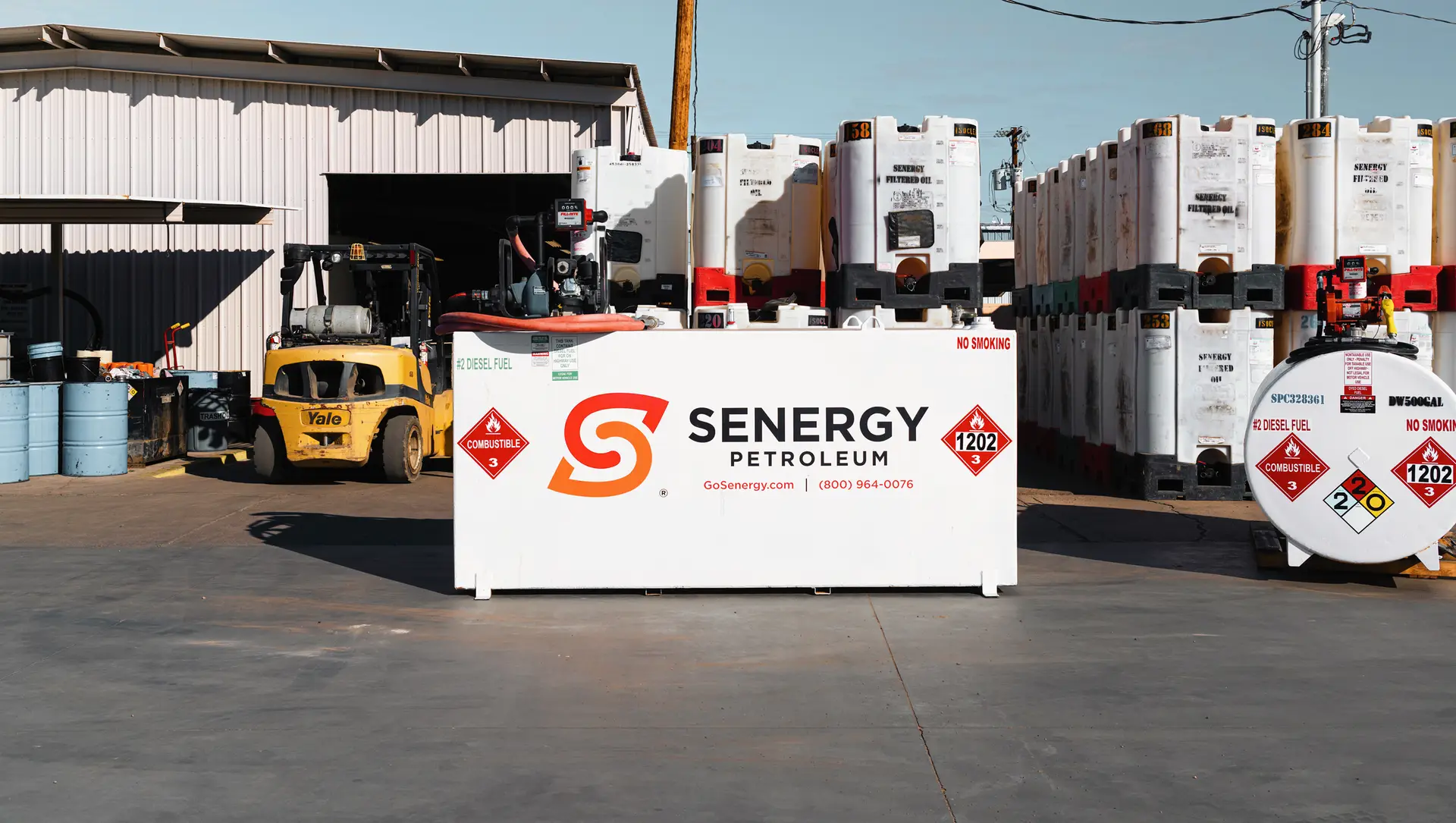
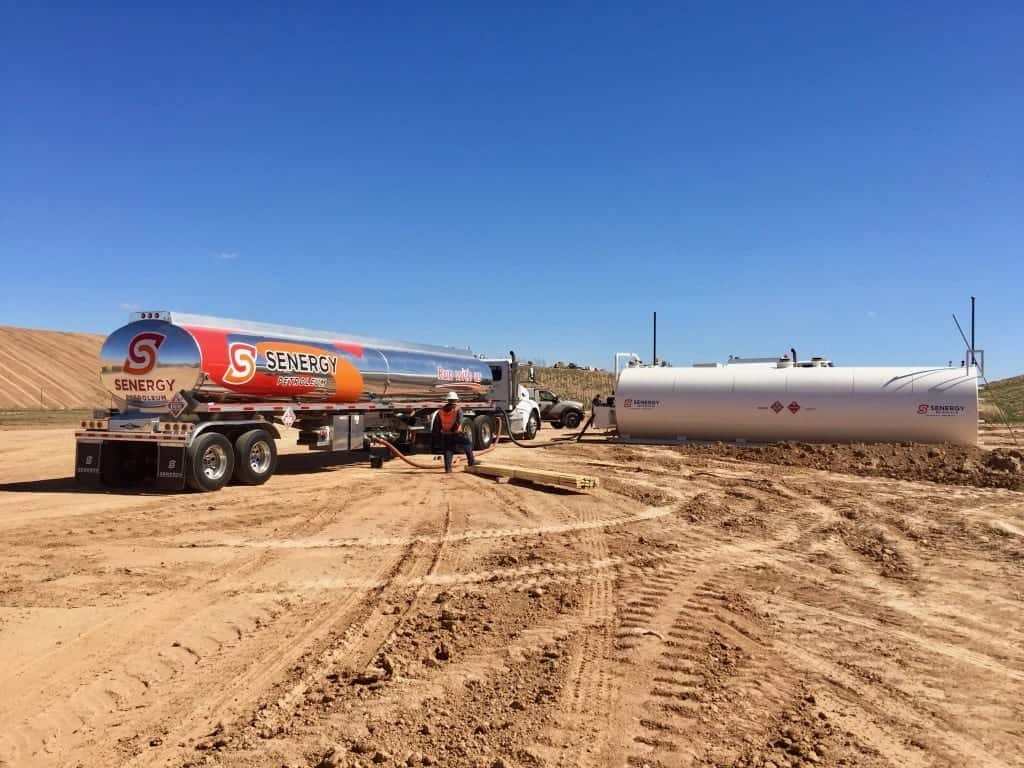
When choosing a supplier, consider more than the quoted price. Compare delivery reliability, minimum order quantities, emergency service, product specifications, and documentation. Planned bulk fuel delivery can help farms, equipment yards, and remote worksites maintain adequate inventory without repeated last-minute orders. Record every delivery, including the date, quantity received, and total cost. Comparing those records with tank measurements and dispensing logs helps identify discrepancies and supports better purchasing decisions.
Protecting Stored Diesel From Contamination
Proper storage plays an important role in maintaining red dye diesel quality. Water, sediment, rust particles, and microbial growth can create problems in storage tanks and fuel systems. Contaminated fuel may contribute to clogged filters, injector problems, poor engine performance, and unplanned maintenance. Fuel can also deteriorate during extended storage, particularly when conditions are unsuitable.
Inspect tanks regularly for leaks, corrosion, damaged fittings, and signs of water accumulation. Maintain filters and water separators according to the equipment manufacturer’s instructions. If contamination is suspected, arrange appropriate fuel testing before deciding whether the fuel can be treated or needs professional handling. Use additives only when they are suitable for the fuel and approved for the equipment. Cleaning products should also be selected for their intended application and material compatibility. A consistent inspection routine can help prevent minor storage issues from turning into costly repairs.
Using Fuel Records to Improve Equipment Reliability
Accurate records connect fuel purchases with actual equipment use. Even a simple spreadsheet can track delivery dates, gallons received, tank levels, quantities dispensed, machine identification, and operating hours. Comparing these figures helps managers recognize unusual consumption patterns, investigate inventory differences, and identify possible waste or unauthorized fuel use.
For larger operations, tank-level sensors and automated dispensing systems may make tracking easier. However, technology is only useful when the underlying information is accurate. Combine fuel records with preventive maintenance schedules so technicians can investigate changes in consumption alongside filter condition, service history, and operating demands. Fuel-related symptoms such as rough running or loss of power can have several causes, so proper diagnosis matters. A well-maintained record system supports better decisions and helps reduce avoidable downtime.
Building a Fuel Plan That Works Long Term
A practical fuel management plan does not have to start with expensive equipment or complicated software. Begin with reliable inventory measurements, regular tank inspections, clear purchasing records, and a consistent method for tracking fuel use. Review inventory weekly, compare actual spending with the budget monthly, and adjust reorder levels when workloads or delivery schedules change.
Assign clear responsibility for ordering fuel, checking deliveries, inspecting storage tanks, and reviewing discrepancies. Before busy seasons, confirm that the available inventory can support expected demand and that suppliers can meet the delivery schedule. Revisit the plan whenever equipment, operating conditions, or applicable regulations change.
Managing red dye diesel effectively comes down to a few dependable habits: purchase according to demand, protect fuel quality, track every gallon, and keep accurate records. These steps help businesses make informed purchasing decisions, maintain a reliable diesel fuel supply, and keep equipment ready for the work ahead.