How Reliable Fuel Delivery Keeps Construction Projects on Schedule
Fuel is one of the most important resources behind every successful jobsite. Heavy equipment such as excavators, bulldozers, loaders, cranes, generators, and dump trucks depend on a consistent fuel supply to complete daily tasks. Even a short interruption caused by running out of fuel can slow operations, impact productivity, and create scheduling challenges.
Reliable Construction Fuel Delivery helps businesses maintain a steady supply of diesel and other fuels needed for heavy machinery. Instead of depending on manual refueling processes, companies can create a planned fuel strategy that supports equipment availability and keeps work moving without unnecessary delays.
A dependable fuel system involves more than simply having enough gallons available. It includes fuel quality, storage conditions, delivery timing, and proper inventory management. When these areas are managed properly, businesses can reduce fuel-related interruptions and make fuel supply easier to plan around project schedules.
Overview
- Reliable fuel supply can help reduce project delays caused by fuel shortages.
- Construction Fuel Delivery supports better equipment uptime, smoother operations, and improved productivity.
- Jobsite fueling can reduce fueling-related interruptions by bringing fuel directly to where machinery is operating.
- Proper fuel quality management helps prevent injector issues, contamination problems, and unnecessary maintenance.
- Planned fuel delivery improves inventory control, scheduling, and overall project efficiency.
- Effective fuel management protects heavy machinery and supports long-term equipment reliability.

Why Fuel Supply Is Essential for Equipment Performance
Heavy machinery requires consistent energy to handle demanding workloads. Diesel engines used in excavators, loaders, and bulldozers require fuel that meets the applicable specifications for reliable operation. A shortage of fuel can immediately stop these operations and leave valuable equipment unused.
Fuel availability directly affects equipment utilization. When machines spend time waiting for refueling, operators lose productive hours that could have been used to complete scheduled tasks. These delays can create a chain reaction, affecting labor planning, project milestones, and overall efficiency.
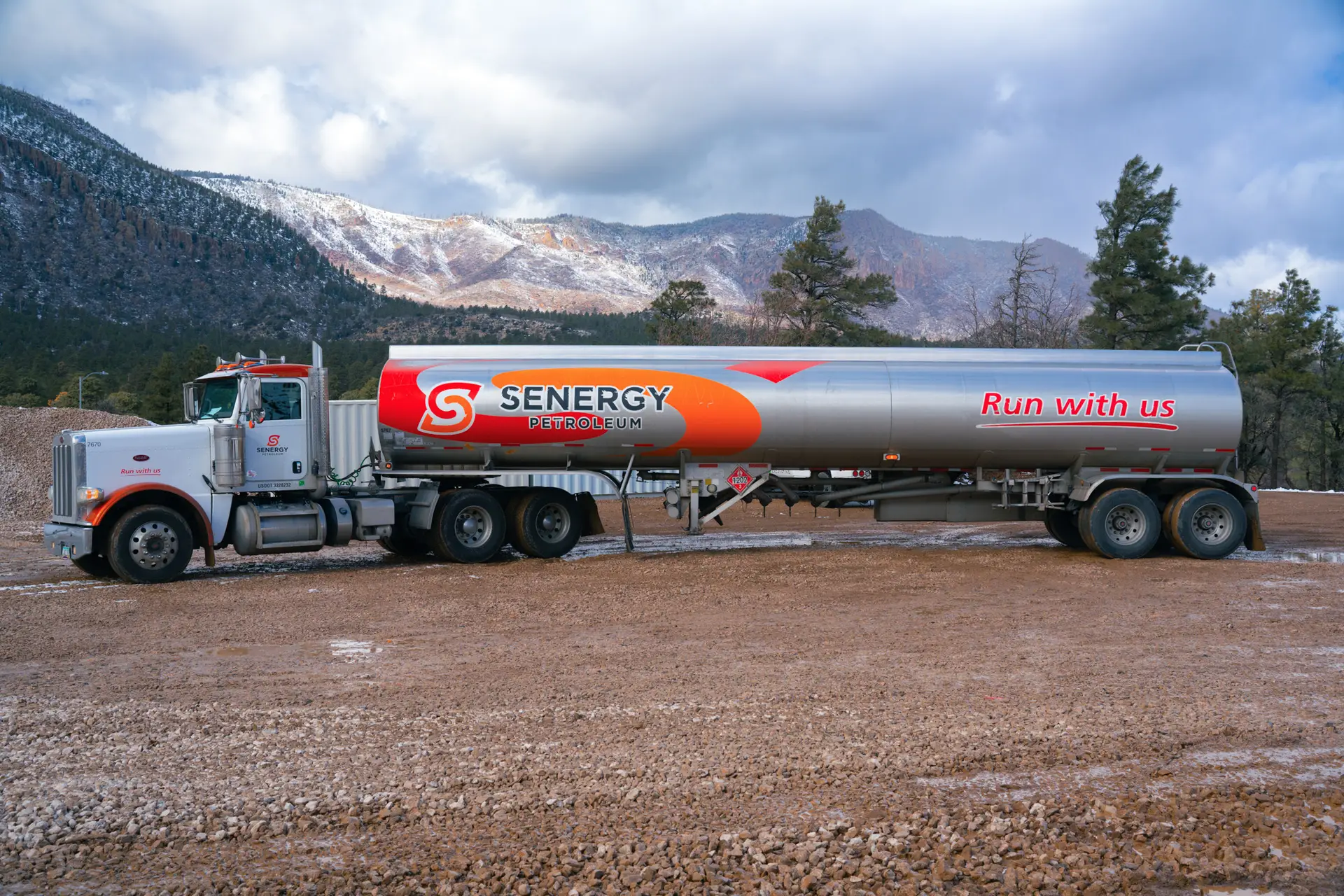
Effective Jobsite Fueling provides a practical solution by bringing fuel closer to where equipment is operating. This reduces interruptions, limits unnecessary travel for refueling, and allows operators to focus on their primary responsibilities. A consistent fuel supply helps maintain smoother daily workflows.
How Fuel Delivery Helps Prevent Equipment Downtime
Equipment downtime can be expensive, especially when multiple machines depend on each other to complete a project. While mechanical issues are common causes of downtime, fuel-related problems can also create serious interruptions. Contaminated or unsuitable fuel can contribute to clogged filters, injector problems, and poor engine performance.
Fuel contamination is one of the biggest concerns for diesel-powered equipment. Water contamination, sediment, rust particles, and other impurities can affect fuel system components. These contaminants can contribute to filter restriction, corrosion, fuel-system wear, and other performance problems.
Proper fuel storage, handling, filtration, and maintenance practices can help reduce contamination risks and protect fuel-system components.
The Impact of Fuel Quality on Machine Reliability
Fuel quality has a direct effect on engine health and operating costs. Important fuel characteristics such as cetane number, lubricity, viscosity, sulfur content, and energy density influence how efficiently fuel burns inside a diesel engine.
Fuel that meets the equipment manufacturer’s requirements and applicable specifications supports proper combustion and fuel-system operation. On the other hand, low-quality or contaminated fuel can reduce efficiency and increase maintenance needs.
Modern diesel engines also require fuel that meets emission standards. Modern diesel equipment should use fuel that meets the specifications required for its engine and emissions-control system. Proper fuel handling ensures that engines, exhaust systems, and emission-control components continue working as designed.
How Planned Fuel Delivery Supports Project Scheduling
Fuel planning is an important part of managing daily operations. Large projects often involve multiple machines operating for extended periods, which means fuel consumption can change based on workload, operating hours, and equipment demands.
Without proper planning, unexpected fuel shortages can interrupt production. A machine that stops during critical work can affect other teams, delay scheduled activities, and create workflow disruptions. These issues can increase costs and extend project completion timelines.
A planned fuel delivery approach helps companies track usage patterns and maintain proper fuel inventory levels. Fuel monitoring systems, storage tanks, and scheduled deliveries provide better visibility into consumption and future requirements. This allows managers to prepare for changing needs instead of reacting to shortages.
Benefits of On-Site Fuel Management Solutions
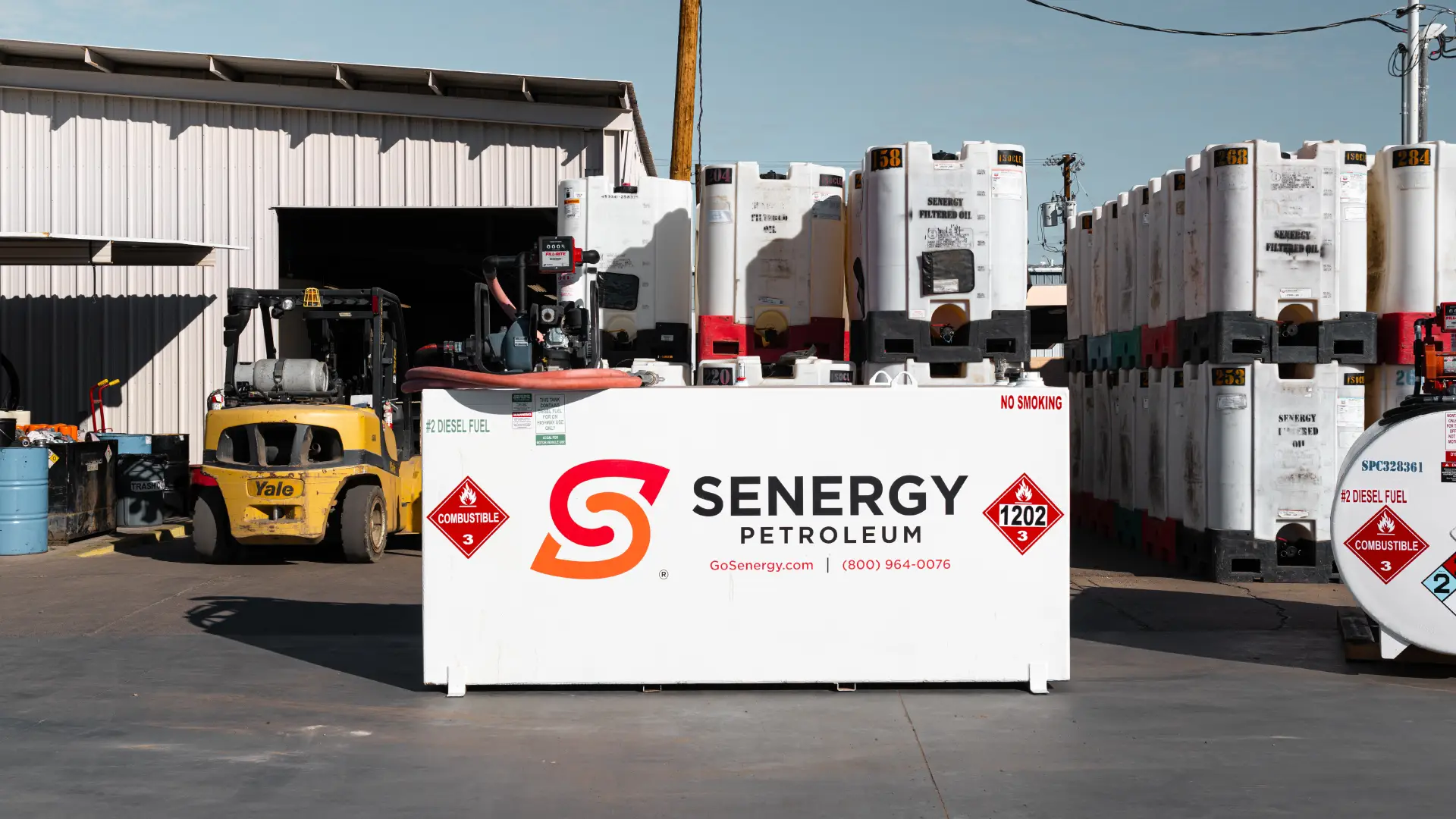
Managing fuel directly at the work location offers several operational advantages. Mobile delivery options and properly maintained storage systems allow equipment to receive fuel without unnecessary downtime. This is especially useful for remote locations where access to traditional fueling options may be limited.
On-site fuel management also improves organization. Tracking fuel usage, monitoring tank levels, and maintaining proper storage conditions help prevent waste and improve cost control. These practices support better fleet management and allow businesses to understand how fuel affects operating expenses.
Proper fuel handling and contamination control can complement preventive maintenance by helping protect filters, injectors, pumps, and other fuel-system components.
Building a More Efficient Future With Reliable Fuel Practices
Fuel management is an essential part of keeping modern projects on track. Equipment availability, productivity, and operational efficiency all depend on having the right fuel supply at the right time. A dependable approach reduces interruptions and allows teams to focus on completing their work.
Reliable Construction Fuel Delivery supports more than fuel availability. It helps maintain equipment performance, improve scheduling accuracy, and reduce the risks associated with fuel shortages. Combined with proper storage, fuel testing, and inventory management, it creates a stronger foundation for successful operations.
As equipment continues to become more advanced, fuel quality and supply planning will remain important factors in maintaining performance. Companies that prioritize reliable fuel practices can improve efficiency, protect valuable machinery, and keep projects moving forward with fewer disruptions.